


Velvet Flowers: What They Are and How to Grow or Display Them
That thick, rippled red flower you saw at a nursery might be real, even if it looked like folded velvet. It is often cockscomb celosia, a warm-weather plant with an unusual flower head. Its soft-looking folds make it easy to recognize once you know what to look for.
But “velvet flowers” can also mean fabric roses, decorative poinsettias, and other artificial blooms. If your search for “flowers velvet” brought up a mix of plants and home decorations, that is why. First, decide whether you want something to grow, put in water, dry, or reuse indoors.What to know before you buy
- Choose crested or cockscomb celosia for broad, folded, velvet-like blooms.
- Living celosia grows best in warm weather, full sun, and well-drained soil.
- Check mature height and spread before choosing plants for pots or flower beds.
- Fresh celosia needs water; dried celosia and fabric flowers should stay dry.
- Use artificial flowers outdoors only when their care instructions allow it.
What Kind of Velvet Flowers Are You Looking For?
The name alone does not tell you what a seller is offering. A close-up photograph of dried celosia can look much like a fresh flower, while a well-made fabric bloom may look natural from a distance. Read the product type before comparing colors or prices.
Use these clues to narrow it down:
- Live plant: Comes with roots, usually in a nursery pot.
- Seeds: Sold in a packet with sowing instructions.
- Fresh-cut flowers: Loose stems or bouquets intended for a vase of water.
- Dried flowers: Real harvested stems that have been dried.
- Artificial velvet flowers: Made from fabric and other manufactured materials.
If you remember a flower with thick folds resembling a rooster’s comb, start with crested celosia. If it has pointed, feathery heads, look at plumed celosia instead. These are different forms, so choosing by color alone may leave you with a plant that doesn’t look like the one you wanted.
Three Types of Real Velvet Flowers
Celosia grown for flowers comes in several familiar forms. Crested, plumed, and wheat types differ mainly in their flower-head shape. Knowing those shapes makes nursery shopping much easier.
Cockscomb Celosia: Broad, Folded Blooms
Cockscomb is the type most closely associated with a velvet texture. Its flower heads can be wide and fan-shaped or tightly folded into rounded clusters. Some resemble coral, while others look like ruffled fabric.
Look for “crested celosia,” “cockscomb,” or “Cristata Group” on the label. A cockscomb growing guide explains the soft texture and different growing uses. This is a good starting point if your main goal is that thick, folded bloom.
Plumed Celosia: Feathery Flower Heads
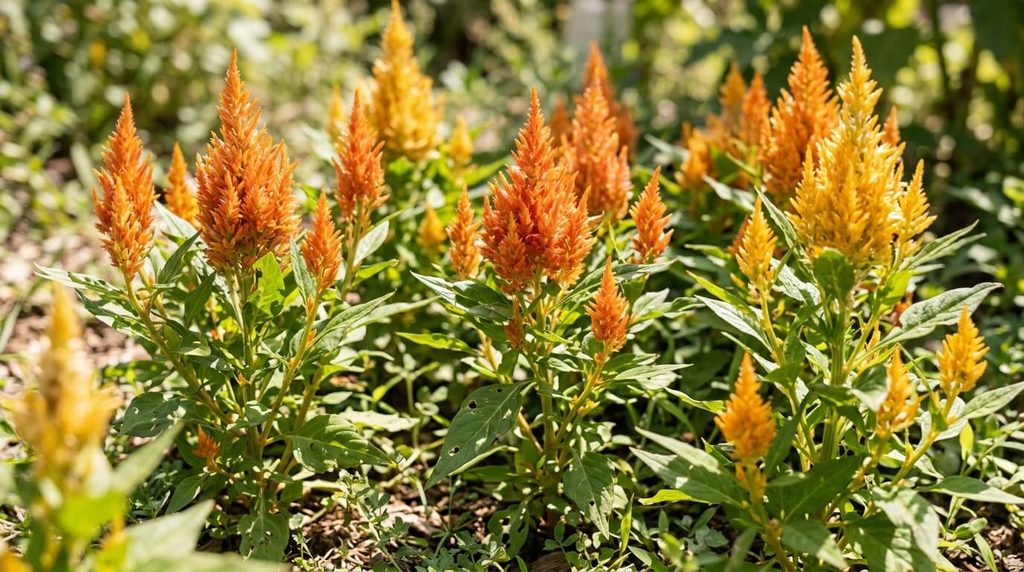
Plumed celosia has upright flower heads that taper toward the top. They look more like small flames or colorful brushes than folded velvet. Red, orange, and yellow selections can add strong color to a sunny planting.
Choose this form when you want upright shapes repeated across a bed. Compact selections can suit containers, while taller varieties need room behind shorter plants. Always check the variety’s mature size rather than assuming the whole group grows alike.
Wheat Celosia: Slim Flower Spikes
Wheat celosia carries narrow spikes above its leaves. Its open shape can soften a planting that already has many large, rounded blooms. It also works well for a lighter-looking bouquet.
Labels may use either Celosia spicata or Deeringia spicata. The naming change is explained in this wheat celosia identification guide. When comparing plants, the flower shape and variety name are useful checks.
How to Choose a Healthy Velvet Flower Plant
A plant covered in flowers is tempting, but also check its leaves and stems. Look for a sturdy plant with healthy foliage and no obvious insects or damaged areas. Avoid buying only because one large bloom looks impressive.
Check the pot and soil before taking it home. Constantly soggy soil, a sour smell, or a soft stem base are reasons to choose another plant. A badly dried-out plant may also struggle after transplanting.
Read the mature height, spread, and light requirements on the label. A tall variety grown for cutting may be awkward in a small porch pot. A compact bedding plant may look lost at the back of a deep border.
How to Grow Velvet Flowers Outdoors
Celosia is a warm-weather plant, so timing and location matter. Plant in full sun and well-drained soil. Starting with those conditions prevents many avoidable problems.
Give Plants Enough Sun
Choose a spot with at least six hours of direct sunlight a day. Check the area in the morning and afternoon, especially near buildings and trees. Bright shade can look sunny to us while still giving the plant too little direct light.
Avoid planting outdoors just because one spring afternoon feels warm. Wait until frost danger has passed and nights stay reliably warm. This celosia planting and care guide recommends nighttime temperatures consistently in the upper 50s°F before introducing plants to the garden.
Choose Soil That Drains Well
Check what happens in the bed after rain. If water collects around the planting area or the ground remains soaked, choose another spot or address the drainage first. Adding water less often won’t fix a spot that traps rainfall.
Well-prepared garden soil with enough organic matter supports healthy growth. However, don’t assume a handful of compost in a planting hole will fix a poorly drained bed. A container with open drainage holes may be a more manageable choice.
Handle the Roots Gently
Plant celosia at roughly the same depth it grew in its nursery pot. Support the root ball as you remove it, rather than pulling hard on the stem. Gently firm the surrounding soil and water after planting.
Use the spacing listed for that variety. Adequate spacing makes it easier to water at the base and inspect the leaves. It also keeps neighboring plants from pressing tightly against each other as they grow.
Growing Velvet Flowers From Seed
Seeds are useful when you want more plants or a wider color choice. They need suitable warmth and light, so a dim windowsill may produce weak seedlings. Follow the packet for the particular variety you buy.
Many celosia seed instructions recommend sowing indoors about six to eight weeks before planting out. Use seed-starting mix in individual cells or small pots, and keep the mix moist during germination. These celosia sowing instructions give a typical germination range of eight to fourteen days at 70–80°F.
Before transplanting, gradually introduce seedlings to outdoor conditions. Start in a protected spot and gradually increase exposure over several days as conditions allow. Keep checking moisture, as small cells can dry quickly outdoors.
How Often Do Velvet Flowers Need Water?
Water based on the soil and weather, not a fixed weekly schedule. A patio pot may dry quickly during hot weather, while a garden bed may remain moist after rain. Check before watering each time.
For established celosia, let the upper soil begin to dry between waterings. Newly planted seedlings need closer attention because their roots are still confined to a small area. Water at the base and let excess water drain away.
A wilted plant does not always need another drink. If the soil is already wet, check drainage and inspect the stem before adding more. Repeated watering can worsen an existing root problem.
Can Velvet Flowers Grow in Pots?
Celosia can grow in containers when the pot, variety, and growing conditions match. Compact varieties are often easier to manage in smaller spaces. Tall selections may need more room and support than you expected.
Choose a container with drainage holes and fill it with potting mix intended for containers. If you use a decorative outer pot, empty any water that collects inside it. Keep the inner pot from sitting in standing water.
Place the container where it receives enough direct sun and remains easy to reach. A beautiful display becomes difficult to maintain if watering means moving furniture every day. For ideas about arranging the surrounding space, explore these outdoor and garden guides before choosing a permanent spot.

Do Velvet Flowers Come Back Each Year?
Celosia is usually grown as an annual in most of the United States. Cold weather can end the growing season, even when the plant looked healthy shortly before frost. Plan to replace plants where winters freeze.
You may find seedlings where old flower heads dropped seed. These are new plants, rather than the original plant returning from its roots. Their color and form may also differ from the parent selection.
Save the variety name if you want to repeat the same planting. Buying fresh seed or nursery plants of that variety gives you a clearer starting point. Remove aging flowers before seeds drop if you want to limit volunteers.
Should You Pinch or Deadhead Celosia?
Pinching removes the growing tip of a young plant. It can encourage branching, which helps when you’re growing several stems for arrangements. Check the variety’s instructions before cutting, particularly if you want one large main flower.
Deadheading means removing old flower heads. It tidies the plant and can reduce unwanted seed drop. Use clean scissors and take care around nearby buds.
Neither job replaces good growing conditions. If a plant struggles in shade or wet soil, cutting off flowers won’t fix the underlying problem. Check light, moisture, and plant health first.
Common Velvet Flower Problems
Start by checking the growing conditions before buying a treatment. A plant may show similar symptoms for different reasons, so one yellow leaf is not enough to identify a disease. Look at the soil, recent weather, and the rest of the plant.
Wilting While the Soil Is Wet
Check whether the pot drains freely or the garden soil stays saturated. Inspect the base of the stem for soft or damaged areas. Don’t add more water just because the leaves hang down.
Weak Growth and Few Flowers
Check how much direct sun the plant gets. Consider whether you planted it in cool weather or if neighboring growth has crowded it. Correcting the growing conditions is more useful than adding fertilizer without checking the cause.
Spots, White Patches, or Visible Insects
Inspect both sides of the leaves and compare affected plants with healthy ones. Keep a clear photo and note when the symptoms began. If the cause remains unclear, ask a local extension office or nursery before applying a pesticide.
How to Care for Fresh-Cut Velvet Flowers
Choose fresh stems with good color and firm flower heads. Check the lower stems and foliage, not just the top. Avoid obvious mold, slime, or badly wilted leaves.
Wash the vase, remove leaves that would sit below the waterline, and recut the stems with a clean tool. Place them in water promptly, and follow the directions if you use flower food. Keep the arrangement away from strong sun and heat.
Replace dirty water and remove decaying stems as needed. Fresh cockscomb may last from several days to around two weeks, depending on its condition and care. Treat that as a possible range rather than a promise for every bunch.
How to Dry Velvet Flowers
Choose fully developed celosia blooms while they still look healthy. Damaged edges and brown patches will remain after drying. Cut before the flowers become worn and begin shedding heavily.
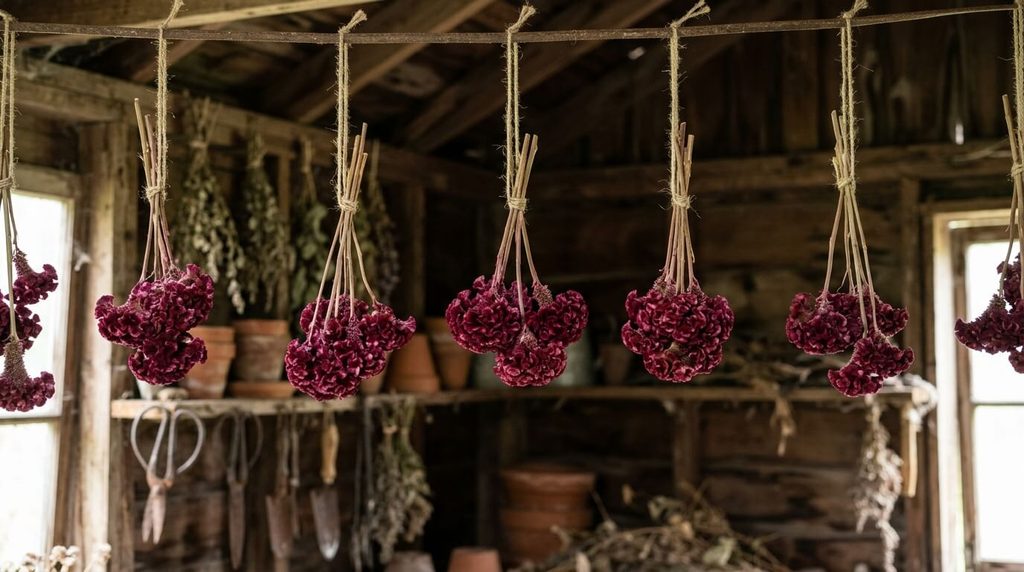
Remove the foliage and hang small bunches upside down in a dark, well-ventilated place. Leave space around the heads, especially with thick crested blooms. Make sure both stems and flower heads are dry before adding them to an arrangement.
Celosia works well in both fresh and dried arrangements, as explained in this cut-flower growing guide. Keep dried stems away from damp rooms and handle them gently. They should be displayed without water.
Choosing Artificial Velvet Flowers for Your Home
Consider artificial velvet flowers when you want a reusable display. Before buying, check the material description, flower diameter, and full stem length. A tightly cropped photograph can make a small bloom look much larger.
Look closely at the petal edges, exposed glue, and the stem finish. Also check whether the listing includes one stem, a bunch, or the vase shown in the photo. Those details matter more than a styled room photograph.
For outdoor displays, check the stated use and care instructions. Indoor fabric flowers are not automatically suitable for rain or strong sun. This artificial flower care guide explains why outdoor suitability and UV protection need to be checked.
How to Clean Fabric Velvet Flowers
Start with the manufacturer’s instructions. Fabric flowers may include coatings, glue, plastic, and wire, so washing them like ordinary cloth can cause damage. Avoid soaking or steaming unless that method is specifically allowed.
For light dust, support the flower and use a clean, soft brush. Test a hidden area before brushing the whole head. Stop if fibers, color, or surface coating begin to come away.
Store clean, dry flowers in a roomy box. Keep heavy items off the petals and separate stems that could catch on each other. A little space helps preserve their shape through the season.
Simple Velvet Flower Decorating Ideas
Let the flower’s texture do some of the work. A few large cockscomb heads can fill a small vase without needing many extra stems. Add flowers gradually so you can see when the arrangement begins to feel crowded.
Keep dining-table arrangements low enough for people to see across. Taller stems can suit a sideboard, entry table, or mantel where they will not block conversation. Test the arrangement in its final position before trimming stems.
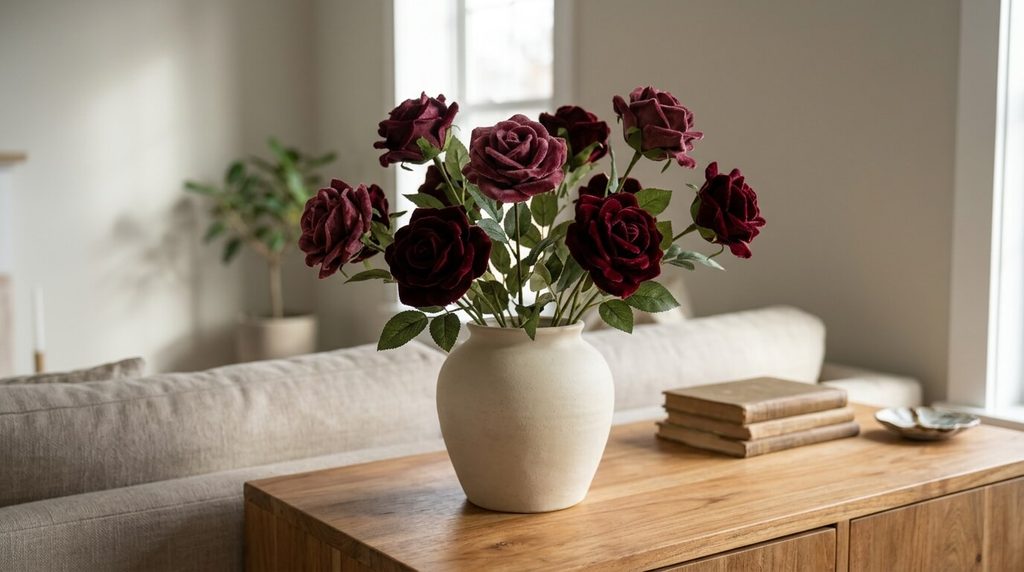
Choose colors that repeat something already in the room. Burgundy can connect with warm wood or cushions, while softer pinks can suit a light, plain shelf. Use those ideas as starting points and keep the combination that looks right in your home.
Conclusion
The phrase “flowers velvet” can describe several different things, so check the product type before choosing. For real folded blooms, start with cockscomb celosia and give it a warm, sunny spot with good drainage. For an indoor display, decide whether you prefer fresh stems, dried flowers, or reusable fabric blooms, then follow the care suited to that choice.Frequently asked questions about velvet flowers
What is the real flower that looks like velvet?
Cockscomb celosia is a common match. It has dense flower heads with folds that may resemble a fan or rooster’s comb. Look for crested celosia when shopping for that shape.
Are velvet flowers real or fake?
The name can mean either. Celosia is a living plant, while artificial velvet flowers are made from fabric and other materials. Read the product description to confirm what is being sold.
Can celosia grow indoors?
Celosia needs strong light and warmth. A dim room is unlikely to support healthy growth and flowering. For ongoing indoor decoration, cut stems, or artificial flowers may be easier to manage.
Does celosia flower again after cutting?
Branching varieties can produce additional stems when healthy growth remains. Results depend on the variety, cutting method, and how much growing season remains. Avoid cutting the entire plant down if you want further growth.
Do dried velvet flowers need water?
Dried celosia should stay out of water. Display it in a dry place and handle the flower heads gently. Fresh-cut celosia needs water, so confirm which kind you have.
Can you wash artificial velvet flowers?
Only wash them if the care instructions allow it. Water may affect dyes, coatings, or glue in some products. For routine dust, begin with a soft brush tested on a hidden area.