


Key Takeaways: Safety and Recovery Checklist After Property Damage
- Protect people and leave the property when fire, electrical, gas, flood, or structural hazards are present.
- Document damage before moving belongings or starting major cleanup, when it is safe to do so.
- Take reasonable emergency steps to prevent further damage, such as shutting off the water or covering an exposed opening.
- Keep receipts, photos, estimates, claim information, and a written timeline in one place.
- Use qualified professionals when damage involves sewage, electricity, smoke, hidden moisture, or building stability.
From wind-driven rain and sewer backups to kitchen fires, burst pipes, and vehicle impacts, property damage can turn a normal day in Seattle, Washington, into a complicated emergency. The first priority is always protecting people, then limiting additional damage without creating new hazards. When conditions require specialized support, property owners may need to coordinate with Seattle restoration companies, insurers, utilities, and licensed trades.
A calm, organized response can make the recovery process easier to manage. Document what happened, keep records of every expense and conversation, and avoid rushing into repairs that could conceal wet materials, smoke residue, contamination, or structural damage.
Why a Clear Plan Matters After Property Damage
Stress can make it difficult to decide what needs attention first. Separating the work into stages helps. Emergency actions address immediate dangers. Mitigation limits ongoing damage. Cleaning and drying address affected materials. Reconstruction restores walls, flooring, fixtures, and other finished portions of the property after the underlying conditions have been evaluated.
Seattle’s wet-weather conditions can make a small roof leak, plumbing failure, or drainage problem more serious if moisture remains trapped behind walls, beneath flooring, or above ceilings. Visible surfaces may look dry, but insulation, framing, subflooring, and cabinets may still need further assessment.
Step 1: Make Sure Everyone Is Safe
Leave immediately and call 911 when there is an active fire, serious injury, a strong gas odor, exposed electrical wiring, rising water, or signs that part of the building may be unstable. Do not re-enter after a major event until emergency personnel or other responsible authorities say it is safe.
Keep children and pets away from damaged rooms, debris, ash, and standing water. Treat floodwater as potentially contaminated, and never handle electrical equipment while wet or standing in water. Seattle’s guidance on flooding safety and response also advises residents to wait for official clearance before returning to flooded areas and to avoid electrical hazards.
Step 2: Stop Further Damage When It Is Safe
Once people are safe, take only protective actions you can complete without entering a dangerous area. The goal is to prevent the loss from worsening, not to perform a full cleanup or permanent repair.
- Shut off the main water supply if a broken pipe or appliance line is actively leaking.
- Turn off electricity only if the electrical panel and the surrounding area are dry and safely accessible.
- Move unaffected belongings away from a leak or wet area, if doing so does not create a safety risk.
- Use a tarp, temporary barrier, or board-up to reduce weather exposure through a damaged roof, window, or exterior opening.
- Avoid flooded basements, crawl spaces, attics, sagging ceilings, and rooms with damaged wiring.
Step 3: Document the Property Before Major Cleanup
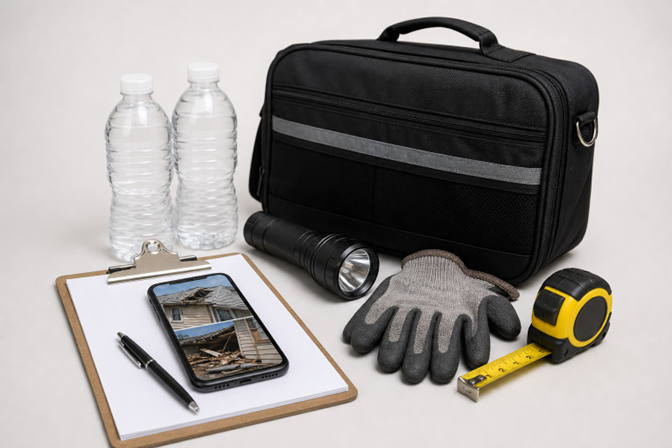
Good documentation creates a clear record of the property’s condition and may be useful when discussing the loss with an insurer, landlord, contractor, or property manager. Take wide photos of every affected room, followed by close-ups of damaged ceilings, walls, floors, appliances, furniture, electronics, and personal belongings.
Create a room-by-room list noting the date, approximate time, suspected cause, and location of the damage. Save receipts for emergency supplies, temporary lodging, meals, storage, cleaning, and protective repairs. If possible, keep damaged items until they have been documented and the insurer has given direction, unless the item poses a health or safety risk.
Step 4: Contact the Right Parties
The appropriate contacts depend on the source and severity of the loss. Homeowners and renters should notify their insurance provider promptly. Tenants should also notify the landlord or property manager. A utility provider may need to inspect a gas, water, or electrical issue, while a plumber, electrician, roofer, engineer, or other licensed professional may be needed to identify and correct the cause.
If the damage involves a burst pipe or active leak, review these emergency plumbing steps before attempting cleanup.
Questions to Ask an Insurance Representative
- What is the claim number and the applicable deductible?
- What emergency expenses or temporary repairs may be covered?
- Does the policy include temporary housing or additional living expenses?
- What photos, inventories, receipts, and estimates are needed?
- Will an adjuster inspect the property, and when?
- Are there limits on cleanup, drying, or repair work before inspection?
Step 5: Separate Mitigation From Reconstruction
Mitigation and rebuilding are related, but they are not the same service. Mitigation may include water extraction, temporary protection, debris removal, controlled demolition of unsalvageable materials, and drying. Cleaning may address soot, odors, debris, or contamination. Reconstruction follows after the property has been evaluated and the source of damage has been corrected.
Starting cosmetic repairs too soon can hide a continuing leak, moisture inside a wall cavity, damaged wiring, or contaminated materials. Ask how affected areas will be inspected and what evidence will confirm that drying, cleaning, or removal is complete before new finishes are installed.
Special Considerations for Water, Flood, and Sewer Damage
Water can affect flooring, drywall, insulation, cabinets, contents, and structural materials. Clean water from a supply line can become more difficult to manage as it spreads through materials or remains in place. Sewer backups and outdoor floodwater require extra caution because they may contain contaminants.
Do not assume household fans alone will resolve extensive water intrusion. Evaluate hidden moisture before rebuilding, especially when water has entered wall cavities, ceilings, under-floor areas, or electrical locations. If the property cannot be safely occupied, arrange appropriate temporary housing through the channels available to you.
Special Considerations After Fire and Smoke Damage
Fire losses can involve more than burned materials. Smoke residue, odors, heat damage, firefighting water, ash, and damaged electrical or HVAC equipment may all require attention. Do not operate appliances, wiring, heating equipment, or ventilation systems that may have been affected until they have been inspected as appropriate.
Washington public-health guidance for cleanup after a fire warns that ash and debris from burned structures can present hazards. Limit exposure, keep vulnerable people and pets away from affected areas, and seek professional evaluation when conditions are extensive or uncertain.
When Professional Help Is the Safer Choice
- Water has reached walls, ceilings, insulation, floors, or electrical components.
- Sewage, floodwater, or another potentially contaminated source affected the property.
- Smoke, soot, ash, or persistent odors remain after a fire.
- A storm, falling tree, or vehicle impact damaged framing, roofing, or exterior walls.
- There are sagging ceilings, shifting walls, cracks, or other signs of possible structural damage.
- Moisture remains, mold-like growth appears, or the building cannot be safely occupied.
Keep the Recovery Process Organized
Create a digital folder and a paper file for photos, receipts, estimates, permits, correspondence, inspection notes, and claim documents. Maintain a daily log of phone calls, site visits, decisions, and changes discovered during work. Before non-emergency repairs begin, request a written scope that identifies what will be cleaned, dried, repaired, or replaced, who will manage permits or inspections, and how changes will be approved.
Recovery after property damage is rarely simple, but the order of decisions matters. Protect people first, stop further damage when it is safe, document the condition, report the loss, and confirm that underlying problems are addressed before reconstruction begins. That approach gives Seattle property owners, renters, landlords, and managers a stronger path toward a safe return to normal.