


A Practical Guide to a Welcoming, Low-Maintenance Home Entryway in Southwest Florida
Key Takeaways
- Design the entryway around daily household needs, not decoration alone.
- Check drainage, walking paths, door clearance, screens, and damaged surfaces first.
- Choose materials that handle moisture, sun, sand, and frequent cleaning.
- Use screening, shade, and airflow to improve outdoor comfort.
- Add layered lighting for doors, paths, locks, and evening arrivals.
- Keep storage practical without blocking the walking area.
- Address structural or drainage problems before cosmetic upgrades.
- Choose between repair, refresh, or redesign based on the scope of the problem.
In Southwest Florida, a front entryway needs to do more than look polished. It has to withstand sandy shoes, sudden rain, strong sun, pets, deliveries, and regular visits from family and neighbors. Thoughtful front entryway screening in Southwest Florida can help create a more comfortable transition between the outdoors and the home while adding useful protection from bugs and windblown debris. The best entryways fit the way a household really lives.
A small covered space, clear walking path, durable finishes, and a place for bags or shoes can make daily arrivals easier. With those needs in mind, the goal is not to fill the area with decoration. The goal is to make the entrance welcoming, safe, and easy to maintain through every season.
Why Entryways Matter More Than They Seem
Your entryway is the first part of the home that guests see, but it is also a hardworking space. It handles wet umbrellas, packages, beach gear, groceries, and the rush of people coming home at the end of the day.
In coastal and inland Southwest Florida communities, it may also face humidity, insects, leaves, and heavy rain. Small updates often make a real difference. A better mat, a brighter porch light, a secure handrail, or a screened area can improve the entrance. You may not need a full remodel. Start with the daily problems that cause clutter, discomfort, or extra cleaning.
Assess the Space Before Making Changes
Before choosing colors or furniture, study how you use the space. If damaged mesh, loose frames, or torn panels allow pests and debris into the entry, timely screen repair in Southwest Florida may be a practical first step before adding new finishes. From there, move on to the next details that affect comfort and use.
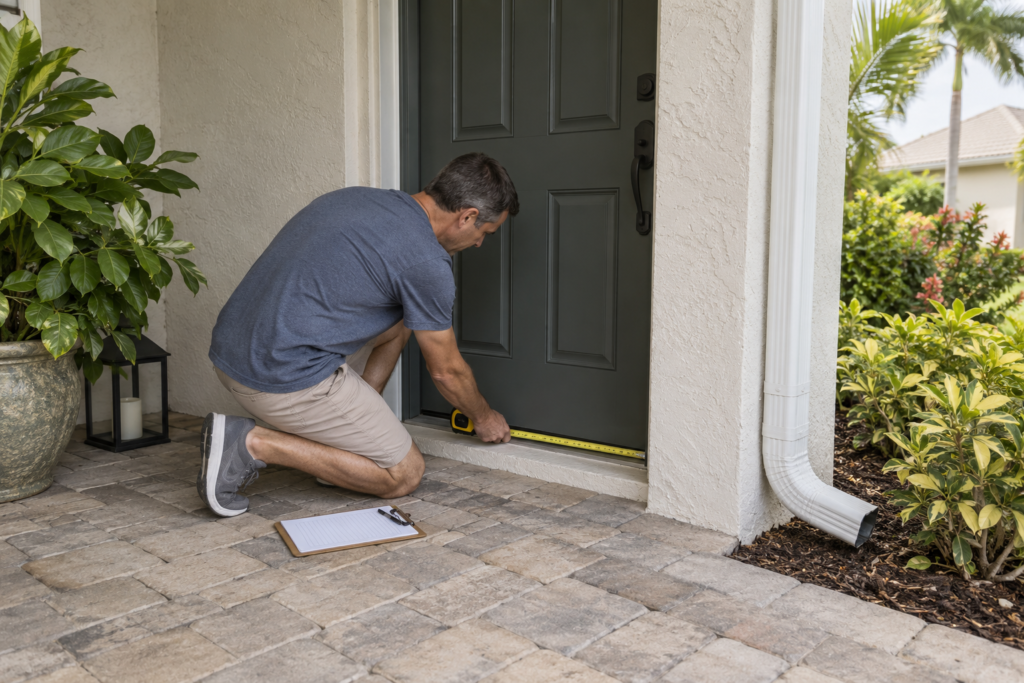
Start by measuring: Measure the width, height, and clear walking path.
- Check door swings, lock access, and where visitors naturally stand.
- Look for puddles, dirt buildup, sun exposure, and dripping roof edges.
- Inspect for loose hardware, cracked surfaces, gaps, and worn paint.
- Picture busy moments, including deliveries, rainy afternoons, and guests arriving at once.
Balance Comfort, Function, and Appearance
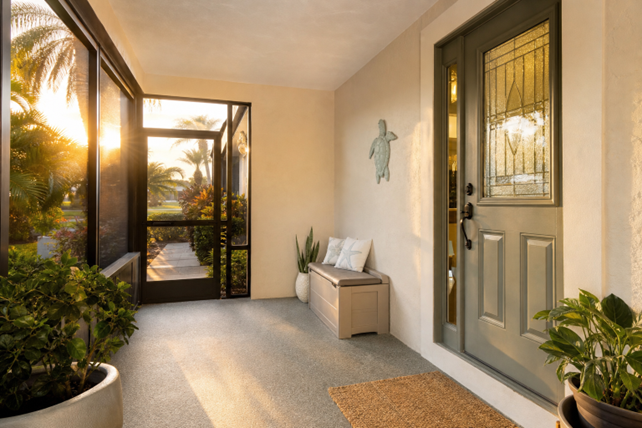
A good entryway should feel open and pleasant while still solving practical needs. Shade can reduce harsh afternoon light. Fresh airflow can make a covered entrance feel less stuffy. Screening can help keep insects out while keeping the area usable during pleasant weather. As the design takes shape, let the home’s style guide the visual choices.
A coastal cottage may suit light trim and natural textures. A newer home may look best with clean lines and simple hardware. Choose the durable option first. For example, a busy family entrance often benefits more from a washable finish than from a delicate surface that shows every scuff.
Choose Materials for Daily Use
Select materials near the front door for regular use, not just appearance. Look for finishes that can handle moisture, sunlight, and frequent cleaning.
- Durability: Choose surfaces that withstand repeated contact and changing weather conditions.
- Easy cleaning: Smooth, washable surfaces make sand and tracked-in dirt easier to remove.
- Visual consistency: Coordinate colors with the door, trim, siding, and nearby walkways.
- Repairability: Favor parts that can be fixed or replaced without rebuilding the whole area.
- Comfort: Avoid choices that make the entrance feel dark, cramped, or overly hot.
Plan for Airflow, Shade, and Lighting
Light and airflow affect how the entrance feels at any hour. Use layered lighting instead of a single harsh fixture. An overhead light can brighten the door. Wall lights can improve visibility near locks.
Pathway lights can help guide guests from the driveway or sidewalk. Motion-activated lighting can be useful when carrying groceries or arriving after dark. Aim fixtures where people walk, not directly into their eyes. For structural upgrades near doors and exterior openings, Florida homeowners should also consider home planning guidance for wind and weather protection before beginning major work.
Improve Storage and Everyday Safety
An organized entrance is easier to use and safer to move through. A narrow bench, wall hooks, or a small closed cabinet can contain daily items without blocking the path.
Organize the entrance: Use baskets or closed storage for shoes, pet supplies, and small outdoor items.
- Keep cords, loose mats, and oversized decorations away from the walking area.
- Select slip-resistant surfaces where rain or wet shoes are common.
- Use visible house numbers and adequate lighting for guests and delivery drivers.
- Consider clearances, level transitions, and handrails for people with mobility needs.
Repair, Refresh, or Redesign?
Not every problem calls for a major project. Repair is often enough for isolated damage, loose hardware, small tears, or fading caulk. A refresh works well when the layout functions, but paint, lighting, or finishes look tired. When the layout no longer fits, consider a redesign. It can help when the entrance has poor traffic flow, repeated water issues, little shade, or weak protection from the elements.
A Quick Decision Checklist
- Is the main structure sound?
- Does the current layout support normal movement?
- Are problems limited to one feature?
- Have the same repairs failed more than once?
- Would a larger update solve several problems at once?
Entryway Design Ideas
The current entryway style is moving toward warmer, more personal spaces rather than plain, bare rooms. Recent home design trends for 2026 point to richer wood finishes, layered details, and more expressive color choices. Use those ideas with restraint in a Southwest Florida entry.
Easy care still matters most in this climate. Consider warm wood tones, earthy paint colors, curved mirrors, and natural woven textures. Closed storage keeps visual clutter under control. A statement mirror can reflect light in a compact foyer. A simple plant or coastal-inspired basket can add texture without crowding the space.
A Simple Planning Process
- List the main problems. Identify clutter, heat, rain, insects, privacy, or safety concerns.
- Set a budget. Separate needed repairs from optional style upgrades.
- Measure twice. Confirm door clearance, furniture placement, and walking space.
- Fix hidden issues first. Address drainage, damaged framing, and unstable surfaces before decorating. Once you’ve handled those problems, move on to painting or accessories.
- Finish in order. Complete structural work before painting or adding accessories.
- Test the result. Walk through the area during the daytime, after dark, and after rain.
Common Entryway Mistakes to Avoid
- Choosing decoration before addressing water, drainage, or walking-path problems.
- Placing oversized furniture in a narrow entrance.
- Using materials that are difficult to clean after rain or sandy foot traffic.
- Ignoring door swing space and access to locks.
- Using only one bright fixture instead of layered lighting.
- Leaving gaps, loose hardware, or minor damage unattended.
Frequently Asked Questions
How Much Does an Entryway Update Cost?
Costs vary based on the area’s size and the condition of existing materials. The scope of repairs and local labor rates affect pricing. Simple improvements such as paint, lighting, or storage usually cost less than structural changes, new flooring, or extensive screening work.
What Is the Best Flooring for a Busy Entrance?
The best choice is durable, easy to clean, and slip-resistant when wet. Consider rain exposure, foot traffic, cleaning needs, and how the flooring works with the rest of the home.
How Can a Small Entryway Feel Bigger?
Keep the path clear. Use wall-mounted storage. Choose furniture scaled to the space. Add a mirror to reflect available light. Limit decorative objects so the area still feels open.
How Often Should an Entryway Be Inspected?
A quick seasonal check is useful. Give extra attention after heavy rain, strong winds, or periods of frequent use. Look for loose hardware, worn seals, damaged screens, standing water, and trip hazards.
Final Thoughts
A successful Southwest Florida entryway does not need to be large or expensive. It should support everyday arrivals, welcome guests, handle local weather conditions, and remain easy to care for year-round. Clear paths and stable walking surfaces make coming and going easier, while durable materials help the entrance withstand heat, humidity, rain, and regular use. In addition, useful lighting can improve visibility around steps, doors, and walkways, especially during evening arrivals. Smart storage for shoes, bags, umbrellas, or outdoor items can also help keep the area organized without making it feel crowded.
Comfortable screening, shade, and ventilation can make the entry more pleasant while still keeping it connected to the outdoors. By combining practical layout choices with materials and features suited to the home’s needs, homeowners can turn a simple front entrance into a more functional, welcoming, and manageable space.