


Key Takeaways: A Practical Guide To Safer, More Comfortable Bathtub Updates
- A bathtub update can improve comfort, cleaning, safety, and daily usability without requiring a full bathroom remodel.
- Cracks, soft flooring, persistent moisture, and difficult entry are signs that a cosmetic fix may not be enough.
- The best tub depends on the room, bathing preferences, mobility needs, maintenance expectations, and project budget.
- Safety features work best when they are planned with the layout and installation, rather than added later.
- Written estimates, careful measurements, and clear warranty terms help homeowners compare projects fairly.
A bathtub can become harder to live with long before it completely fails. Stains that will not lift, a high step-over wall, unreliable fixtures, or a worn surface can make an everyday routine less comfortable. A focused update can address the wet area without changing every part of the bathroom.
When comparing professional bathtub replacement options, homeowners can review Zintex Remodeling Group’s service page for details about replacement tubs, wall systems, fixtures, installation planning, and warranty coverage. Zintex Remodeling Group is a family-owned bathroom remodeling provider with more than 25 years of installation experience, serving multiple markets, including Dallas and Wichita Falls, Texas. Its focus on in-house demolition, plumbing, and setup makes it a useful point of comparison when evaluating an installer’s scope of work.
Why Bathtub Updates Matter
Bathrooms need to support the people who use them now, not only the people who lived in the home years ago. Homeowners often want easier cleaning, a more relaxing bathing experience, better storage around the wet area, or a setup that feels more secure for children, guests, and older relatives. In a compact bathroom, even a small change to the tub, surround, or fixture placement can affect access and comfort.
Homeowners considering changes beyond the bathing area can also explore our guide to planning a safer, more comfortable bathroom update for practical advice on layout, lighting, accessibility, and everyday usability.
Safety deserves particular attention when balance, strength, vision, or mobility has changed. The CDC reports that more than one in four adults age 65 and older falls each year, which is one reason to consider entry height, stable support, lighting, and clear walking paths before choosing a new bathtub.
Signs That A Bathtub May Need An Upgrade
Start with a careful visual and hands-on inspection. Surface wear may be obvious, but problems around the tub can matter just as much.
- Cracks, chips, peeling finishes, or stains that remain after cleaning
- A floor that feels soft, uneven, or flexible underfoot
- Failed caulk, damaged grout, or gaps around the tub and walls
- Musty odors, recurring mildew, or visible water staining
- A tall tub wall that is difficult to step over safely
- Leaking, loose, or poorly functioning faucets and shower controls
- A tub that feels too cramped, too deep, or uncomfortable for regular use
Repair, Refinish Or Replace?
The right approach depends on whether the problem is isolated, cosmetic, or connected to the structure behind the finish.
| Option | Often Fits | Key Limitation |
|---|---|---|
| Repair | Small leaks, minor chips, or a single fixture issue | Does not resolve broad wear or hidden moisture |
| Refinish | A structurally sound tub with a worn-looking surface | Does not inspect the area under the tub or behind walls |
| Replace | Damage, poor access, recurring leaks, or a dated layout | May require more demolition and plumbing work |
A new coating can improve appearance, but it cannot correct a soft subfloor, a failing drain connection, or moisture trapped behind a surround. If there are signs of movement or water damage, an installer should inspect the condition of the surrounding area before a new unit is installed.
Bathtub Styles To Consider
Types of Bathtubs to Consider

Alcove Tubs
A practical choice for a three-wall opening and common tub-and-shower layouts.

Soaking Tubs
Better suited to those seeking a deeper, more relaxing bathing experience.

Freestanding Tubs
A design-forward option that needs enough open floor space for placement and cleaning.

Corner Tubs
Worth considering where a corner layout creates usable room.

Walk-In Tubs
Designed for easier entry and may include seating or other accessibility-focused features.

Tub-and-Shower Combinations
Useful for households where some people prefer baths and others prefer showers.
Safety Features That Deserve Early Planning
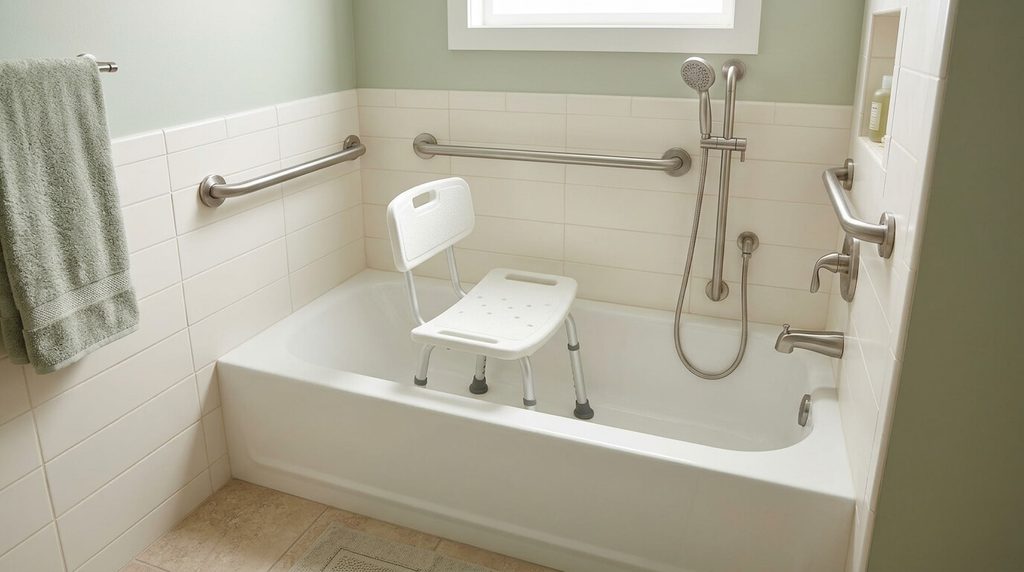
Safer bathing is not achieved by a single product. Consider how a person enters the room, moves around the tub, reaches the controls, and exits after bathing. Useful features may include slip-resistant flooring, securely anchored grab bars, a handheld showerhead, reachable controls, bright lighting, stable seating, and an unobstructed path to the bathing area.
Towel bars, curtain rods, and shower doors are not substitutes for properly installed support bars. Anyone with a history of falls, dizziness, or difficulty transferring should consider personalized guidance from a qualified health professional or occupational therapist.
Water Temperature, Materials And Maintenance
Test water before stepping in, especially when children or older adults use the bathroom. Very hot water and heavy steam can create discomfort or dizziness, while poor ventilation can leave surfaces damp longer. A working exhaust fan and routine cleaning can help manage moisture after bathing.
Acrylic tubs are lightweight, smooth, and generally easy to clean. Fiberglass can be a budget-friendly choice but may need more careful treatment over time. Porcelain enamel has a classic appearance, though chips should be addressed promptly. Solid-surface options can offer a substantial feel and a variety of design choices. Whatever the material, use non-abrasive cleaners, avoid harsh scouring tools, dry surfaces when practical, and replace failed caulk early.
How To Build A Realistic Bathtub Budget
The tub itself is only one part of the project. A complete estimate may include removal and disposal, plumbing adjustments, wall panels or waterproofing, fixtures, subfloor repairs, permits where required, labor, cleanup, and warranty coverage. Ask for written estimates that explain the materials, schedule, payment terms, and how hidden damage will be handled.
What To Ask A Bathtub Installer
- Who will measure the room and confirm that the selected tub will fit?
- Who handles demolition, plumbing, installation, disposal, and cleanup?
- How will the walls, floor, and seams be protected from moisture?
- What happens if rot, mold, or subfloor damage is discovered?
- Are required licenses, insurance, and permits addressed?
- What do the product and workmanship warranties cover?
- What is the expected schedule, including any inspections or cure time?
A Simple Bathtub Update Planning Process
Final Thoughts
The best bathtub update solves a clear daily problem while fitting the room, budget, and household routine. Careful inspection, practical safety planning, detailed estimates, and a qualified installer can help turn a worn bathing area into a more comfortable and dependable part of the home.
Common Questions About Bathtub Updates
Does A Bathtub Update Require A Full Bathroom Remodel?
No. Many projects focus on the tub, wet-area walls, plumbing fixtures, and nearby finishes. The necessary scope depends on the condition of the existing bathroom and the homeowner’s goals.
How Long Does A Bathtub Project Take?
Timing varies based on demolition, plumbing changes, wall repairs, product availability, and inspections. A contractor should provide a project-specific schedule after measuring the space.
Is a Bathtub Liner the Same as a Full Replacement?
No. A liner covers an existing surface, while a full replacement removes the old tub and can allow inspection of the area beneath it. Each approach has different costs and long-term considerations.
What Is The Safest Bathtub For Older Adults?
There is no universal answer. Entry height, balance, transfer ability, seating needs, support-bar placement, and the individual’s health needs should guide the decision.