


Key Takeaways: Home Pest Prevention Plan
- Small gaps around doors, windows, vents, utility lines, and foundations can create routes into a home.
- Food, moisture, warmth, and undisturbed storage areas can make a property more attractive to pests.
- Regular inspections and basic maintenance can identify vulnerabilities before they become larger issues.
- Sealing openings works best when it is combined with sanitation, moisture control, and outdoor cleanup.
- Persistent activity, inaccessible nesting areas, and potentially unsafe cleanup situations may require professional support.
A pest-resistant home usually results from consistent attention to ordinary maintenance details. A loose door sweep, a torn screen, or an opening around a pipe may appear minor, but those small weaknesses can give insects and rodents a way inside. Homeowners who need help assessing a recurring issue can see their services while building a prevention plan for their property.
Prevention is not limited to treatments or traps. It begins with making the home less accessible and less comfortable for pests to stay. By inspecting the exterior, managing food and water sources, and responding to early signs of activity, homeowners can reduce the conditions that support an infestation.
Why Small Openings Deserve Attention
A home may have dozens of potential entry points, especially where different building materials meet. Door frames, window trim, siding joints, vents, foundation cracks, and utility penetrations all deserve attention. A gap that seems too small to matter can still be large enough for a pest to use, particularly when it is close to food, water, warmth, or a quiet storage area.
The goal is not to make a house perfectly airtight. It is to identify openings that should be sealed, screened, repaired, or monitored. A clean kitchen is helpful, but cleanliness alone may not stop pests if there is an easy route into a wall void, attic, garage, or crawl space.
How Pests Choose a Home
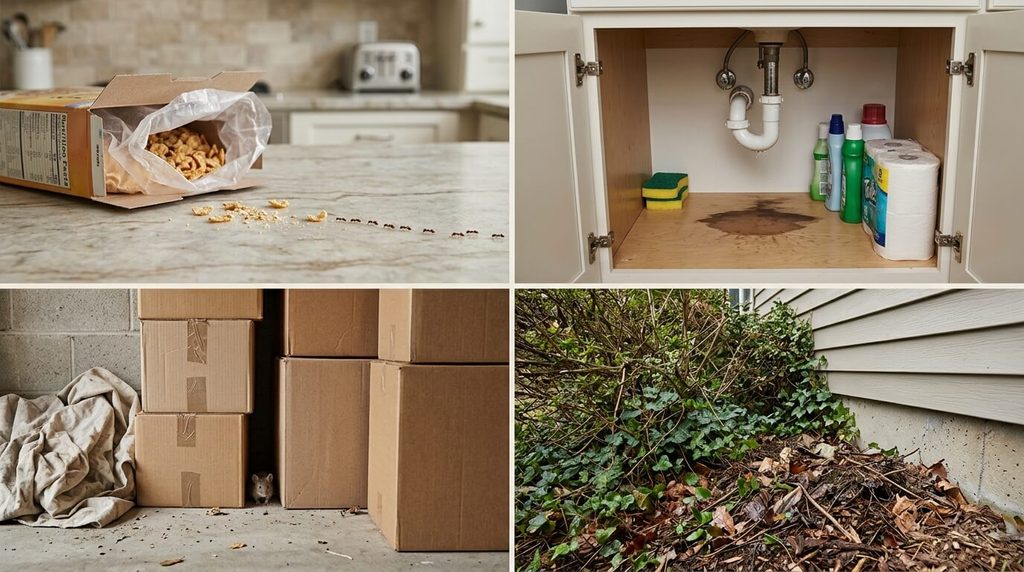
Many common household pests are looking for the same basic needs: food, water, shelter, and low-disturbance areas. A few crumbs beneath an appliance, a leaking pipe beneath a sink, or stacks of stored boxes in a garage can support activity when an entry point is available.
Food
Unsealed dry goods, pet food, garbage, grease, and food residue can attract pests.
Water
Leaks, condensation, clogged gutters, plant trays, and standing water provide moisture.
Shelter
Wall voids, attics, crawl spaces, clutter, and dense vegetation offer cover.
Quiet space
Rarely used or inspected areas can allow activity to continue unnoticed.
For example, ants may follow moisture near plumbing, while mice may use stored materials as nesting cover. Removing these conditions helps, but it is most effective when the structure is also checked for access points.
The Five Areas Most Homeowners Miss
1. Doors and Garage Openings
Inspect exterior doors for worn weather stripping, damaged thresholds, and missing door sweeps. Look for daylight around the edges when the door is closed. Garage doors may also leave gaps along the bottom or sides, especially if the seal is brittle, uneven, or damaged.
2. Windows and Screens
Check window screens for tears, loose corners, and damaged frames. Examine the exterior trim and caulking around windows, particularly where old sealant has cracked or pulled away.
3. Utility Openings
Inspect locations where plumbing, electrical wiring, gas lines, cable lines, and HVAC components enter the home. The CDC notes that mice can fit through a hole the width of a pencil, so even small gaps around pipes and conduits deserve a closer look.
4. Rooflines and Vents
From ground level, scan the eaves, soffits, siding, attic vents, and roofline for loose materials or visible openings. Damaged vent covers and unscreened openings can provide access to upper areas of the home. Avoid climbing onto a roof or entering an unsafe attic without suitable equipment and experience.
5. Foundations and Crawl Spaces
Walk the perimeter and look for cracks, gaps near the soil, deteriorated materials, and openings around crawl-space access points. Pay special attention where the foundation meets siding, steps, patios, or utility lines.
A Simple Exterior Inspection Routine
A practical inspection does not need to take all day. Set aside time during daylight and follow a consistent path around the property:
1 Walk slowly around the entire exterior and look for visible damage or gaps.
2 Stand back to scan the roofline, siding, vents, garage, and vegetation.
3 Move closer to examine doors, windows, foundation joints, pipes, and cable entries.
4 Use a flashlight in garages, basements, crawl-space entrances, and other dark areas.
5 Write down each issue and prioritize repairs based on the opening’s size, location, and accessibility.
How to Seal Gaps the Right Way
Match the repair material to the opening and its location. Caulk can work for narrow cracks and gaps around stationary trim. Replacement weather stripping or a new door sweep may be appropriate for doors. Larger openings may require more durable materials, such as metal mesh, hardware cloth, cement, or other materials designed for exterior repair.
Do not close an opening without considering whether an animal could already be inside. Check for fresh droppings, gnaw marks, nesting material, scratching sounds, odors, or repeated sightings. Blocking the only route out can create a more complicated problem inside walls, ceilings, or attics.
Remove the Conditions That Keep Pests Around
Exclusion is strongest when paired with daily habits that reduce food, water, and shelter. The prevention-first approach known as integrated pest management emphasizes correcting the conditions that allow pest problems to develop rather than relying only on routine chemical use.
• Store dry foods and pet food in containers with secure lids.
• Clean spills and crumbs promptly, including beneath appliances when practical.
• Repair leaking faucets, pipes, hoses, and outdoor spigots.
• Keep indoor and outdoor trash containers closed and regularly cleaned.
• Remove standing water from buckets, trays, gutters, and outdoor containers.
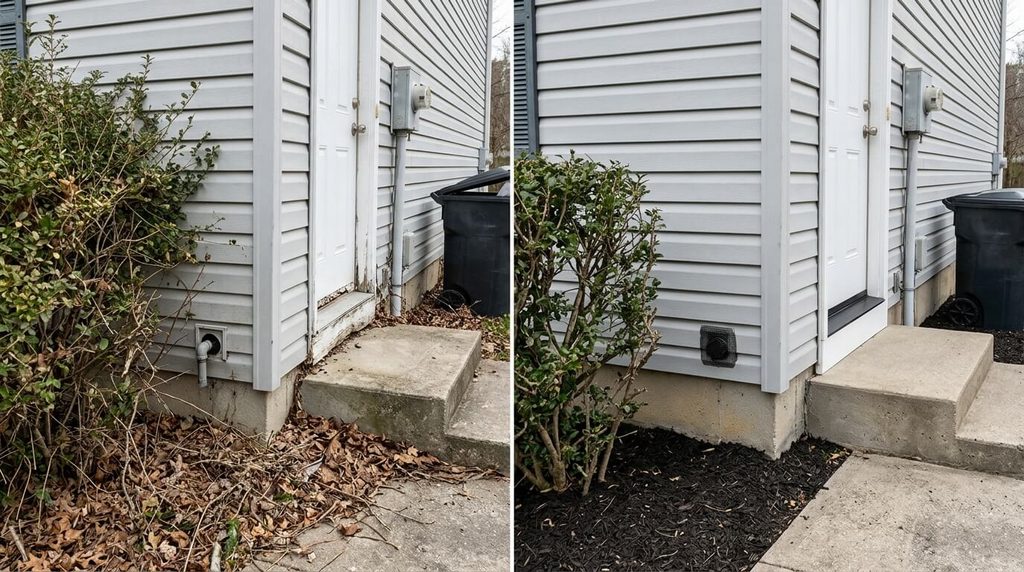
• Trim plants that touch siding, windows, or rooflines.
• Move firewood, leaf piles, and unnecessary clutter away from the structure.
Signs That a Pest Problem May Be Active
A single insect sighting does not always indicate an established issue, but repeated signs deserve attention. Watch for fresh droppings, damaged food packaging, gnaw marks, shed insect skins, unusual odors, greasy rub marks, or noises from walls and ceilings. The place where a sign appears is not always the nest or entry point, so expand the inspection beyond the immediate area.
When Do-It-Yourself Steps May Not Be Enough
Professional help may be appropriate when activity continues after sanitation and exclusion work, pests appear in multiple rooms, or suspected access points are unsafe or difficult to reach. Extra care is also warranted for rodents inside inaccessible spaces, stinging insects near people or pets, and cleanup involving droppings, nests, or dead animals. A qualified technician can help identify the pest, locate likely access routes, and recommend a response suited to the property.
A 30-Minute Monthly Prevention Checklist
1 Check exterior doors, garage seals, and window screens.
2 Inspect gaps around vents, pipes, wiring, and utility lines.
3 Look through the garage, attic, basement, and crawl-space access area.
4 Check for moisture, crumbs, droppings, and damaged packaging.
5 Clear outdoor clutter and trim vegetation near the home.
6 Record repairs that need to be completed before the next inspection.
A monthly routine is a useful starting point, but pest activity can also change with the seasons. Following a seasonal pest-prevention calendar can help homeowners prepare for different pest risks throughout the year.
Conclusion
A pest-resistant home does not require constant worry. It requires regular attention to the small details that pests use to gain access and settle in. Sealed openings, dry spaces, secure food storage, and a monthly inspection routine can help homeowners spot issues early, before a small gap becomes a larger repair or pest problem.