


Essential Upgrades for a Functional and Durable Garage Space
For too long, the garage has been the unsung hero of our homes. Often seen as just a place for parking cars or storing overflow, it’s frequently underutilized and overlooked. But in 2026, we understand that this space holds immense potential. It can be a functional extension of our living areas, a powerful asset for property value, and a key contributor to our home’s overall efficiency.
Upgrading your garage does more than clean it up. It makes the space tougher, boosts your home’s look, and gives you back useful room. Smart upgrades make a big difference, whether you want better daily use, more storage, or even a brand-new living area.
This guide covers easy ways to upgrade your garage. We look at the best improvements for your money, like tough floors and smart storage. We also share tips on safety, rules, and how to plan a space that looks good and works hard.
A new garage door is a great upgrade that people often forget. A modern, insulated door makes your home look better, keeps it safer, and saves energy. If you are looking at new residential and commercial garage doors, today’s choices offer great style and features.
High-Impact Garage Space Upgrades for Maximum ROI
When upgrading your garage, focus on changes that give you the best return on your money. These updates include better curb appeal, improved energy savings, smart storage, and modern safety features. The goal is to make the space more useful for you and more appealing to future buyers. Home appraisers always value garages that are clean, safe, and easy to use.
Upgrading Exterior Overhead Doors and Entry Points
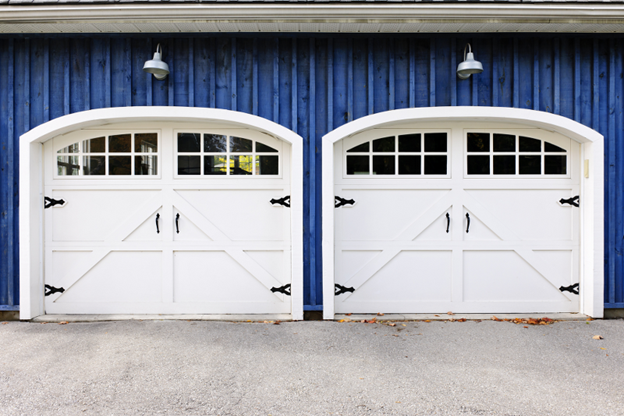
The garage door is a major part of your home’s outside look. Getting a new one helps in many ways. Insulated doors save energy by stopping heat, which is great for Florida weather. Choose doors with a high R-value for the best insulation. Weather sealing around the frame is also key to keeping out water, bugs, and drafts.
Today’s garage doors have smart openers you can control with your phone. If you live where bad weather happens, choose a door with a high wind rating for safety. Swapping an old manual door for a new automatic one is a great way to boost your home’s value. The right garage door can also make your house look much better from the street. To learn more about new styles, insulation, and smart features, check out residential and commercial garage doors.
Before replacing an older door, check the signs of garage door replacement to decide whether repair or replacement makes more sense.
Electrical, Lighting, and Smart Automation Systems
Inside your garage, you can upgrade your power, lights, and smart technology. Good lighting is key for safety and ease of use. Old light bulbs are often too dim, so switch to LEDs to get brighter, energy-saving light. Experts suggest about 4,000 lumens for each car space. You can get this with two 48-inch LED shop lights that use about 40 watts each. Adding motion-sensor lights makes things safer and more convenient because the lights only turn on when you need them.
Electrical upgrades matter just as much. Older garages often do not have enough outlets for tools or charging devices. Adding at least two GFCI outlets on every wall, plus special circuits for heavy tools like air compressors, improves safety and usefulness. Smart tech is also becoming popular, including app-controlled doors, smart lights, and thermostats. This smart garage trend is set to grow by 20% in 2025, bringing more convenience, security, and energy savings.
Floor Coatings and Surface Protection Solutions
Your garage floor takes a lot of abuse from hot tires, chemical spills, heavy tools, and changing weather. Plain concrete is tough, but it absorbs stains, gets dirty, and makes dust. Upgrading your garage floor makes the space look better, stops stains, and keeps dust down.
Comparing Durable Finishes and Custom Epoxy Floor Coatings
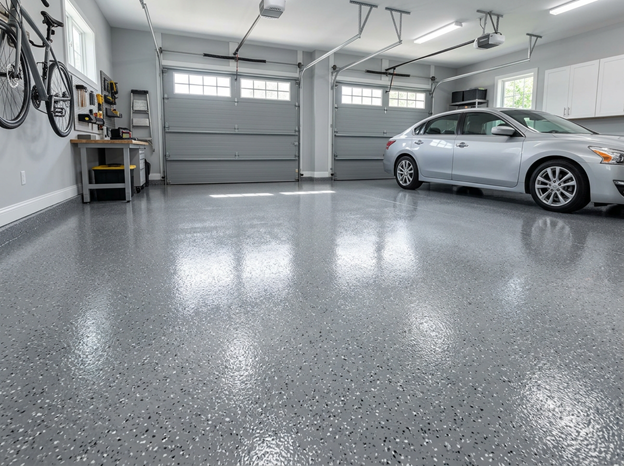
Adding a good floor coating is one of the best ways to upgrade your garage. These coatings protect the concrete and give you a clean, bright, and shiny surface. Epoxy has been popular for a long time, but new polyaspartic coatings are becoming the top choice. They last longer, dry much faster, and will not turn yellow in the sun. In fact, polyaspartic coatings can dry in just 24 hours, so that you can use your garage again right away.
No matter the coating, getting the surface ready is key for it to stick and last. This usually means blasting the concrete to create a good texture, then cleaning it well and checking for moisture. Many homeowners choose custom epoxy floor coatings to get the exact colors, patterns, or flake finishes they want for their home. These systems can turn a boring gray slab into a showroom-quality floor that also includes anti-slip features for safety.
Performance Factors: Cost, Durability, and Maintenance
Picking the right garage floor means balancing a few key things. Price is important, ranging from cheap DIY paint kits to expensive pro systems. Durability matters most—the floor must handle hot tires, chemical spills, and heavy wear. Polyurea and polyaspartic coatings are much stronger and last longer than old-school epoxy.
Easy maintenance is another big plus, as nearly 70% of homeowners want floors that are simple to clean. Smooth, sealed surfaces are much easier to wipe down than rough concrete. How long the floor takes to dry matters too, especially if you need your garage back right away. Interlocking tiles are a good DIY option that drain well and are easy to replace, though they look and feel different than liquid coatings. Knowing these costs and features will help you pick the right garage floor.
Maximizing Storage with Vertical and Overhead Systems
Garages often get messy and crowded. Most American garages are 400 to 600 square feet, but too much floor space is wasted on things that belong elsewhere. The best way to organize is to use vertical wall space and keep the floor open. This makes the garage feel bigger, safer, and easier to use. When storing heavy or seasonal items, always spread out the weight safely.
Implementing Slatwall and Modular Cabinetry as Garage Space Upgrades
Wall-mounted storage systems make garage organization easy. Slatwall panels, made from tough PVC, give you lots of options. You can put them on any wall to hold hooks, shelves, and baskets. This adds up to 30% more storage space without using the floor. It lets you group your tools, sports gear, and cleaning supplies so they are easy to find and reach.
Modular cabinets give a neat look and hide clutter. Soft-close hinges make them last longer and feel better to use. Adding counters creates useful spaces for crafts, fixes, or gardening. Bolting the cabinets directly to concrete walls makes them extra strong and stable.
Utilizing Ceiling Racks for Bulky and Seasonal Items
Overhead racks are great for small garages or seasonal items. They use empty ceiling space for bulky gear like holiday decorations or camping bins, freeing up to 20% more floor space. For high ceilings, motorized lifts make getting things down safe and easy without a ladder.
When installing overhead storage, use strong racks bolted firmly into ceiling joists and check the weight limit. Always use safety brackets to keep them from falling. Using matching, labeled bins helps you find things quickly without taking everything down. This works best for items you rarely use, clearing up floor and wall space for your everyday things.
Strategic Planning for Conversions and Utility Layouts
Some homeowners also turn their garages into living spaces. This takes careful planning to make sure it looks good, works well, and follows local building rules. Whether you want a home office, a guest room, or a separate apartment, you need to focus on smart layouts and flexible design.
Habitable Conversions, HVAC, and Building Codes
Converting a garage into a habitable living space is a significant undertaking that offers a substantial return on investment, often between 65% and 80% of the renovation costs. However, it involves adhering to strict safety and code requirements. Essential steps include proper wall insulation (R-13 to R-19 for walls, R-30 to R-38 for ceilings), subfloor preparation with a vapor barrier, and upgrading electrical systems with dedicated circuits and GFCI outlets.
Heating and cooling are critical; ductless mini-split HVAC systems are highly popular in 2026 for their efficiency and ease of installation. Egress windows are often required, especially for bedrooms, to ensure a safe exit in emergencies. These windows have specific size requirements (e.g., minimum 5.7 sq ft opening). Fire-rated drywall (5/8″ Type X) may be necessary on walls adjacent to the main house for fire separation. Always obtain all necessary building permits—electrical, plumbing, and mechanical—before starting any structural work to avoid costly penalties and ensure safety.
Budgeting and Phasing Complete Garage Space Upgrades
The cost of garage space upgrades can vary widely, from a few hundred dollars for DIY organization to tens of thousands for a full conversion. Most homeowners typically spend between $2,500 and $5,000 on general upgrades, with premium systems reaching $10,000 or more. A basic home office conversion might be under $10,000, while a full ADU with a kitchen and bathroom could easily exceed $30,000 to $50,000.
Good budgeting starts with knowing your project size. A clear vision and 3D drawing help you see the final look and stop expensive changes later. Doing upgrades in steps makes costs easier to handle over time. For big jobs, working with skilled contractors is a must to keep the work safe and high quality. The best choice matches how you use your garage every day, mixing usefulness, good looks, and added home value.
Frequently Asked Questions About Garage Renovations
Homeowners often have similar questions when embarking on garage space upgrades. Let’s address some of the most common concerns regarding appraisal impact, permit requirements, and storage optimization.
Which garage upgrades provide the highest return on investment?
Upgrades that improve both use and looks offer the best return on investment. A modern, insulated garage door is one of the best value-adders. Quality floor coatings, like epoxy, protect the concrete, look great, and make cleaning easy. Built-in storage, such as cabinets and wall tracks, attracts buyers by fixing clutter problems. Finally, energy-saving upgrades like insulation and smart lights also help increase resale value.
What is the typical cost range for upgrading a standard garage?
Remodeling a standard garage costs different amounts depending on the size of the project and the materials used. For basic clean-up and a fresh look, most people pay $2,500 to $5,000. This covers a new floor, wall shelves, and better lights. For bigger upgrades like custom cabinets, premium floors, and smart gadgets, prices go from $5,000 to $10,000 or more. Turning a garage into a full living space costs much more, usually $25,000 to $75,000+, especially if you add a kitchen or bathroom. Labor and material choices greatly affect the final Price.
How can storage capacity be maximized without losing parking space?
To get more storage without losing parking space, use your walls and ceiling. Slatwalls with hooks and shelves keep tools and sports gear off the floor. Cabinets on the walls give you closed storage without blocking your car. Hanging racks on the ceiling are great for large or seasonal items. If your ceiling is high enough, motorized lifts make getting those items down even easier. The main goal is to clear the floor so you have plenty of room to park.
Conclusion
The garage is now a key part of the home with lots of room for improvement. By upgrading your garage, you can turn it into a useful, tough, and nice-looking extension of your house. From insulated doors and strong floor coatings to smart storage and full room makeovers, each upgrade helps make your home more organized, useful, and valuable.
Connecting your systems, choosing durable materials, and focusing on smart design will make your garage upgrades useful now and add value to your home later. By 2026, a modern garage shows how even forgotten spaces can become clean, organized, and truly valued parts of the house.