


Key Takeaways: How Property Managers Can Build a Smarter Parking Lot Maintenance Plan
- Inspect parking lots quarterly and after severe weather to identify damage early.
- Prioritize safety hazards, deep potholes, pavement settlement, and recurring standing water.
- Address drainage problems before applying surface repairs that may not last.
- Schedule crack filling, patching, sealcoating, and striping based on pavement condition and weather.
- Maintain clear records of inspections, repairs, contractor recommendations, and expenses.
- Budget separately for routine maintenance, planned repairs, major reconstruction, and unexpected damage.
- Consider accessibility, traffic flow, pedestrian safety, and long-term maintenance when planning improvements.
A well-maintained parking lot supports safer access, improves a property’s first impression, and helps prevent manageable wear from becoming a disruptive repair project. Property managers who take a planned approach can identify concerns early, prioritize the right work, and schedule repairs around tenants and visitors. Commercial property teams can find pavement, drainage, concrete, and maintenance services through https://mcconnellassociates.org. The goal is not to repair every imperfection immediately. It is to understand what the pavement condition is communicating, then to address the risks that matter most. A consistent inspection process, accurate records, and a realistic budget provide a stronger foundation than reacting only when a pothole or drainage problem becomes impossible to ignore.
Why a Maintenance Plan Matters
Small cracks, loose edges, faded markings, and shallow puddles can appear minor, but they deserve attention before water, traffic, and weather worsen the condition. Planned maintenance helps reduce the need for emergency decisions and allows managers to coordinate work with deliveries, tenant operations, and seasonal weather. It also separates routine upkeep from corrective repairs, resurfacing, and full reconstruction.
How to Inspect a Parking Lot
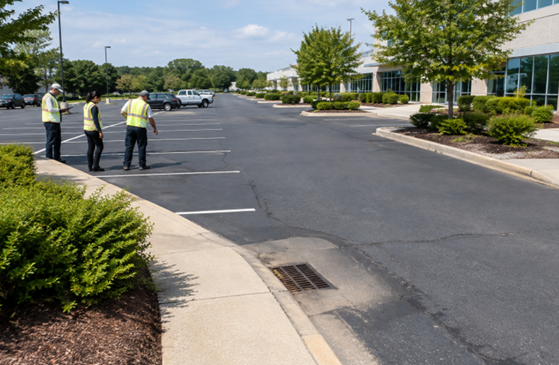
Complete a documented walk-through at least once each quarter, and again after severe weather or unusually heavy use. Start in daylight and follow the same route each time so changes are easier to spot.
1. Walk entrances, drive lanes, loading areas, fire lanes, and high-use parking rows.
2. Look for cracks, potholes, rutting, depressions, loose aggregate, and worn surfaces.
3. Inspect sidewalks, curbs, wheel stops, drainage inlets, catch basins, and concrete pads.
4. Take dated photographs from consistent locations.
5. Record trip hazards, vehicle hazards, blocked drainage, and areas where water remains after rain.
How to Rank Pavement Damage
A simple priority system helps managers use available funds where they can have the greatest effect. Low-priority items may include faded striping, light oxidation, and isolated hairline cracks. Medium-priority concerns include wider cracks, worn joint sealant, damaged wheel stops, and small potholes.
High-priority issues include alligator cracking, pavement settlement, exposed base material, deep potholes, and recurring standing water. For example, a small crack near a storm drain may allow water to reach lower pavement layers. Repeated rain, traffic loading, and temperature changes can enlarge the damaged area, turning a crack-sealing project into a patch or reconstruction need.
Building a Maintenance Calendar
Winter and Early Spring
Inspect for freeze-thaw damage, cracked concrete, potholes, and blocked drainage. Remove leaves, salt residue, gravel, and sediment from inlets, then review the previous year’s photos and repair records.
Late Spring and Summer
When conditions are appropriate, schedule crack filling, patching, sealcoating, and striping. Coordinate closures around peak traffic, deliveries, events, and tenant needs. Check the site after major storms to identify new drainage or surface concerns.
Fall
Complete priority repairs before colder weather limits certain paving work. Clean drainage structures and remove fallen leaves from low points and inlets. This is also a useful time to establish preliminary capital needs for the following year.
Choosing the Right Repair
The correct repair depends on the cause of the damage, its depth and location, expected traffic, and the condition of the base beneath the pavement. Crack filling can help protect suitable surface cracks from water intrusion. Asphalt patching is often appropriate for localized failures. Surface treatments can protect structurally sound pavement from weathering, while resurfacing may suit broad surface wear when the underlying structure remains stable. Reconstruction is generally considered when the base has failed or grading and drainage problems are severe. Applying a surface fix over a failed area without addressing the underlying cause may only delay the need for another repair.
For concrete sidewalks, pads, and other areas around the lot, consider these durable concrete solutions when reviewing surface preparation and repair needs.
Why Drainage Should Come First
Water management should be part of every pavement decision. Check slopes after rain, flag areas where water lingers, and inspect whether roof downspouts discharge too close to pavement edges. Keep catch basins, channels, and inlets clear of sediment and debris. Any changes to paving, landscaping, or nearby construction can alter how water moves across a property. For larger upgrades, permeable pavement, bioswales, and landscaped drainage areas can be considered where site conditions and intended traffic make them practical. These features can help manage stormwater while contributing to more comfortable parking and walking areas.
Safety, Access, and Liability
Pavement maintenance affects both access and appearance. Promptly repair trip hazards near entrances, sidewalks, and crosswalks. Keep arrows, curbs, fire lanes, and traffic signs visible. During work, use clear notices, barriers, and a phasing plan that preserves safe pedestrian and vehicle movement whenever possible. Accessible spaces and routes also need regular review. The requirements for accessible parking spaces address features such as accessible routes, access aisles, signs, slopes, and surface conditions. Confirm local requirements and project-specific obligations before restriping or modifying a lot.
How to Build a Practical Budget
Divide pavement spending into categories rather than treating every issue as an emergency:
Routine care
Inspections, cleaning, drainage maintenance, and minor crack repairs.
Planned maintenance
Sealcoating, striping, concrete repairs, and protective surface work.
Capital repairs
Resurfacing, reconstruction, grading, and major drainage improvements.
Contingency funds
Storm damage, utility work, or unexpected structural failures.
Request written scopes, repair maps, material details, timelines, access plans, and warranty information. Comparable bids are easier to evaluate when every contractor is pricing the same defined work.
Sustainable Parking Lot Options
New construction and major renovation can create opportunities to reconsider how much pavement a property needs and how runoff is managed. Suitable options may include permeable pavement in low-traffic areas, rain gardens, planted swales, tree islands, recycled materials where specifications allow, and smaller paved footprints when demand permits. Each option should be evaluated for site soils, drainage, maintenance capacity, traffic loads, and local requirements.
Questions to Ask a Pavement Contractor
- What is causing the damage, and is the issue limited to the surface?
- Has the pavement base failed, or is drainage contributing to the problem?
- Which repair options are appropriate for the traffic and condition of this area?
- What preparation, traffic control, and cleanup are included?
- How will pedestrian access, deliveries, and emergency routes be handled?
- What maintenance should follow the completed work?
Final Takeaway
A smarter parking lot maintenance plan is built on regular inspections, early action, sound drainage, clear documentation, and realistic budgeting. By routinely checking pavement conditions, property managers can identify cracks, potholes, fading striping, standing water, and other warning signs before they become more serious problems. Addressing these issues early may help reduce repair costs, improve safety, and limit disruptions for employees, customers, tenants, and visitors.
Drainage should also be a priority, as standing water and repeated exposure to moisture can contribute to pavement deterioration over time. Keeping records of inspections, completed repairs, contractor recommendations, and maintenance expenses helps managers track recurring issues and plan future work more effectively. When managers prioritize hazards, consider traffic patterns, and address the causes behind visible damage, they can make informed repair decisions with less disruption and greater confidence. A consistent approach also makes it easier to allocate funds, schedule work at practical times, and maintain a parking area that remains functional and presentable.