


October Flowers: 15 Seasonal Blooms, Birth Flowers, Weddings, and What to Plant
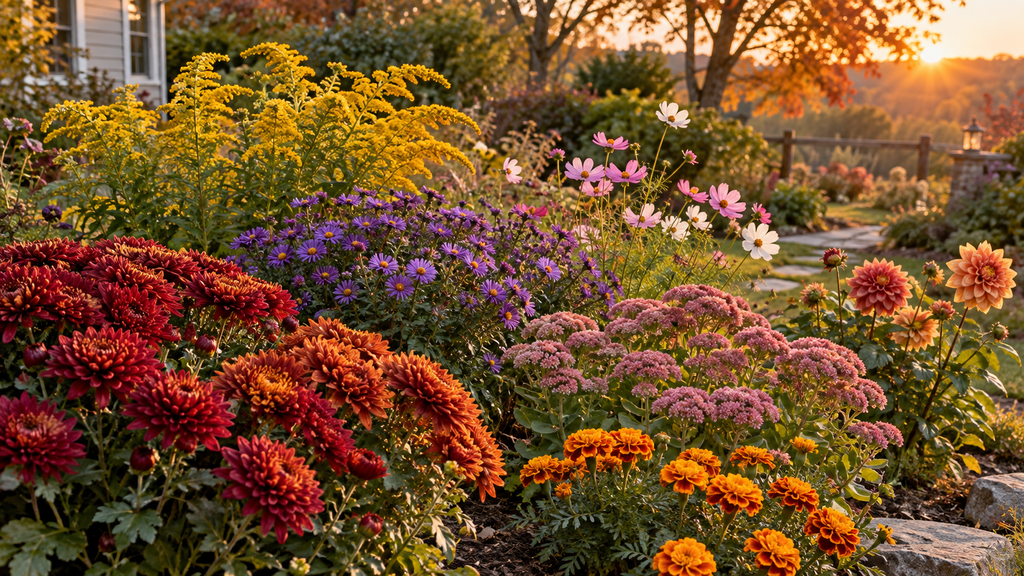
October flowers have a difficult job. They must handle shorter days, cool nights, rain, and—across much of the United States—the possibility of frost. Yet October gardens and bouquets can still be full of color. Chrysanthemums, asters, goldenrod, sedum, dahlias, marigolds, cosmos, and several other late performers may all be available, depending on the local climate.
The phrase “October flowers” can mean several things. The traditional October birth flowers are marigold and cosmos. Flowers blooming outdoors in October vary by region and first-frost date. Florists can also source stems that aren’t growing locally. Finally, people usually plant flowers in October for future bloom, not immediate color.
This guide separates those meanings so you can choose the right flower for a birthday, garden, wedding, container, or fall planting project.
What to know
- Marigold and cosmos are birth flowers for October, but they are not the only flowers associated with the month.
- Mums, asters, goldenrod, and sedum are generally more dependable late-season garden performers than frost-tender annuals.
- Dahlias, zinnias, marigolds, and cosmos can bloom into October where frost arrives late, but one hard freeze may end the display.
- “In season” at a florist does not always mean locally grown; ask what is available from regional growers for your exact date.
- October is often a good time to plant spring-blooming bulbs, trees, shrubs, and some perennials, but timing changes by region.
What Are the October Birth Flowers?
The two widely recognized October birth flowers are marigold and cosmos. Birth-flower lists are cultural traditions rather than botanical standards, so meanings can vary by country, florist, and source. Still, this pair is the most familiar choice in US birth-month guides.
Marigold: warmth, determination, and remembrance
Marigolds bring the gold, orange, copper, and red tones commonly associated with October. Their vivid color has led to positive meanings such as warmth, creativity, energy, and determination. In some cultural traditions, marigolds also strongly connect to remembrance and honoring the dead.
The name “marigold” covers more than one species, including African marigolds (Tagetes erecta) and French marigolds (Tagetes patula). Both are warm-season annuals. They can flower from summer until frost when they receive sun and regular deadheading.
For a birthday gift, a potted marigold feels bright and seasonal. Cut marigolds make a bold bouquet, but their scent is distinctive, so consider the recipient’s preference.
Cosmos: harmony, modest beauty, and joy
Cosmos flowers have open, daisy-like faces and slender stems that create an airy look. Their orderly petal arrangement has inspired associations with harmony and balance. They are also commonly linked with joy, peace, and simple beauty.
Garden cosmos (Cosmos bipinnatus) usually appears in white, blush, pink, and burgundy. Sulfur cosmos (Cosmos sulphureus) brings yellow, orange, and red. These annuals prefer warmth and sun and may continue flowering into October if frost holds off.
Cosmos works especially well when the recipient prefers a loose, meadow-style bouquet rather than a dense, formal arrangement.
Which October birth flower should you choose?
Choose marigolds for saturated fall color, visual impact, or a gift centered on warmth and strength. Choose cosmos for an elegant, light, romantic arrangement. Combining both creates a more complete October birth-flower bouquet and balances the marigold’s dense form with the cosmos’s movement.
If you enjoy unusual color palettes, HomeUpright’s guide to dark flowers can help you add burgundy and near-black companions without mistaking a marketing color name for a separate species.

What Flowers Are in Season in October?
No single nationwide October flower calendar exists. A dahlia may be flourishing on the West Coast while frost has already blackened the same plant in the Upper Midwest. Elevation, rainfall, heat, day length, plant variety, and garden care also affect bloom time.
Use the following list as a practical starting point, then check local nurseries, extension guidance, and your expected first-frost date.
Popular flowers that can bloom in October
| Flower | Typical October role | Best conditions | Important limitation |
|---|---|---|---|
| Chrysanthemum | Containers, beds, and cut arrangements | Sun, even moisture, cool fall weather | Florist mums may not overwinter like hardy garden types |
| Aster | Late perennial color and pollinator forage | Sun; conditions vary by species | Choose a species suited to local soil and moisture |
| Goldenrod | Yellow garden color and wildlife support | Mostly sun; many native options | Some species spread more vigorously than others |
| Sedum | Durable flower heads in beds and bouquets | Sun and well-drained soil | Wet soil can cause weak growth or rot |
| Dahlia | Statement cut flower | Sun, rich soil, frost-free conditions | Usually ends with a killing frost |
| Marigold | Beds, pots, and birth-flower bouquets | Sun and warm days | Frost-tender annual |
| Cosmos | Airy borders and meadow-style bouquets | Sun and well-drained soil | Wind and frost can shorten the season |
| Zinnia | Colorful cutting gardens | Full sun, warmth, airflow | Frost-tender and prone to foliar disease late in the season |
| Celosia | Textured fresh or dried arrangements | Sun and warmth | Frost-tender |
| Japanese anemone | Late perennial border flower | Sun to partial shade; consistent moisture | Can spread where conditions suit it |
| Helenium | Red, gold, and copper perennial color | Sun and consistently moist, well-drained soil | May need support and should not be allowed to dry out |
| Black-eyed Susan | Late yellow color and seed heads | Sun and average, well-drained soil | Exact bloom time and lifespan vary by species and cultivar |
| Pansy or viola | Cool-season containers and edging | Cool weather, sun to partial shade | Best planted in fall only where local conditions suit it |
| Snapdragon | Vertical color in beds and bouquets | Cool conditions, sun, and well-drained soil | Summer heat or severe freezes can limit performance |
| Sasanqua camellia | Fall-flowering evergreen shrub | Suitable warm regions; acidic, well-drained soil | Not hardy or appropriate in every US climate |
Dependable late-season perennials
For a garden designed around recurring fall color, asters, goldenrods, sedums, and suitable garden chrysanthemums make a stronger foundation than frost-tender annuals. Penn State Extension identifies chrysanthemums, asters, and goldenrods as classic fall choices and notes that seed heads can extend visual and wildlife value after flowers fade.
Asters and goldenrods are particularly useful together. Their purple, blue, white, and yellow flowers create contrast, and regionally native species can supply nectar and pollen late in the growing season. Select by scientific name and mature size; “aster” and “goldenrod” each describe many plants with different habits.
Sedums add broad, durable flower heads that often age from pink to russet. Leaving sound seed heads standing preserves winter structure instead of leaving the bed bare as soon as flowering ends.
Flowers that bloom in September and October
Dahlias, cosmos, zinnias, marigolds, celosia, annual sunflowers, and some roses commonly bridge late summer and early fall. Their October performance is most reliable in long-season areas or protected sites. In colder climates, treat them as “until frost” flowers, not guaranteed October bloomers.
Mums and asters also span September and October, with timing varying by cultivar. A garden that combines early-, mid-, and late-season selections will usually hold color longer than one planted with a single variety.
October flowers in warm climates
Where autumn remains mild, the list expands. Lantana, salvias, pentas, tropical hibiscus, bougainvillea, roses, and other heat-loving plants may still be active. In parts of the Southeast, fall-blooming sasanqua camellias can begin their display. Desert and subtropical areas follow their own seasonal rhythms, so a local extension calendar is more useful than a national list.
October flowers in cold climates
In colder regions, focus on hardy asters, goldenrod, sedum, mums selected for local hardiness, and plants with attractive seed heads. A light frost may not ruin every hardy bloom, but a killing freeze usually ends tender annuals and dahlias. Containers also cool faster than the ground, exposing their roots.
Best October Fall Flowers by Purpose
The best flower is not simply the one with the longest list of colors. Start with what the plant needs to do: survive outdoors, fill a pot, support pollinators, or hold up in a vase.
Choose an October Flower for Your Goal
Reliable Garden Color
Start with regionally suitable asters, goldenrod, sedum, and hardy garden mums.
Porch Containers
Combine budded mums or asters with ornamental grass and foliage plants suited to cool weather.
Cutting Garden
Use dahlias, zinnias, cosmos, celosia, marigolds, and sunflowers where the frost window is long enough.
Pollinator Value
Choose locally native asters and goldenrods, then avoid broad insecticide use on open blooms.
Birthday Gift
Give marigold, cosmos, or a bouquet combining both traditional October birth flowers.
Low-Water Sunny Bed
Consider sedum and locally appropriate goldenrods once established; match every plant to your soil.
For pots and porch displays
Buy plants with many unopened or just-opening buds rather than a canopy already at peak bloom. Check moisture daily at first because nursery-grown mums can be root-bound and dry quickly. Use a container with a drainage hole; decorative cachepots can collect water around the roots.
Mums make the classic focal point. Asters add finer texture, while sedum, heuchera, ornamental grasses, and branches can keep the arrangement interesting even when individual flowers fade. In warm areas, marigolds and celosia provide stronger orange and red tones.

For a pollinator-friendly fall garden
Late flowers matter because fewer nectar and pollen sources remain. Native asters and goldenrods are valuable choices, but “native” varies by region. A species native to New England is not automatically native or appropriate in Arizona.
Use a mix of flower shapes and overlapping bloom times. Leave some healthy stems and seed heads through winter where practical. Avoid spraying open blooms with insecticides, and follow every product label.
If you want to understand why flower shape, scent, and bloom timing matter as much as color, explore these interesting facts about flowers before planning a pollinator bed.
For dramatic autumn color
Combine flower form with color. Dense bronze mums can look heavy on their own. Pair them with airy asters or cosmos, vertical celosia or grasses, and broad sedum heads. For a flame-like palette, compare additional plants in HomeUpright’s guide to flowers that look like fire.
October Wedding Flowers: What Works Best?
Popular October wedding flowers include dahlias, chrysanthemums, asters, marigolds, cosmos, celosia, roses, calla lilies, lisianthus, sunflowers, hydrangeas, and textural foliage or berries. However, florist availability doesn’t match garden bloom time. A professional may source greenhouse-grown or transported flowers after local fields have stopped producing.
A strong October wedding flower mix
A balanced bouquet usually needs several roles:
- Focal flowers: dahlias, garden roses, football mums, hydrangeas, or calla lilies.
- Supporting flowers: spray mums, marigolds, lisianthus, or smaller dahlias.
- Movement flowers: cosmos, asters, amaranthus, or airy branches.
- Texture: celosia, sedum, berries, grasses, or seed heads.
- Foliage: choose leaves that support the palette without overwhelming the flowers.
For a classic fall palette, combine rust, apricot, burgundy, cream, and muted gold. A modern scheme can use white, blush, mauve, plum, and copper. October does not require an orange bouquet.
Plan for frost and substitutions
Dahlias and cosmos can be excellent for an early-October wedding in a mild growing area, yet risky after the region’s usual frost window. Ask the florist these questions:
- Which flowers are normally local on our date?
- Which stems will be imported or greenhouse-grown?
- What is the backup if frost, heat, storms, or transport problems affect availability?
- Can we approve substitutions by color, shape, and overall value rather than by exact variety?
- Which flowers are most durable for an outdoor ceremony?
A flexible design brief often produces a fresher result than insisting on one cultivar regardless of the season.

What Flowers Can You Plant in October?
Most flowers planted in October are investments in a later season. What you can safely plant depends on winter severity, soil drainage, and how much time roots have to establish before the ground freezes.
Spring-flowering bulbs
In cold-winter regions, October is often within the planting window for tulips, daffodils, crocuses, alliums, and other hardy spring bulbs. The University of Minnesota Extension notes that planting bulbs in fall in cold climates allows roots to develop before winter. Exact timing changes by location; plant according to the species instructions and local extension advice.
Choose firm, healthy bulbs and a well-drained site. Plant at the depth and spacing stated on the package. Wet, poorly drained soil can rot bulbs, so “plant now” is not good advice if the bed stays waterlogged.
Container-grown perennials
Early October may be suitable for planting hardy container-grown perennials where several weeks of workable soil remain. Water the root ball thoroughly and continue watering as needed until the ground freezes. Avoid pushing late planting merely because discounted stock is available.
In very cold areas, a late-planted perennial may not establish sufficiently. In hot southern areas, autumn can be an excellent planting season because root growth continues after extreme summer heat eases. Local guidance should decide the timing.
Cool-season annuals in mild climates
Pansies, violas, snapdragons, calendula, dianthus, and ornamental kale may be planted for cool-season displays in regions where winters are mild enough for the chosen variety. These are not universal October recommendations. Check local planting calendars and plant tags for temperature and hardiness information.
Seeds for fall or winter sowing
Some native wildflower seeds benefit from a cold, moist period before germination, but requirements differ by species. Do not scatter a generic “wildflower mix” without identifying its contents. A mix can contain plants poorly suited to the site or region.

How to Keep October Flowers Blooming Longer
Match water to the weather
Cool air does not always mean moist soil. Check the root zone rather than watering on a fixed schedule. Containers may need frequent attention, while heavy garden soil can remain wet after autumn rain. When possible, water the soil, not the flowers.
Deadhead selectively
Removing spent blooms can keep many annuals and mums tidy and may encourage remaining buds. However, leave selected seed heads on plants grown for birds, self-sowing, or winter structure. Stop expecting tender annuals to make a major recovery when cold weather is imminent.
Protect only when it is worthwhile
A breathable frost cloth can protect suitable plants from a brief light frost. Support it so it does not crush flowers, secure the edges, and remove or vent it when temperatures rise. A cover cannot turn a tender annual into a winter-hardy perennial.
Buy for the next two weeks, not only today
When selecting mums or asters for a porch, look for healthy foliage and numerous buds. A fully open plant creates instant color but often has less display time remaining. Inspect for pests, broken stems, saturated soil, and severely root-bound growth.
Know when to stop fertilizing
Do not force tender new growth late in the season without a plant-specific reason. For established perennials, follow a locally appropriate care schedule. More fertilizer does not automatically produce more October blooms and can create weak growth or environmental runoff.
Common October Flower Mistakes
Treating every mum as a hardy perennial
Some garden mums are bred and sold as landscape plants, while many decorative florist mums are intended mainly for seasonal display. Even a hardy cultivar needs suitable conditions and enough time to establish. Read the label and buy from a seller who can identify the cultivar.
Assuming “in season” means local
A flower can be available through a florist in October without being grown outdoors nearby. If local sourcing matters, ask where the stems were grown and what regional farms expect to harvest for the date.
Ignoring mature size
Goldenrods, asters, and chrysanthemums range from compact forms to tall plants. Check the botanical name and mature width before placing them along a path or at the front of a small bed.
Planting without checking drainage
Autumn planting works only when roots have air and moisture. A low spot that holds water can damage bulbs and perennials. Improve site selection first; don’t assume a handful of amendments will fix a fundamentally wet location.
Cutting down the whole garden immediately
Healthy seed heads and stems can provide structure and habitat. Remove diseased material when sanitation is needed, but consider leaving sound growth until later. The right balance depends on the plant and local pest or disease issues.
A Simple October Flower Plan
For a home garden that looks intentional instead of relying on one week of mums, build in layers:
- Choose a backbone of locally suitable fall-blooming perennials such as asters, goldenrods, or sedums.
- Add one dependable seasonal focal plant, such as a hardy garden mum appropriate to your region.
- Use frost-tender annuals—cosmos, zinnias, marigolds, or celosia—as bonus color rather than the entire October plan.
- Include foliage, grasses, berries, bark, or seed heads so the design still works after flowers fade.
- Track when each plant actually blooms in your yard. Use those notes to close gaps next year.
This approach accepts that October is a transition month. A successful fall garden does not need every plant in full bloom at once.
Conclusion
The best October flowers depend on what you mean by “October.” Marigold and cosmos are the traditional October birth flowers. Mums, asters, goldenrod, and sedum are dependable fall-garden choices in many regions. Dahlias, zinnias, cosmos, marigolds, and celosia may continue until frost, while florists can offer an even wider range for October weddings.
For planting, think ahead: October is often a time for spring bulbs, hardy landscape plants, or cool-season annuals rather than instant summer-style bloom. Match every choice to your region, drainage, first-frost window, and purpose. That will give you a longer-lasting garden or bouquet than any one-size-fits-all flower list.
Start with one dependable fall perennial, one seasonal container, and a small group of spring bulbs. Check your local frost pattern and planting guidance first, then choose plants for the light, soil, and space you actually have. That simple plan is more likely to succeed than buying flowers only because they are labeled for fall.
Frequently asked questions
What are the two birth flowers for October?
Marigold and cosmos are the two commonly recognized October birth flowers. Marigolds are often associated with warmth, energy, determination, and remembrance, while cosmos are linked with harmony, balance, joy, and modest beauty. Meanings vary because birth-flower symbolism is a cultural tradition, not a botanical standard.
What flowers bloom in October?
Common possibilities include chrysanthemums, asters, goldenrod, sedum, Japanese anemones, dahlias, marigolds, cosmos, zinnias, celosia, and some roses. Actual bloom depends on region, cultivar, weather, and frost. Tender flowers are less dependable where the first killing frost occurs early.
What is the most popular flower in October?
Chrysanthemum is probably the flower most strongly associated with October garden and porch displays. Marigold and cosmos have a different distinction: they are the traditional October birth flowers.
What flowers are best for an October wedding?
Dahlias, chrysanthemums, asters, marigolds, cosmos, celosia, roses, calla lilies, lisianthus, hydrangeas, sunflowers, sedum, and textural foliage can all work. Availability changes by region and date, so ask the florist for seasonal substitutions and a frost-related backup plan.
Can I plant flowers in October?
Often, yes. Many gardeners plant spring-flowering bulbs in October. Hardy perennials, trees, or shrubs may also be planted while soil remains workable and roots have time to establish. Mild climates may support cool-season annuals. Follow local extension guidance because timing differs sharply across the United States.
Which flowers can survive an October frost?
Cold tolerance varies by species, cultivar, plant condition, frost duration, and site. Established asters, sedums, goldenrods, and some hardy mums generally tolerate cold better than dahlias, zinnias, marigolds, cosmos, and celosia. Check the specific plant rather than relying on its common name.
Are marigolds still in season in October?
Marigolds can bloom in October where warm conditions continue, but they are frost-tender. They may remain colorful in mild regions or protected urban gardens while already finished in colder areas.
Are mums annuals or perennials?
It depends on the type and growing conditions. Hardy garden chrysanthemums can be perennial within suitable zones, while many florist mums are grown primarily as temporary display plants. Late planting, wet soil, severe winters, and an unsuitable cultivar can prevent a mum from returning.