


Upgrading Your Home with Window and Door Replacement
Many of us live in homes with windows and doors that have seen better days. You might notice drafts, higher energy bills, or simply an outdated look. These seemingly small issues can significantly impact your home’s comfort, security, and even its value. Upgrading your windows and doors is more than just a home improvement project; it’s an investment in your property’s long-term health and your family’s well-being.
In this guide, we’ll explore why replacement windows and doors are a smart choice for modern homeowners. We will cover key benefits like energy savings and improved curb appeal. Understanding your options, especially for custom doors and windows, is vital for both aesthetics and performance. We’ll also compare different frame materials, discuss planning your installation, and help you prepare for the big day. Our goal is to give you the knowledge you need to make informed decisions for your home.
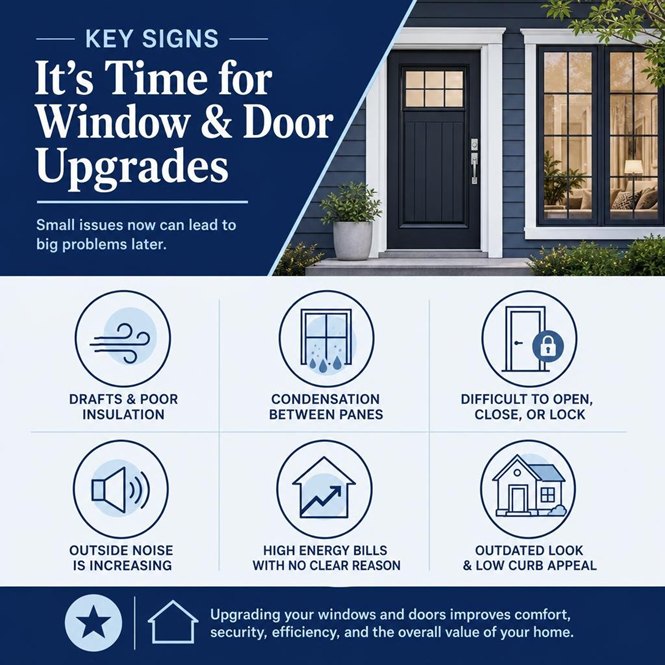
Replacing old, inefficient windows and doors offers many advantages beyond aesthetics. Modern units are engineered for superior thermal performance, significantly improving energy efficiency and indoor comfort. Beyond the immediate comfort, these upgrades can drastically reduce noise infiltration, enhance home security, and substantially boost your property’s market value. When considering comprehensive exterior updates, many homeowners also look at complementary projects like new windows and siding to maximize their home’s overall efficiency and curb appeal.
Energy Efficiency and Utility Bill Savings
One of the most compelling reasons to replace old windows and doors is the potential for significant energy savings. Older windows, especially single-pane models, are notorious for energy loss. They allow heat to escape in winter and enter in summer, forcing your HVAC system to work harder to maintain a comfortable indoor temperature. This increased workload translates directly into higher utility bills.
Modern replacement windows and doors include advanced features to reduce this energy waste. Low-emissivity (Low-E) coatings, for instance, are microscopic layers applied to the glass that reflect radiant heat, keeping your home warmer in winter and cooler in summer. Many contemporary units also feature inert gas fills, such as argon, between multiple panes of glass (double- or triple-pane). These gases are denser than air, further improving insulation and reducing heat transfer.
A window’s thermal performance is measured by its U-factor (how well it stops heat from escaping) and its Solar Heat Gain Coefficient (how much sunlight passes through). Lower U-factors mean better insulation. Energy-efficient windows and doors keep your home comfortable, reduce drafts, and lower your monthly energy bills. Over time, these savings help pay for the cost of the new windows.
Enhanced Curb Appeal and Architectural Harmony
Beyond practicality, new windows and doors dramatically enhance your home’s curb appeal and overall aesthetic. They are prominent features that can either elevate or detract from your home’s architectural style. Outdated, peeling, or damaged windows and doors can make an otherwise well-maintained home look neglected.
Today’s replacement options match almost any home style. Whether you have a classic, rustic, or modern house, you can find windows and doors that fit its look. For example, older homes look great with traditional double-hung windows, while modern homes suit large picture windows. The right choice highlights your home’s style, makes your entryway more welcoming, and greatly improves its overall look. For more ideas on coordinating a front door with the surrounding architecture, see HomeUpright’s guide to creating a warm, practical modern farmhouse entryway.
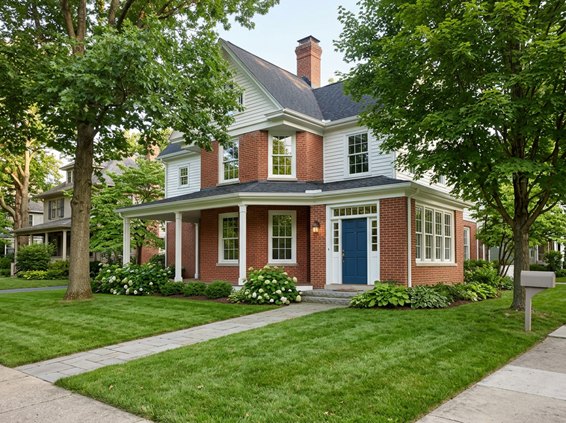
Choosing the correct style, material, and finish can transform your home’s exterior, making it more attractive to visitors and potential buyers. This aesthetic upgrade contributes directly to your home’s market value, offering a strong return on investment.
Comparing Frame Materials: Durability, Lifespan, and Maintenance
Selecting the right material for your window and door frames is a critical decision that affects durability, lifespan, and maintenance needs. Each material offers unique characteristics in structural integrity, resistance to thermal expansion, and moisture tolerance. Understanding these differences is key to making an informed choice that suits your home and lifestyle.
Material Longevity and Performance Profiles
Common Window Frame Materials
Let’s examine the most common window frame materials and how they compare in cost, maintenance, durability, and long-term performance.
Vinyl
Vinyl windows are popular because they are affordable and require little maintenance. Made from polyvinyl chloride (PVC), they do not need painting or staining.
However, vinyl can expand and contract as temperatures change. Over time, this movement may contribute to warping, cracking, air or water leaks, fading, and yellowing. Extreme weather can also reduce the frame’s energy efficiency and structural performance.
Best for: Homeowners seeking an affordable, low-maintenance window option.
Main limitation: It may have a shorter service life than stronger, more dimensionally stable materials.
Wood
Wood windows are valued for their natural appearance, traditional character, and insulating properties. Their timeless look works particularly well with historic homes and many classic architectural styles.
Wood frames require regular painting, staining, or sealing to protect them from moisture and weather exposure. Without consistent care, they may develop rot, mold, swelling, or insect damage.
Best for: Homeowners who prioritize traditional appearance and are prepared for routine upkeep.
Main limitation: Long-term durability depends heavily on proper and consistent maintenance.
Fiberglass
Fiberglass is an especially strong and dimensionally stable material for window and door frames. It is manufactured from glass fibers combined with resin and experiences relatively little expansion or contraction as temperatures change.
This stability helps preserve seals and reduces the risk of warping, cracking, or distortion. Fiberglass frames are also resistant to rot, insects, and corrosion. When properly manufactured, installed, and maintained, some fiberglass windows may provide several decades of service.
Best for: Homeowners seeking strength, low maintenance, weather resistance, and long-term performance.
Main limitation: Fiberglass windows generally cost more upfront than basic vinyl windows.
Aluminum-Clad Wood
Aluminum-clad windows combine a weather-resistant aluminum exterior with the warmth and appearance of natural wood inside the home.
The exterior cladding shields the wood from rain, sunlight, and other outdoor conditions, reducing much of the maintenance associated with traditional all-wood frames. These windows can offer excellent durability and a long service life when properly installed.
Best for: Homeowners who want a wood interior without the exterior maintenance of an all-wood frame.
Main limitation: The initial cost is usually higher than that of standard vinyl windows.
Selecting the Right Window and Door Replacement Options for Your Climate
The climate you live in plays a crucial role in determining the most suitable window and door materials for your home. Different materials react differently to extreme temperatures, humidity levels, and environmental factors like salt air in coastal regions.
In areas with significant temperature swings, materials with high thermal expansion rates, like vinyl, can be problematic. Constant expansion and contraction can lead to seal failure, drafts, and premature wear. Fiberglass, with its excellent dimensional stability, is particularly well-suited for such climates as it expands and contracts at a rate similar to glass, maintaining a tight seal and consistent performance.
For humid environments, wood frames require vigilant maintenance to prevent moisture absorption, which can lead to swelling, rot, and mold growth. Aluminum-clad or fiberglass options offer superior moisture resistance, reducing the risk of these issues. Coastal regions, with their corrosive salt air, demand materials that are highly resistant to corrosion. Fiberglass and certain types of aluminum cladding are excellent choices here, as they will not degrade or rust like untreated metals.
Considering factors like weather resistance, thermal cycling, and humidity tolerance helps ensure your chosen windows and doors perform optimally and maintain their integrity for decades, regardless of local climate challenges.
Planning Your Installation: Timelines, Costs, and Sourcing
Embarking on a window and door replacement project requires careful planning, especially regarding timelines, costs, and how you source your materials. Understanding these aspects upfront will help you manage expectations, budget effectively, and ensure a smooth installation process.
Professional Contractor vs. Self-Purchased Materials
Homeowners often face a choice: either purchase windows and doors directly from a big-box store or specialty retailer and then hire an installer, or work with a full-service contractor who handles both procurement and installation. Each approach has its merits and drawbacks.
Buying materials yourself can sometimes offer perceived cost savings or a wider selection if you’re looking for specific brands or models contractors don’t typically carry. However, this route comes with significant risks. Sizing errors are common; professional measurements are crucial, and a slight miscalculation can render expensive custom windows unusable. Coordinating delivery logistics for large, heavy items like specialty doors can also be complex and physically demanding.
If you opt for a “labor-only” installation, ensure the installers are certified and experienced with the specific products you’ve chosen. Some companies, for example, specialize in installing products purchased elsewhere, providing a professional install “without a hassle.” This can be a viable option, but it places the responsibility for product selection and warranty claims squarely on the homeowner.
Conversely, working with a full-service contractor often simplifies the entire process. Contractors typically have established relationships with manufacturers, which can secure better pricing or access to exclusive product lines. They handle all measurements, ordering, and delivery, mitigating the risk of sizing errors and logistical headaches.
More importantly, reputable contractors often employ factory-trained, certified installers who are experts in their products. This expertise ensures proper fit, optimal performance, and adherence to manufacturer warranty requirements. While the upfront cost may seem higher, the peace of mind, reduced risk, and comprehensive warranty coverage (often including installation) can make it more cost-effective over time.
Total Investment and Project Duration for Window and Door Replacement
The total investment for window and door replacement can vary widely based on factors such as the type and number of units, materials chosen, and regional labor costs. While it’s challenging to provide an exact figure without a detailed assessment, general estimates can offer a starting point.
Homeowners often pay $800 to $1,400 per window, which covers the product, labor, and cleanup. Prices vary by window style, frame material, and energy-saving features. Many companies also offer financing, such as 0% interest for qualified buyers, to make monthly payments easier to manage.
Project length matters too. While big jobs can take a few days, most standard window replacements are fast. A skilled crew can often replace 10 to 15 windows in just one day. Bigger jobs might take two days. Door installations are also quick, often taking only a few hours. Good planning and an experienced team help keep disruptions to your daily routine to a minimum.
Preparing for Installation Day and Understanding Warranties
Once you’ve made your selections and scheduled your installation, a little preparation can go a long way toward a smooth, efficient process. Understanding the scope of work and what to expect on installation day, as well as familiarizing yourself with the warranties that protect your investment, are crucial steps.
Home Preparation Checklist for Installation
To facilitate a quick and clean installation, we recommend the following preparation steps:
- Clear the Work Zones: Remove all window treatments, including blinds, curtains, and shades. Take down any wall hangings, mirrors, or decorative items from walls adjacent to the windows and doors being replaced. Clear furniture at least three to five feet away from each window and door opening to give installers ample space to work.
- Protect Your Belongings: Cover any immovable furniture or flooring with drop cloths or plastic sheeting to protect them from dust and debris. While installers typically take precautions, dust is inevitable during construction, so extra protection is always wise.
- Ensure Accessibility: Ensure clear pathways to all windows and doors from both the interior and exterior of your home. If there are any exterior obstructions like bushes, patio furniture, or decorative items, move them away from the work area.
- Secure Pets and Children: For their safety and to prevent any interference with the work, keep pets and small children away from the installation areas. Consider having them out of the house or confined to a safe, separate room during work hours.
- Remove Valuables: Store any small, valuable, or fragile items in a secure location away from the work zones.
- Plan for Noise and Dust: Be prepared for noise and some dust throughout the day. While professional installers strive to minimize disruption, removing old units and installing new ones can be loud.
- Parking and Access: Ensure there is adequate parking space for the installation crew’s vehicles and equipment.
Following this checklist will help the installation team work more efficiently and protect your home and belongings throughout the project.
Evaluating Product and Labor Warranties
Warranties are a critical component of your window and door replacement investment, offering protection and peace of mind. Understanding the different types of warranties and what they cover is essential.
Typically, you’ll encounter two main types of warranties:
- Manufacturer Warranty (Product Warranty): This warranty covers the windows and doors themselves against defects in materials and manufacturing. Coverage can vary significantly by manufacturer and product line. Common coverage includes glass integrity (e.g., seal failure leading to condensation between panes), frame material defects (e.g., warping, fading), and hardware functionality. Many high-quality windows come with substantial manufacturer warranties, sometimes even lifetime warranties on certain components. Read the fine print to understand what voids the warranty (e.g., improper installation) and which components are covered, and for how long.
- Installation Warranty (Labor Warranty): This warranty comes from the installation company and covers installation workmanship. A reputable installer will stand behind their work and offer a warranty that addresses issues arising from faulty installation, such as leaks, drafts, or operational problems. Some leading companies offer lifetime labor warranties, demonstrating their confidence in their certified installers. This is a major benefit, as even the highest-quality windows will underperform if not installed correctly.
When selecting a contractor, inquire about both the manufacturer’s warranty on the products they offer and their own installation warranty. Ask for details on what specifically is covered, the duration of the warranty, and the process for filing a claim. Certified installers, especially those factory-trained, often must maintain manufacturer warranties, adding another layer of assurance that your investment is protected.
Conclusion
Upgrading your home with new windows and doors is a smart investment that yields significant returns in comfort, energy efficiency, and property value. From enhancing your home’s curb appeal and architectural harmony to drastically lowering your utility bills, the benefits are clear. Understanding frame materials, their durability, and how they perform in different climates helps you choose options that align with your long-term goals.
Careful planning, including budgeting for the total investment and preparing your home for installation day, ensures a smooth process. Furthermore, diligently vetting your contractor and understanding the warranties that protect your investment are crucial steps for peace of mind. By focusing on quality products, professional installation, and thoughtful planning, you can transform your living space, enjoy greater comfort, and protect your home’s long-term value for years to come.
Frequently Asked Questions About Window and Door Upgrades
As you consider upgrading your home, it’s natural to have questions about the process, benefits, and long-term implications. Here, we address some of the most common inquiries to provide clarity and help you make informed decisions.
How much can new windows lower monthly energy bills?
New windows can offer substantial energy savings, but the exact amount depends on several factors: your home’s original window efficiency, your climate, the type of windows you install, and your energy-use habits. Old, drafty windows can account for a significant portion of a home’s heat loss or gain. By replacing them with modern, energy-efficient units featuring Low-E coatings, argon gas fills, and tight seals, you can drastically reduce the workload on your HVAC system.
While specific figures depend on individual circumstances, many homeowners report a noticeable reduction in their utility bills, sometimes by as much as 15-30%. This is due to improved thermal performance, which minimizes drafts and maintains a more consistent indoor temperature, reducing the need for constant heating or cooling. Over the lifespan of the windows, these energy savings can add up to a considerable financial benefit, helping to offset the initial investment.
What is the longest-lasting material for replacement frames?
Based on current industry knowledge and material science, fiberglass stands out as the longest-lasting material for replacement window and door frames. As discussed earlier, fiberglass is exceptionally durable, boasting strength up to eight times greater than vinyl. Its inherent resistance to expansion and contraction, which closely matches that of glass, prevents common issues like warping, cracking, and seal failure that can plague other materials over time.
Fiberglass frames are also impervious to rot, mold, insect infestation, and corrosion, eliminating the maintenance concerns associated with wood. This combination of strength, dimensional stability, and resistance to environmental degradation contributes to an impressive lifespan, with many fiberglass products warrantied to last up to 50 years. This longevity, coupled with minimal maintenance requirements, makes fiberglass an excellent choice for homeowners seeking a truly long-term, high-performance solution.
How should I vet a replacement contractor?
Choosing the right contractor is paramount to the success of your window and door replacement project. A thorough vetting process will help ensure a professional installation and a positive experience. Here are key aspects to consider:
- Licensing and Insurance: Always verify that the contractor is properly licensed and insured. This protects you from liability if accidents or damage occur during the project.
- Experience and Reputation: Look for companies with a long-standing history and a strong reputation. Companies in business for decades often have a proven track record. Check their ratings with organizations like the Better Business Bureau (BBB); an A+ rating strongly indicates reliability.
- Certifications: Inquire about factory certifications. Many manufacturers offer specialized training and certification programs for installers (e.g., Andersen Certified Elite Contractor). These certifications show installers are highly skilled and knowledgeable about specific product lines, ensuring proper installation and warranty compliance.
- Customer Reviews and Referrals: Read online reviews on platforms like Google and check for testimonials. A high volume of positive reviews and a strong referral rate (some companies report over 50% of their business comes from referrals) are excellent indicators of customer satisfaction. Ask for references and don’t hesitate to contact them.
- Warranty Coverage: Understand the contractor’s installation warranty in addition to the manufacturer’s product warranty. A comprehensive labor warranty demonstrates the company’s confidence in their workmanship.
- Detailed Estimates: Obtain a detailed, written estimate that clearly outlines the scope of work, materials, costs, and timeline. Be wary of overly low bids, which might indicate shortcuts or hidden fees.
- Communication: Assess their communication style. A good contractor will be responsive, transparent, and willing to answer all your questions.
By vetting potential contractors, you can protect your investment and ensure qualified professionals handle your window and door replacement project.