

Identifying When You Need Emergency HVAC Repair
Knowing When You Need Emergency HVAC Repair can protect your family, home, and heating or cooling system from serious harm. Gas odors, smoke, electrical burning smells, carbon monoxide alarms, repeated breaker trips, and total system failure during extreme temperatures require immediate attention.
Other problems, such as a dirty filter or incorrect thermostat setting, may be safe to check before calling a technician. This guide explains which HVAC warning signs are genuine emergencies, what you should do immediately, and which troubleshooting steps you can perform safely.
Safety Hazards
The most critical emergencies are those that present direct safety hazards. This can include anything from electrical malfunctions that could lead to fires, to gas leaks that risk explosions or carbon monoxide poisoning. For instance, if you detect a persistent burning odor emanating from your unit, or if you notice sparks or smoke, these are undeniable red flags. Ignoring such signs, even if the system appears to be running, could have catastrophic consequences. Similarly, any indication of a refrigerant leak, often characterized by a sweet chemical smell or a hissing sound, requires immediate professional attention, as refrigerants can be harmful when inhaled.
Extreme Temperatures
Bountiful, UT experiences significant seasonal temperature swings, from scorching summers to freezing winters. When your HVAC system fails during these extreme conditions, it quickly becomes an emergency. In the height of summer, a non-functioning AC can lead to heatstroke, dehydration, and exacerbate existing health conditions, especially for vulnerable populations like the elderly, infants, or individuals with respiratory issues. Conversely, a furnace breakdown in winter can result in hypothermia, frozen pipes, and structural damage to your home. The longer the system remains inoperable during such periods, the greater the risk to occupants and property.
Burning Odors
As mentioned, burning odors are a serious indicator. These smells can range from a smoky scent to the distinct smell of burning plastic or electrical components. Often, this is caused by overheating electrical wires, a failing motor, or debris caught in the heating elements. While a slight burning smell might occur when a furnace is first turned on for the season as dust burns off, a strong, persistent, or unusual burning odor is a clear signal to shut down your system immediately and call for emergency service. This is not a situation for DIY troubleshooting, as it could quickly escalate into a fire hazard.
System Freeze
A less obvious but equally problematic emergency is when your AC unit’s evaporator coil freezes over. This often manifests as ice visible on the refrigerant lines or the outdoor unit, or a lack of cold air despite the fan running. A frozen coil usually indicates a more significant underlying issue, such as restricted airflow due to a dirty filter or blocked vents, low refrigerant levels, or a malfunctioning blower motor. While it might seem like a minor issue, a frozen coil can cause severe damage to the compressor – one of the most expensive components of your AC system – if not addressed promptly. Continuing to run a system with a frozen coil can lead to a complete system breakdown and costly repairs.
Electrical and Gas Issues Requiring Emergency HVAC Repair
Certain HVAC malfunctions present immediate and severe dangers, primarily those involving electrical components or natural gas. Recognizing these specific threats and knowing how to react can be life-saving.
Gas Leaks
Perhaps the most dangerous HVAC emergency involves a gas leak. Natural gas is odorless, but utility companies add a chemical called mercaptan to give it a distinct “rotten egg” smell, making leaks detectable. If you ever smell gas in or around your home, especially near your furnace or water heater, it is imperative to act immediately:
- Evacuate: Get everyone, including pets, out of the house immediately.
- Do Not Touch Anything Electrical: Avoid turning lights on or off, using phones, or operating any appliances, as a spark could ignite the gas.
- Call for Help: Once safely outside, call your gas utility company and then emergency services (911). Do not re-enter your home until authorities declare it safe. A gas leak is an absolute emergency that requires professional intervention without delay.
Short Circuits
Electrical short circuits within your HVAC system can pose a significant fire risk. Signs of a short circuit include flickering lights when the unit runs, frequent tripping of the circuit breaker dedicated to the HVAC system, or visible scorch marks around electrical panels or the unit itself. These issues often stem from frayed wiring, faulty components, or water damage. While a tripped breaker might sometimes be a temporary nuisance, if it happens repeatedly, it indicates an underlying electrical problem that needs urgent investigation by a qualified technician to prevent electrical fires or further damage to your system.
Carbon Monoxide
Carbon monoxide (CO) is a colorless, odorless, and tasteless gas produced by incomplete combustion in fuel-burning appliances, including furnaces. It’s often called the “silent killer” because it’s undetectable by human senses and can cause serious illness or death. Symptoms of CO poisoning include headaches, dizziness, nausea, fatigue, and confusion, which can easily be mistaken for the flu. Every home with fuel-burning appliances should have working carbon monoxide detectors installed on every level and near sleeping areas. If your CO detector alarms, or if you suspect CO poisoning:
- Evacuate: Immediately move everyone to fresh air outdoors.
- Call for Help: Contact emergency services (911) and your HVAC professional.
- Seek Medical Attention: Anyone experiencing symptoms should be evaluated by a medical professional. A malfunctioning furnace can produce dangerous levels of CO, making this a critical emergency requiring immediate attention.
Breaker Trips
While a single circuit breaker trip might be a fluke, frequent or persistent tripping of the breaker connected to your HVAC system is a warning sign. It indicates that the system is drawing too much power, often due to a motor struggling, a short circuit, or an overloaded electrical component. Continuously resetting a tripping breaker without addressing the root cause can damage your electrical system, the HVAC unit, and even create a fire hazard. If your HVAC breaker trips repeatedly, it’s time to call a professional to diagnose the electrical fault.
Safety Shutoffs
Modern HVAC systems are equipped with various safety features designed to automatically shut down the unit if a dangerous condition is detected. These can include high-temperature limits, pressure switches, or flame sensors. While these shutoffs are intended to protect your home and system, they also signal that something is seriously wrong. If your system repeatedly shuts down unexpectedly, especially shortly after starting, do not ignore it. This indicates a problem that has triggered a safety protocol and requires immediate professional assessment to identify and correct the underlying fault before it leads to a more severe breakdown or safety risk.
Critical Failures During Extreme Weather
The climate in Bountiful, UT, with its hot summers and cold winters, means that HVAC failures during peak seasons are not just uncomfortable but can quickly become dangerous.
Freezing Conditions
When winter temperatures plummet in Bountiful, a furnace breakdown can have devastating consequences. Beyond the immediate discomfort, prolonged exposure to freezing indoor temperatures can lead to hypothermia, a serious medical emergency, particularly for the elderly, infants, and those with compromised health. Furthermore, without adequate heating, your home’s plumbing is at severe risk. Water pipes can freeze and burst, leading to extensive water damage, costly repairs, and potential mold growth. An inoperable furnace in freezing conditions demands an urgent response to protect both occupants and the structural integrity of your home.
Heatwaves
Conversely, a malfunctioning AC unit during a Bountiful summer heatwave is equally critical. High indoor temperatures can quickly lead to heat exhaustion and heatstroke, which is a life-threatening condition. Dehydration is also a significant concern. For individuals with chronic health conditions, respiratory illnesses, or heart problems, the stress of extreme heat can exacerbate their conditions, leading to serious medical complications. Even for healthy individuals, prolonged exposure to high temperatures without relief can cause severe discomfort and impact overall well-being.
Vulnerable Occupants
The presence of vulnerable occupants significantly elevates the urgency of an HVAC emergency. This includes:
- Infants and Young Children: Their small bodies are less efficient at regulating temperature and are more susceptible to extreme heat or cold.
- Elderly Individuals: They often have reduced ability to sense temperature changes and a decreased capacity to cope with thermal stress, making them highly vulnerable to hypothermia or heatstroke.
- Individuals with Chronic Illnesses: Conditions like heart disease, diabetes, respiratory issues, and certain medications can impair the body’s ability to regulate temperature, making them more susceptible to the dangers of HVAC failure.
- Pets: Animals can also suffer from heatstroke or hypothermia, and their well-being must be considered during an HVAC emergency. For homes with these individuals, an HVAC breakdown during extreme weather is an immediate health and safety emergency.
Pipe Protection
A direct consequence of heating system failure in winter is the risk of frozen pipes. When indoor temperatures drop below freezing, water in uninsulated pipes, especially those in exterior walls, crawl spaces, or attics, can freeze and expand. This expansion can cause pipes to burst, leading to significant water damage once the ice thaws. Preventing frozen pipes is a key reason for urgent furnace repair during cold snaps. Homeowners may take temporary measures like dripping faucets or opening cabinet doors to expose pipes to warmer air, but ultimately, restoring heat is the most effective protection.
Urgent Response
Given the potential health risks and property damage associated with HVAC failures during extreme weather, an urgent response from a qualified professional is non-negotiable. Waiting for standard business hours or delaying repairs can turn a difficult situation into a disaster. Emergency HVAC services are designed for these critical moments, offering rapid diagnosis and repair to restore comfort and safety as quickly as possible. When your system fails during a Bountiful heatwave or cold snap, immediate action is the best course.
Immediate Steps to Take Before the Technician Arrives
When an HVAC emergency strikes, your immediate actions can often mitigate further damage, ensure safety, and even assist the technician in a quicker diagnosis. Knowing what to do in those crucial first moments can make a significant difference.
System Shutdown
The very first step in almost any HVAC emergency, especially if you suspect electrical issues, burning odors, or a gas leak, is to completely shut down your system. Turn the thermostat to the “Off” position. For gas furnaces, you may also need to locate the gas shut-off valve near the unit and turn it off. This prevents the system from continuing to operate under faulty conditions, which could worsen the problem, cause more damage, or pose a safety risk like a fire or further gas leakage. It also ensures the technician can safely begin their work upon arrival.
Circuit Breaker
If your system isn’t running and you’ve checked the thermostat, the next step is to examine your electrical panel. Locate the circuit breaker that controls your HVAC system (it’s usually labeled, or it’s a double-pole breaker). If it’s in the “Tripped” position (often halfway between “On” and “Off”), you can try resetting it by flipping it firmly to “Off” and then back to “On.” If the breaker immediately trips again, or if it trips repeatedly, do not continue to reset it. This indicates a serious electrical fault that requires professional attention. However, if it stays on and the system still doesn’t work, at least you’ve ruled out a simple breaker trip.
Thermostat Settings
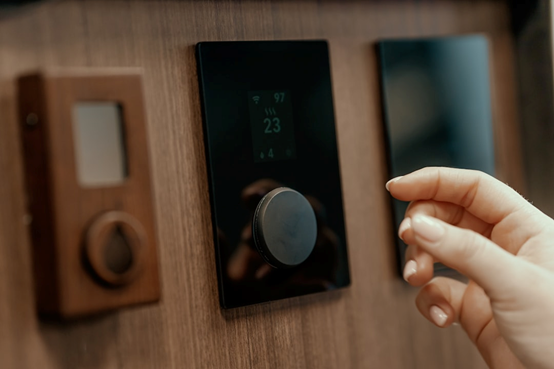
Sometimes, what appears to be an emergency is simply a user error. Before panicking, double-check your thermostat settings. Ensure it’s set to the correct mode (heating or cooling) and that the desired temperature is appropriately above or below the current room temperature. Check if the fan setting is on “Auto” or “On.” If it’s on “Auto,” the fan will only run when the system is actively heating or cooling. If it’s on “On,” the fan should run continuously. A dead battery in a digital thermostat can also cause the system to appear unresponsive, so check and replace batteries if needed.
Air Filters
A surprisingly common cause of HVAC issues, including reduced airflow and even a frozen coil, is a dirty air filter. A clogged filter restricts airflow, forcing your system to work harder, which can lead to overheating, inefficiency, and eventual breakdown. Before calling for emergency service, take a moment to inspect your air filter. If it’s visibly dirty or clogged with dust and debris, replacing it might resolve minor issues, improve airflow, and potentially prevent a more severe problem. While it might not fix a major emergency, it’s a quick and easy check that can sometimes save you a service call.
Securing Your Home and Managing Indoor Temperatures
While waiting for professional help, there are practical steps you can take to make your home more comfortable and prevent further issues, especially during extreme weather.
Room Isolation
If only one part of your home is affected, or if you have a smaller, more easily heated or cooled area, consider isolating it. Close doors to unused rooms and seal off drafts. This concentrates any remaining heating or cooling, or the effect of temporary solutions, to the occupied areas, making them more tolerable. For example, during a winter breakdown, everyone might gather in a central, smaller room that can be more effectively warmed by a safe, temporary heat source.
Portable Fans
During a summer AC emergency, portable fans can provide significant relief. Position them to create a cross-breeze or directly aimed at occupants. While fans don’t actually lower the air temperature, they create a wind-chill effect that helps evaporate sweat from the skin, making you feel cooler. They are a temporary measure but can make a hot environment more bearable while you await repairs.
Space Heaters
In a winter heating emergency, space heaters can offer localized warmth. However, it’s crucial to use them safely. Ensure they are placed on a flat, non-flammable surface, away from curtains, furniture, and anything combustible. Never leave space heaters unattended, especially when sleeping, and ensure they have tip-over protection and automatic shut-off features. Avoid overloading electrical circuits by plugging multiple heaters into one outlet or extension cord. Use them sparingly and with extreme caution as a temporary solution.
Window Shading
Managing solar gain or heat loss through windows is vital. During a summer AC emergency, keep blinds, curtains, or shades closed on windows that receive direct sunlight. This blocks solar radiation from entering your home, helping to keep indoor temperatures down. In winter, during a heating emergency, you might want to open curtains on sunny windows during the day to allow passive solar heating, then close them tightly at night to add an extra layer of insulation and prevent heat from escaping.
Ventilation
Strategic ventilation can sometimes help, depending on the outside conditions. If it’s cooler outside than inside during a summer AC failure, opening windows and doors in the evening or early morning can help purge hot air from your home. Be sure to close them again before the outdoor temperature rises significantly. In winter, avoid unnecessary ventilation, as it will only allow precious heat to escape. Use common sense and prioritize safety and comfort based on the specific external weather conditions.
Preparing for Professional Emergency HVAC Repair
Once you’ve taken immediate safety measures and attempted basic troubleshooting, preparing for the technician’s arrival can streamline the repair process, potentially saving time and money.
Before booking a technician, it helps to understand what to look for when choosing a qualified HVAC service, especially when safety and response time matter.
Model Numbers
Having your HVAC system’s model and serial numbers readily available can be incredibly helpful for the technician. This information is typically found on a sticker or plate on the side of the outdoor AC unit and the indoor furnace or air handler. Knowing these details allows the technician to look up specific parts, schematics, and service bulletins for your exact unit, which can speed up diagnosis and ensure they bring the correct replacement parts if needed.
Clear Access
Ensure the technician has clear and unobstructed access to all parts of your HVAC system. This includes the outdoor condenser unit, the indoor furnace/air handler, the thermostat, and any relevant electrical panels. Move furniture, storage boxes, or any other items that might block their path or prevent them from working efficiently. Clearing the area beforehand means the technician can get straight to work without wasting time moving obstacles, leading to a quicker and more efficient repair.
Symptom Documentation
Before the technician arrives, take a moment to document everything you’ve observed. Note down:
- Specific symptoms: What exactly is happening or not happening? (e.g., “no cold air,” “strange banging noise,” “furnace not igniting”).
- When it started: Did it happen suddenly, or has it been a gradual decline?
- Any sounds or smells: Describe them as accurately as possible.
- What you’ve already tried: (e.g., “checked thermostat, replaced filter, reset breaker”).
- Any error codes: If your system has a digital display, note down any codes. This detailed information provides the technician with valuable clues, helping them narrow down the potential issues and diagnose the problem more efficiently. For more insights into maintaining your system and preventing breakdowns, especially concerning the need for emergency repairs, you might find valuable resources in guides dedicated to AC installation and maintenance.
Warranty Records
If your HVAC system is relatively new, it might still be under warranty. Locate any warranty documentation you have for your unit and any recent repairs. Knowing if parts or labor are covered can impact the cost of the emergency repair. Be prepared to provide this information to the technician or the service company. Even if the system is older, having records of previous services or installations can provide a helpful history for the technician.
Troubleshooting vs. Calling a Licensed Professional
While some minor HVAC issues can be resolved with basic troubleshooting, it’s crucial to understand the line between what you can safely handle and when to call a licensed professional. Attempting complex repairs without the proper expertise can lead to further damage, void warranties, or even create dangerous situations.
Basic Checks
As discussed, there are a few basic checks homeowners can perform:
- Thermostat: Verify settings, mode, and battery life.
- Air Filter: Inspect and replace if dirty.
- Circuit Breaker: Check for trips and reset once.
- Outdoor Unit: Ensure it’s not blocked by debris, snow, or foliage.
- Vents: Make sure they are open and not obstructed. These simple steps are safe and can often resolve common, minor issues without the need for a service call.
Professional Diagnostics
Beyond these basic checks, most HVAC problems require the specialized tools, training, and experience of a licensed professional. Technicians use advanced diagnostic equipment to accurately pinpoint issues such such as:
- Refrigerant pressure imbalances: Indicating leaks or overcharging.
- Electrical component failures: Testing capacitors, contactors, and wiring.
- Motor malfunctions: Diagnosing issues with blower motors, condenser fan motors, or compressor motors.
- Combustion analysis: For gas furnaces, ensuring safe and efficient burning.
- Airflow measurements: Identifying ductwork issues or blockages. These diagnostics go far beyond what a homeowner can safely or effectively perform.
Refrigerant Leaks
Refrigerant is a chemical compound essential for your AC system to cool your home. If your system is low on refrigerant, it almost always indicates a leak, as refrigerant is not consumed like fuel. Refrigerant leaks are not only detrimental to your system’s performance and efficiency but also pose environmental and health risks. Handling refrigerants requires specific certifications and equipment. Attempting to “top off” refrigerant yourself or patch a leak without professional expertise is dangerous and illegal. A licensed technician can safely locate and repair the leak, then recharge the system to the correct levels.
Compressor Failure
The compressor is the heart of your AC system, responsible for circulating refrigerant and pressurizing it. A failing or failed compressor is a major issue, often leading to a complete loss of cooling. Signs include a loud grinding or rattling noise from the outdoor unit, the unit struggling to start, or simply no cold air. Replacing a compressor is a complex and costly repair that absolutely requires a skilled HVAC professional. It involves evacuating refrigerant, carefully removing and installing the new unit, and recharging the system. This is definitely not a DIY project.
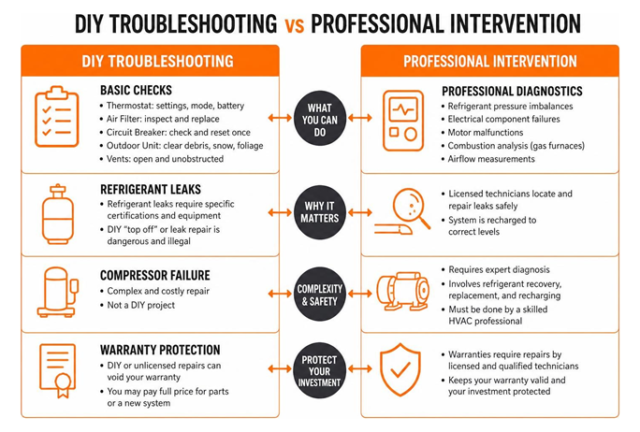
Warranty Protection
Many HVAC systems come with manufacturer warranties that cover parts for a certain period, often 5-10 years. However, these warranties almost universally stipulate that repairs must be performed by a licensed and qualified HVAC technician. Attempting to perform repairs yourself, or having an unlicensed individual work on your system, can void your warranty. This means you could be stuck paying full price for expensive parts or even a new system, even if the issue would have been covered. Always verify your warranty terms before attempting any repairs beyond basic troubleshooting.
Frequently Asked Questions About HVAC Emergencies
When facing an unexpected HVAC breakdown, many questions arise. Here, we address some of the most common concerns homeowners have during an emergency.
What constitutes an emergency HVAC service call?
An emergency HVAC service call is warranted when a system failure poses an immediate threat to health, safety, or property, or renders your home uninhabitable. Key indicators include:
- Extreme Heat or Cold: If your AC fails during a Bountiful summer heatwave (above 90°F / 32°C) or your furnace fails during a winter cold snap (below 40°F / 4°C), especially if vulnerable individuals (elderly, infants, those with health conditions) are present.
- Hazardous Smells: Any strong smell of natural gas (rotten eggs) or burning plastic/electrical components.
- Carbon Monoxide Alarm: If your CO detector sounds, or you suspect CO poisoning symptoms.
- Electrical Hazards: Sparks, smoke, or frequent tripping of the HVAC breaker indicating a serious electrical fault.
- Complete Stoppage: The system is entirely non-functional during extreme weather, providing no heating or cooling whatsoever.
- Water Leaks: Significant leaks from the unit that could cause extensive property damage. If you’re unsure, it’s always safer to err on the side of caution and contact a professional.
How much does an emergency service visit typically cost?
While we cannot provide specific pricing, it’s important for homeowners to understand the factors that influence the cost of an emergency HVAC service visit. Emergency calls often incur higher costs than routine service appointments due to:
- After-Hours Rates: Emergency services are typically provided outside of standard business hours (evenings, weekends, holidays), which usually involves premium labor rates.
- Diagnostic Fees: A fee is charged for the technician to come to your home, diagnose the problem, and provide a repair estimate. This fee is standard regardless of whether you proceed with the repair.
- Parts Replacement: The cost of any necessary replacement parts will be added to the total. This can vary widely depending on the component (e.g., a capacitor is inexpensive, a compressor is very costly).
- Labor Costs: The time and expertise required for the repair itself contribute to the overall cost. It’s advisable to discuss potential costs and get an estimate before authorizing any major repairs. Many reputable companies will provide a clear breakdown of charges.
How can future sudden HVAC breakdowns be prevented?
Preventing future HVAC emergencies largely comes down to proactive maintenance and smart habits. Here are key strategies:
- Seasonal Maintenance: Schedule professional tune-ups twice a year – once for your AC in spring and once for your furnace in fall. These preventative checks can identify and address minor issues before they escalate into emergencies, optimize efficiency, and extend the lifespan of your system.
- Filter Changes: Regularly replace or clean your HVAC air filters, typically every 1-3 months, or more frequently if you have pets, allergies, or live in a dusty environment. A clean filter ensures proper airflow and prevents strain on your system.
- Early Inspections: Pay attention to any unusual sounds, smells, or performance issues. Addressing these early signs can prevent a complete system failure. Don’t wait until your system completely breaks down to call for service.
- Airflow Checks: Ensure all supply and return vents are open and unobstructed. Blocked vents can restrict airflow, leading to inefficiency and potential system damage.
- Clear Outdoor Unit: Keep the area around your outdoor AC condenser unit clear of debris, foliage, and snow. Ensure at least two feet of clearance on all sides for optimal airflow.
- Thermostat Programming: Utilize a programmable or smart thermostat to manage temperatures efficiently and avoid overworking your system. By investing in regular maintenance and being attentive to your system’s performance, you can significantly reduce the likelihood of experiencing a sudden, costly HVAC emergency.
Conclusion
Facing an HVAC emergency in Bountiful, UT, whether it’s a scorching summer day or a freezing winter night, can be a stressful and potentially dangerous situation. However, by understanding the critical signs of an emergency, knowing the immediate steps to take, and recognizing when to call a licensed professional, you can navigate these challenges effectively.
Rapid action is key to mitigating risks, protecting your home, and ensuring the safety of your loved ones. Prioritizing safety, especially when dealing with gas leaks or electrical issues, is non-negotiable. While basic troubleshooting can sometimes resolve minor issues, the expertise of a qualified technician is indispensable for complex problems, ensuring proper diagnosis, safe repairs, and adherence to warranty requirements.
Investing in regular maintenance and being proactive about your HVAC system’s health are the best defenses against unexpected breakdowns. These practices contribute significantly to system longevity, optimal performance, and, most importantly, your peace of mind. When your home’s climate comfort is restored, you can rest assured knowing you’ve taken the right steps to protect your family and your property.