


Key Takeaways: A Homeowner’s Checklist for Getting Solar-Ready Before Installation Day
- Review a full year of electricity use before deciding how much solar capacity you need.
- Inspect the roof and electrical panel early, especially if either is older or showing signs of wear.
- Ask for a site-specific assessment of shade, roof space, and expected production.
- Compare complete written proposals, including roof work, permits, monitoring, warranties, and financing terms.
- Confirm who handles permits, utility approval, inspections, and future service.
Preparing for solar involves more than selecting panels. It is a home-improvement project that can affect your roof, electrical system, budget, insurance, and utility service. For Chicago-area homeowners, Green Tech Construction offers residential solar panel installation with a construction-focused approach that connects system design with roof planning, electrical work, repairs, and ongoing service.
Its experience serving communities including Oak Park, St. Charles, and Evanston makes it a relevant local option for homeowners who want to evaluate the full project, not just the equipment. Doing the preparation first makes contractor proposals easier to compare and reduces the risk of discovering roof or electrical needs after the project is underway. Use this checklist to organize the major decisions before signing an agreement.
Review Household Energy Use
Collect 12 months of electric bills if possible. One bill can be distorted by unusual weather, travel, or a temporary change in household activity, while a year of records shows seasonal patterns. Note major loads such as air conditioning, electric water heating, pool equipment, a home office, and electric vehicle charging.
Also list any changes you expect to make soon, such as adding an EV charger, a heat pump, an electric range, or a finished basement. The U.S. Department of Energy recommends reviewing past bills and considering future energy needs before sizing the system. It can also be useful to complete energy-saving improvements before purchasing a larger array, as explained in its guide for consumers going solar.
Check the Roof Before Designing the System
A solar design should begin with the roof’s condition and remaining service life. Look for missing or damaged shingles, leaks, ceiling stains, sagging areas, aging flashing, or rot around roof edges. If substantial roofing work is likely soon, completing it before panel installation may prevent the added work of removing and reinstalling equipment later. This is particularly important for an older Chicago bungalow or suburban home whose roof is nearing the end of its useful life. A qualified roofer, installer, or structural professional can help determine whether the roof deck and framing are appropriate for the proposed mounting plan.
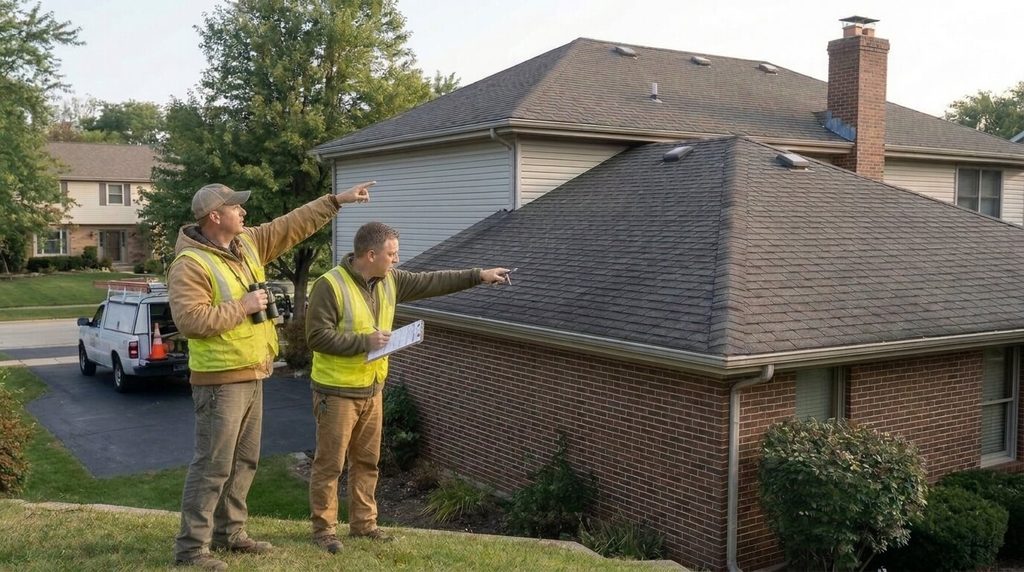
Study Sunlight, Shade, and Roof Space
Roof direction, pitch, chimneys, dormers, vents, and nearby trees all influence a solar layout. Shade can reduce production, particularly when it reaches panels during strong daylight hours. Ask each installer for a site assessment that explains how these conditions were considered in the production estimate. Rooftop solar is not the only possible arrangement. Some properties may be better suited to a ground-mounted system, while others have limited usable space. The right design should fit the property rather than force a standard panel count onto every roof.
Inspect the Electrical System
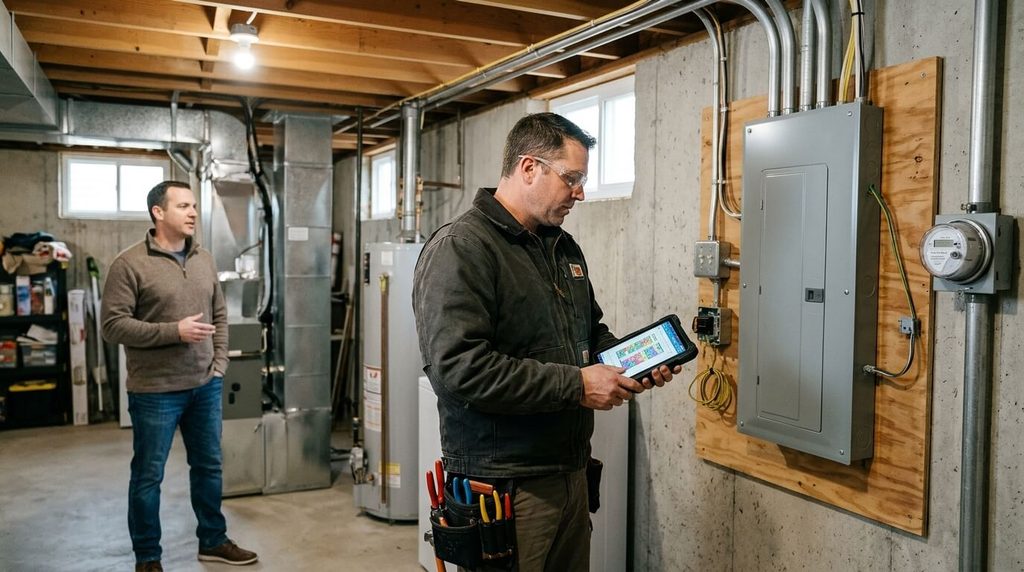
Solar equipment must connect safely to the home’s electrical system. An early review of the service panel, breakers, wiring, and available capacity can determine whether changes are needed. Older panels, frequent breaker trips, limited breaker space, and plans for additional electrical appliances are all reasons to request a closer assessment. Not every home needs a service upgrade. However, discovering an electrical limitation after a contract is signed can complicate scheduling and costs. Electrical work should be performed by qualified professionals and comply with applicable local requirements.
Decide Whether Battery Storage Fits Your Goal
Solar panels generate electricity, while batteries store electricity for later use. A battery may be worth evaluating if backup power, greater use of self-produced power, or time-based rate management is important to your household. It also adds equipment, space needs, and cost. Ask which circuits would remain powered during an outage. Many homeowners choose essential loads, such as refrigeration, lighting, internet equipment, and selected outlets, rather than attempting to back up every electrical device in the house.
Compare Solar Proposals Side by Side
Request several detailed proposals and compare the complete scope, not just the monthly payment or number of panels. Use a simple checklist for each offer:
• Total cash price and financing terms
• Estimated annual production and assumptions about shade
• Panel, inverter, racking, and monitoring equipment
• Roof repairs, structural review, or electrical upgrades
• Permit, inspection, and utility interconnection responsibilities
• Equipment, artistry, and roof-penetration warranties
• Service process if performance drops or equipment fails
Plan for Permits, Utility Rules, and Insurance
Residential projects commonly involve local permits, inspections, and utility approval before the system can operate. Confirm in writing who submits documents, responds to corrections, schedules inspections, and communicates with the utility. Contact your insurance provider before installation and keep copies of your final design, permits, approvals, warranties, and monitoring information. Local rules vary by jurisdiction, utility, and property. Consumer guidance from the Michigan Public Service Commission on solar roles and permitting illustrates why homeowners should understand the responsibilities of installers, utilities, lenders, and local inspectors before work begins.
Questions to Ask the Contractor
• Who will design and physically install the system?
• Who reviews roof condition and structural suitability?
• Who obtains permits and manages utility approval?
• What work is included if the roof or electrical panel needs attention?
• What warranties apply to equipment, labor, and roof penetrations?
• How will monitoring work, and who provides service after installation?
Prepare for Installation Day and Beyond
Before work starts, clear driveway access, move fragile items from attic or ceiling work areas, secure pets, and ask where materials will be staged. Confirm whether the power may be interrupted and avoid scheduling important events at home that day. Installation can be relatively brief, but permits, inspections, and utility approval may take longer.
Once the system is operating, save the final design, inspection record, utility authorization, warranties, and monitoring login. Review production during the first few months and promptly report error messages, unusual output changes, roof leaks, or storm damage. Once your system is operating, learning how to clean solar panels on the roof safely can help you understand routine maintenance, protect the equipment, and recognize when professional cleaning is necessary. Careful preparation makes it easier to choose a system that suits the home, compare contractors fairly, and protect the investment over time.
Conclusion
Choosing the right solar system for a Chicago-area home starts with understanding the property’s energy needs, roof condition, electrical capacity, and long-term goals. Reviewing electricity use, assessing sunlight and available space, comparing complete proposals, and confirming permit and utility requirements can help homeowners avoid unexpected costs and make more informed decisions.
Green Tech Construction provides a local option for those seeking a construction-focused approach that considers roofing, electrical work, installation, and ongoing service as part of the project. Ultimately, taking time to prepare and asking contractors clear questions can make the transition to solar more manageable. A well-planned system should not only meet the household’s energy needs but also fit the home, budget, and expectations for long-term performance.