


If you have ever stood in a garden center trying to remember the name of that fragrant white bloom, you already know why a list of flowers that start with g is so handy. I ran into this exact problem last spring. I wanted to fill a bare corner of my backyard with something that smelled amazing, and every name I tried to recall started slipping into “g” words I couldn’t quite place. Gardenia? Geranium? Something else?
That little mix-up sent me down a research hole, and I ended up planting three different G flowers that same season. So this guide is not just a list of definitions. It’s built from my own trial and error, mixed with facts you can actually verify, so you walk away knowing exactly which G flower fits your garden, your climate, and your reason for planting.
Why G Flowers Deserve a Spot in Your Garden
The letter G hides some real garden workhorses. You get fragrance from gardenia, structure from gladiolus, cut-flower power from gerbera daisy, and pollinator support from goldenrod. That’s a lot of range from one letter.
A lot of “flowers that start with G” lists online just repeat the same five or six names. I wanted mine to go deeper, so I pulled in growing zones, pet safety notes, pollinator data, and the actual history behind a few of these blooms. That way you get more than a name and a photo. You get a reason to choose one G flower over another.
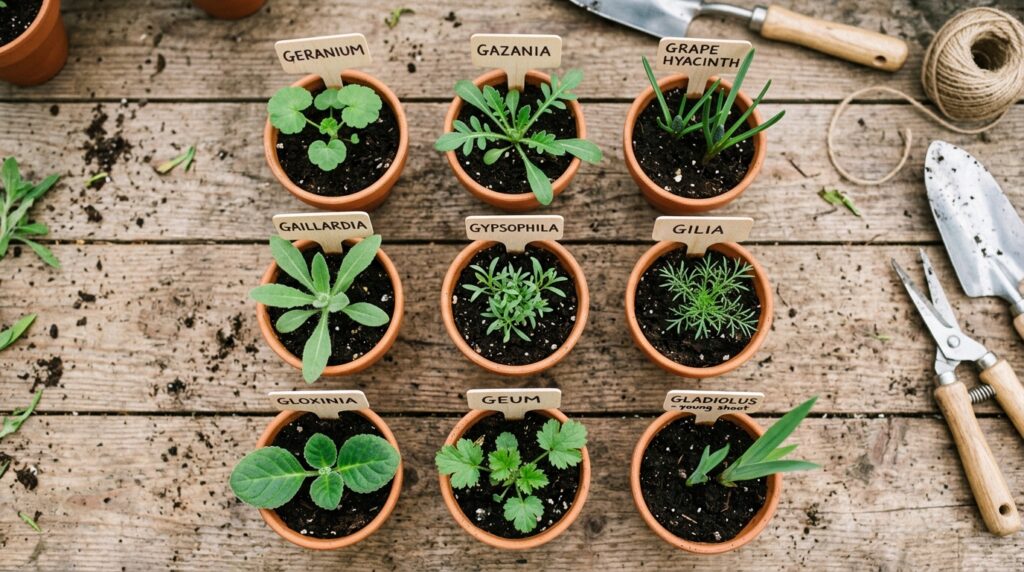
20 Flowers That Start With G
1. Geranium
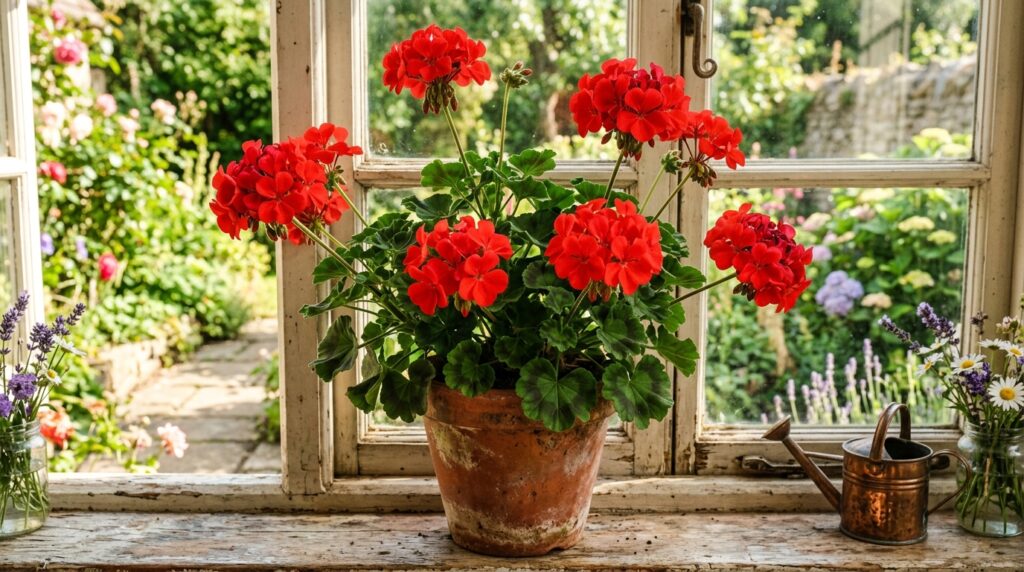
Geranium is probably the most familiar name on this whole list. It’s grown as both an annual and a perennial, and there are close to 300 species, so you have a huge range of colors to pick from, everything from soft white to deep red and purple.
I grew geraniums in hanging baskets on my porch for two summers straight. They took full sun without complaint and only needed watering when the top inch of soil felt dry. If your soil is on the poor side, geraniums genuinely don’t mind, which makes them a forgiving first flower for a beginner.
2. Gladiolus
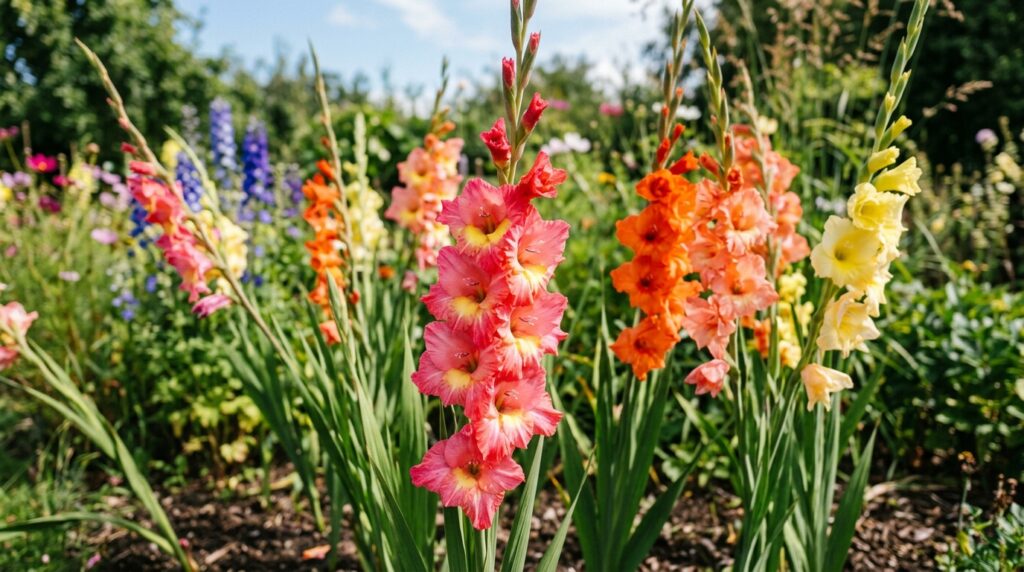
Gladiolus is the tall, sword-leafed flower you’ve probably seen in cut-flower bouquets. The name actually comes from the Latin word for “little sword,” a nod to the shape of its leaves, and the plant is native to South Africa rather than the Mediterranean many people assume. According to the horticultural history documented by Petal Republic, gladiolus corms were brought to Britain in the 18th century and hybridized into the tall garden varieties we grow today.
If you want height and drama in a summer bed, gladiolus delivers. I staked mine the first year because a summer storm flattened half the row. Lesson learned: plant these somewhere sheltered, or budget for stakes.
3. Gardenia
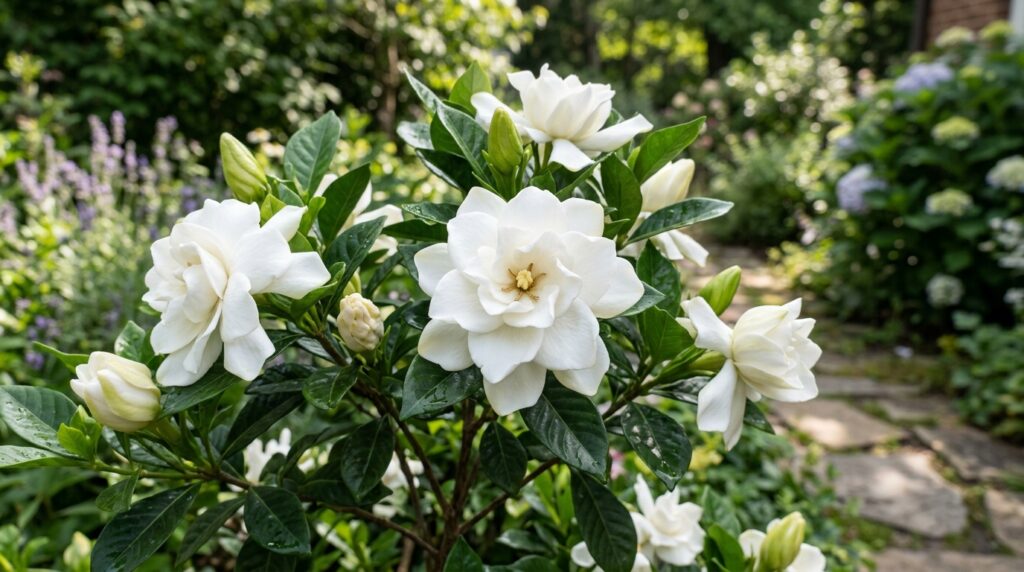
Gardenia is the fragrance king of the G flowers. That heavy, sweet scent is exactly why brides still carry them and why so many perfumes borrow the name. Gardenia is native to southern China and Japan, and it grows best in warm, humid conditions.
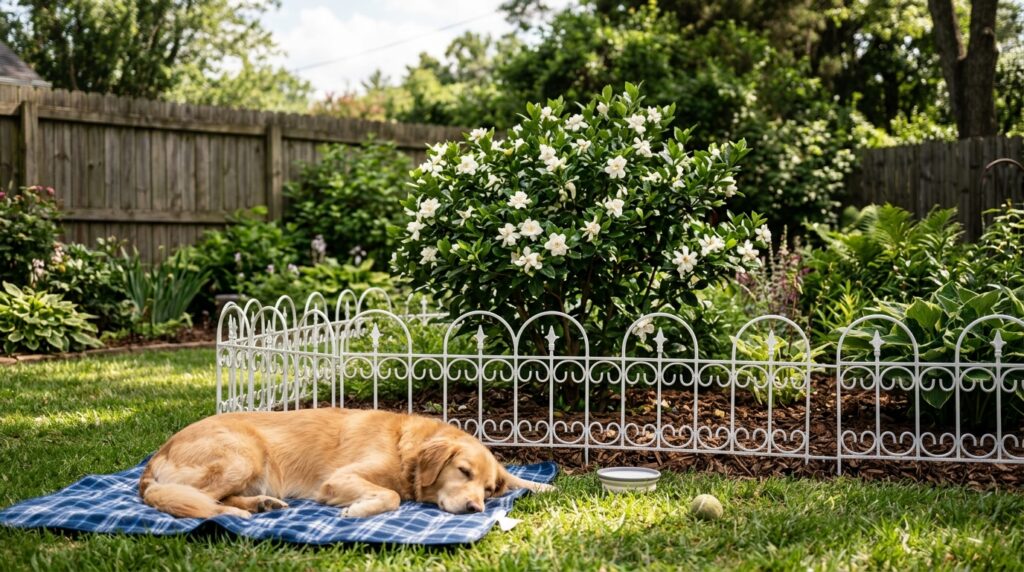
Here’s something a lot of gardenia articles gloss over. According to ASPCA Animal Poison Control, gardenia is toxic to dogs, cats, and horses, and can cause mild vomiting, diarrhea, or hives if chewed. It’s not usually a medical emergency, but if you share your yard with pets, it’s worth planting your gardenia somewhere they can’t easily reach.
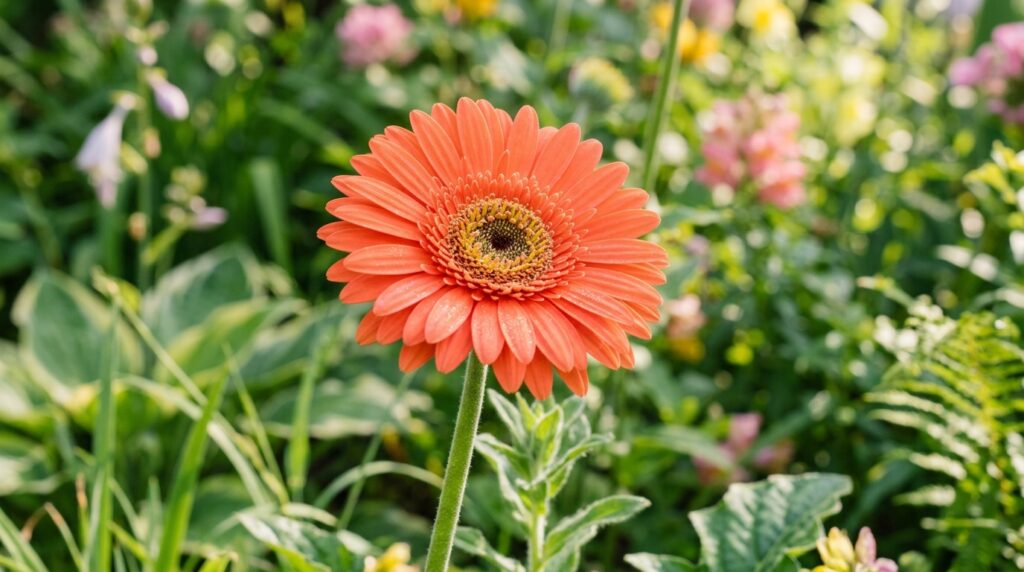
4. Gerbera Daisy
Gerbera daisy is the flower everyone secretly loves because it looks like a child’s drawing of the sun. Bright orange, pink, yellow, or red petals surround a dark center, and the blooms hold up well in a vase, which is exactly why florists use them so often.
I like gerbera daisies for containers near a front door. They bloom for weeks and give you that instant “someone lives here and cares” look without much upkeep.
5. Gazania
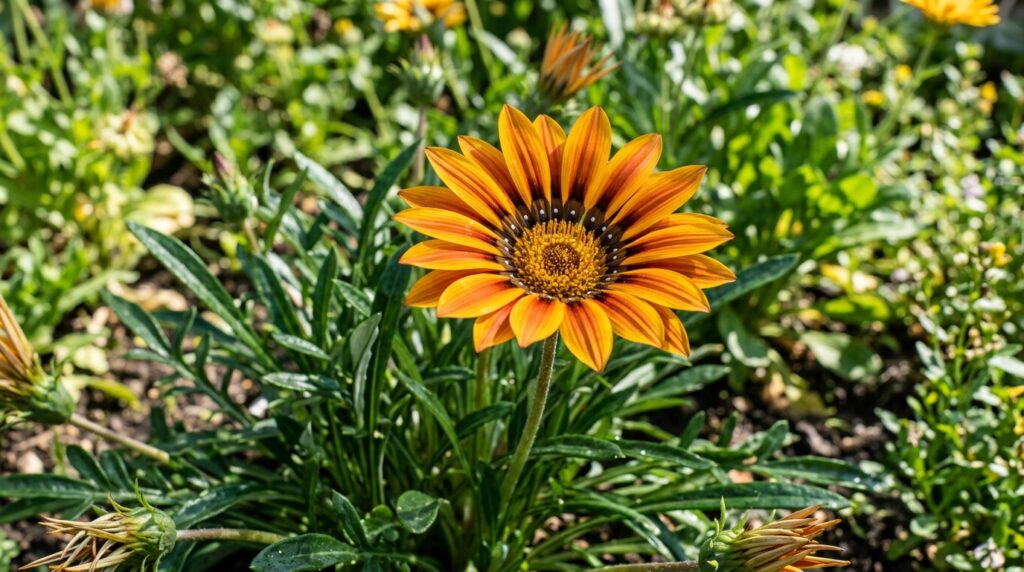
Gazania is a low, spreading daisy-like flower that closes its petals at night and opens again with the sun. It’s incredibly heat and drought-tolerant, so if you’ve got a hot, dry strip of yard where nothing else survives, gazania is worth a try.
6. Gaillardia (Blanket Flower)
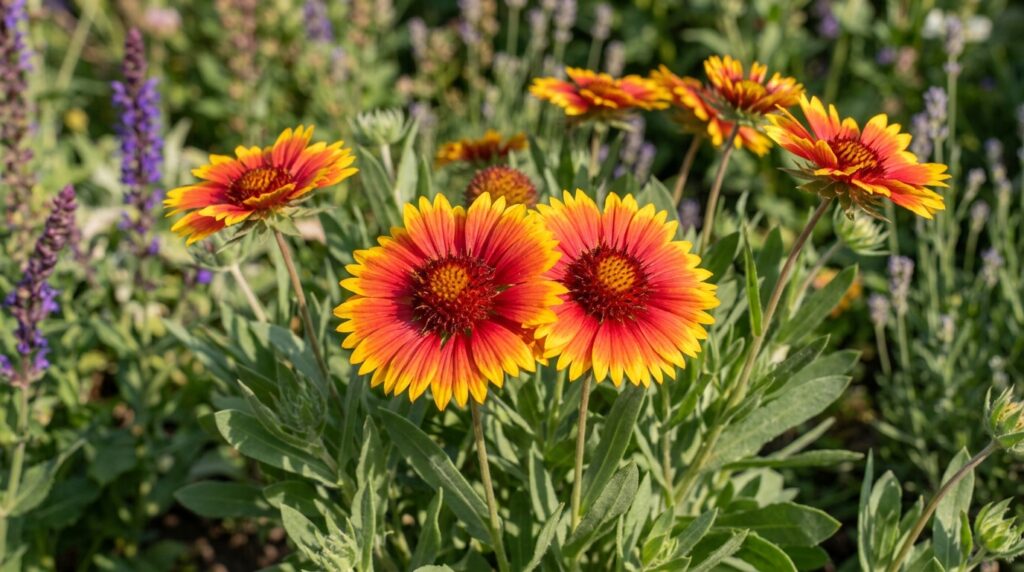
Gaillardia, better known as Blanket Flower, brings warm red and orange tones that genuinely look like a woven blanket thrown over your border. It’s a hardy perennial and a strong pollinator draw, which means bees and butterflies will actually visit it, not just admire it from a distance.
7. Grape Hyacinth
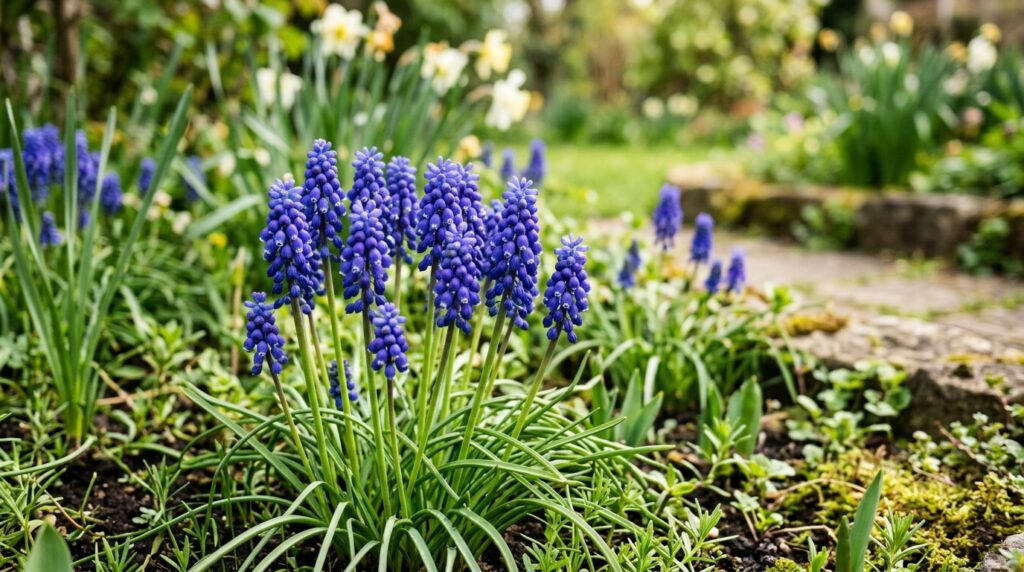
Grape hyacinth is a small spring bulb with tight clusters of blue-purple flowers that really do resemble a bunch of tiny grapes. Plant the bulbs in fall, and you’ll get one of the earliest pops of color in spring, often before most other bulbs wake up.
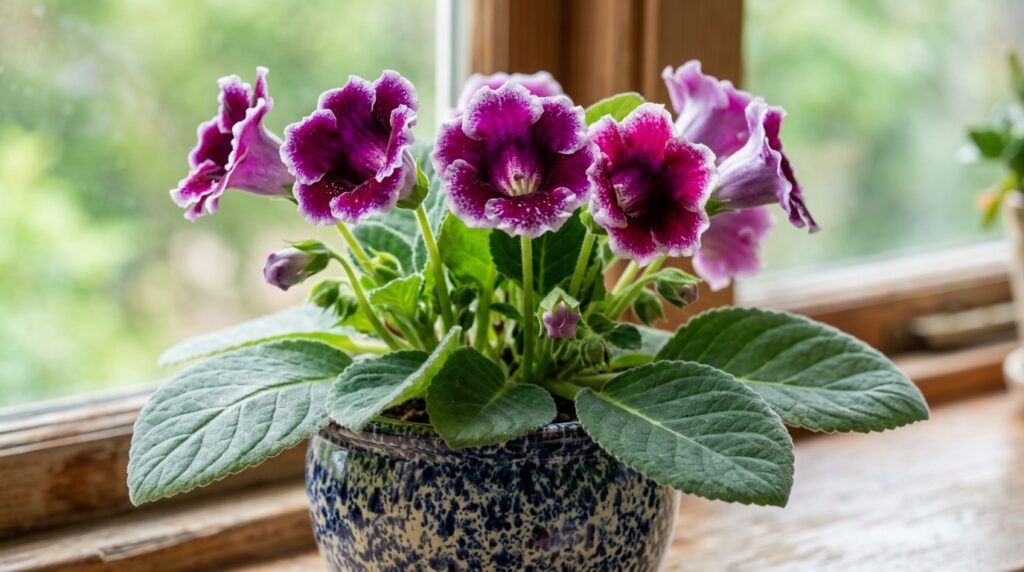
8. Gloxinia
Gloxinia is a houseplant flower with deep, velvety, trumpet-shaped blooms in purple, red, or white. I keep mine on a north-facing windowsill, since direct afternoon sun tends to scorch the leaves.
9. Globe Amaranth (Gomphrena)
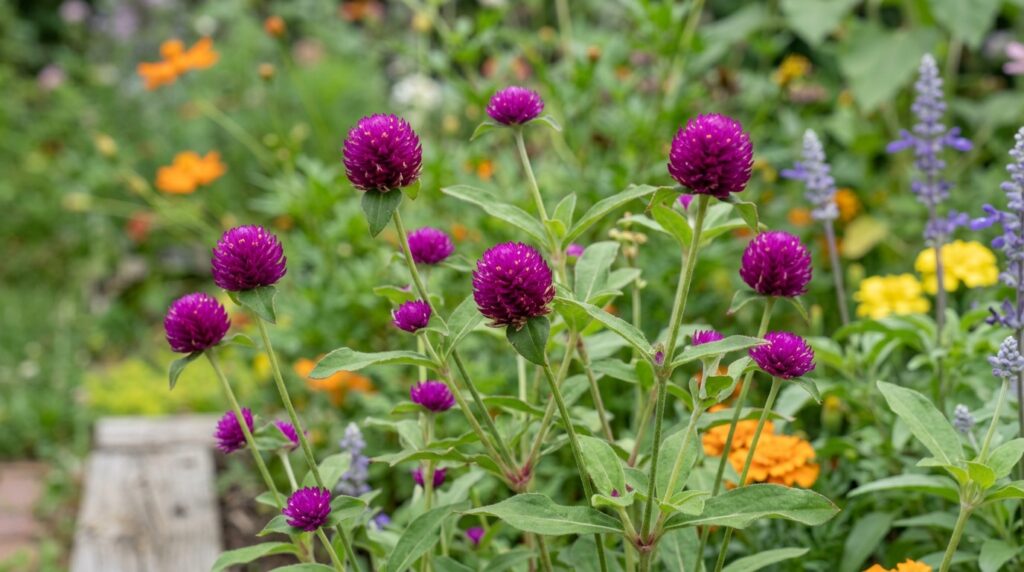
Globe amaranth, also sold as Gomphrena, produces round, papery flower heads that hold their color even after drying. If you like making dried flower arrangements, this one is worth growing specifically for that purpose.
10. Ginger Lily
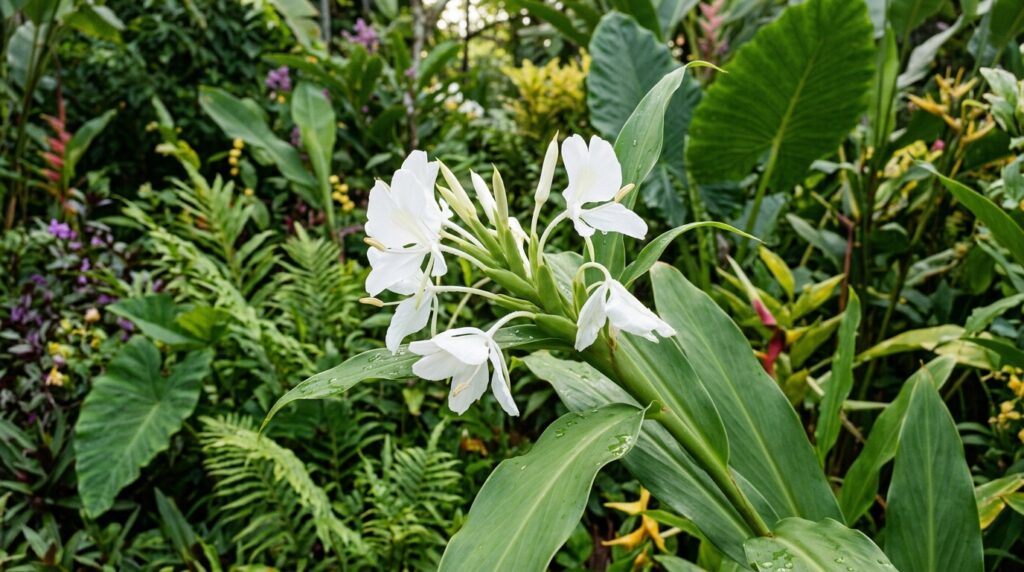
Ginger lily brings a tropical, intensely fragrant bloom to warm-climate gardens. It’s related to true ginger and does best in humid, partly shaded spots.
11. Galanthus (Snowdrop)
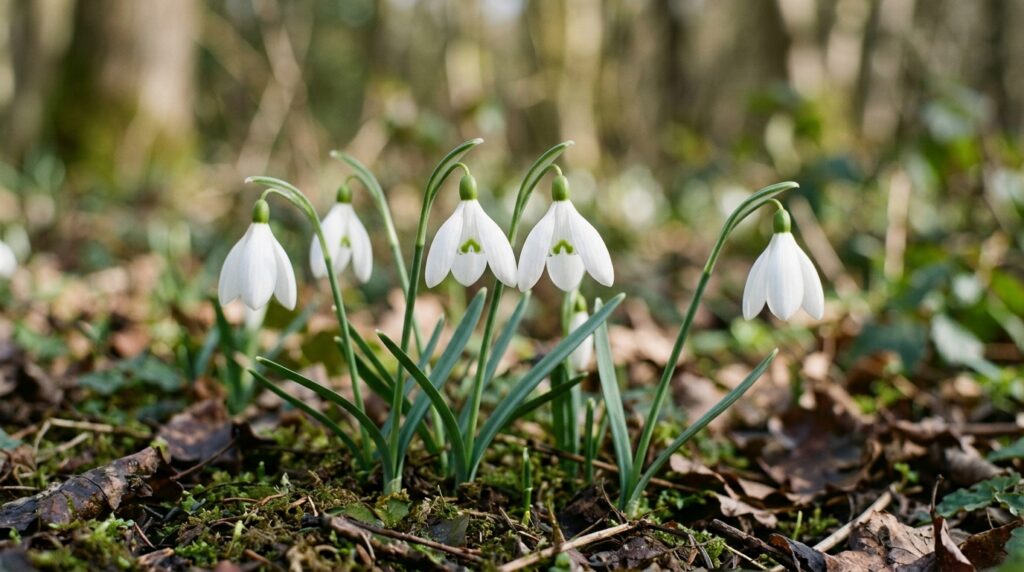
Galanthus, better known as the snowdrop, is one of the very first flowers to bloom each year. It often pushes through late snow, which is exactly where the common name comes from. The small white bell-shaped blooms hang from thin green stems, and a drift of them naturalized under trees is one of the prettiest early-spring sights you can get.
I planted a small patch of snowdrops under a maple tree three falls ago, and every February I forget they’re coming until they suddenly show up while everything else is still bare. That little surprise is honestly one of my favorite garden moments of the year.
12. Genista (Broom)
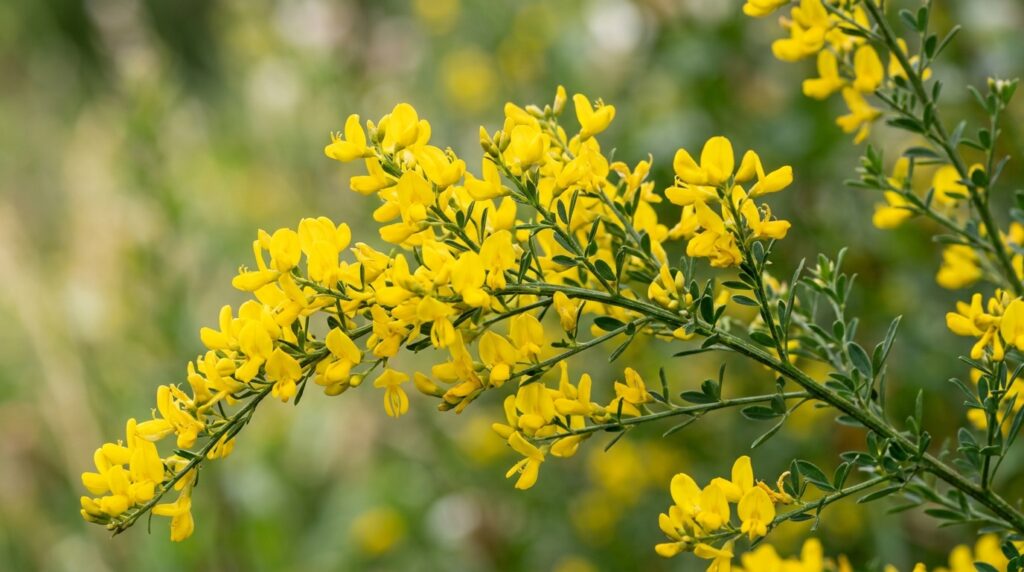
Genista, commonly called broom, is a shrub covered in small, bright yellow, pea-shaped flowers in spring. It handles poor, dry soil better than most flowering shrubs, which makes it a good option for a hillside or a spot near a driveway where the soil never stays moist.
13. Gentian
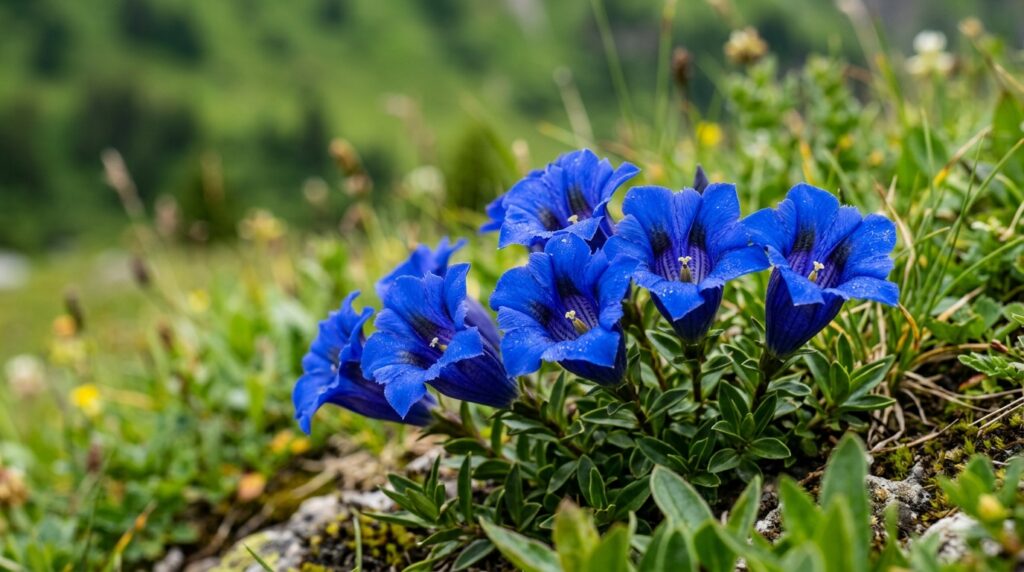
Gentian is prized for its intense, almost electric blue-purple color, a shade that’s genuinely hard to find elsewhere in the plant world. It’s a favorite among alpine and rock garden collectors, though it can be fussy about drainage. If your soil holds water after rain, raise the bed or mix in extra grit before planting gentian.
14. Geum
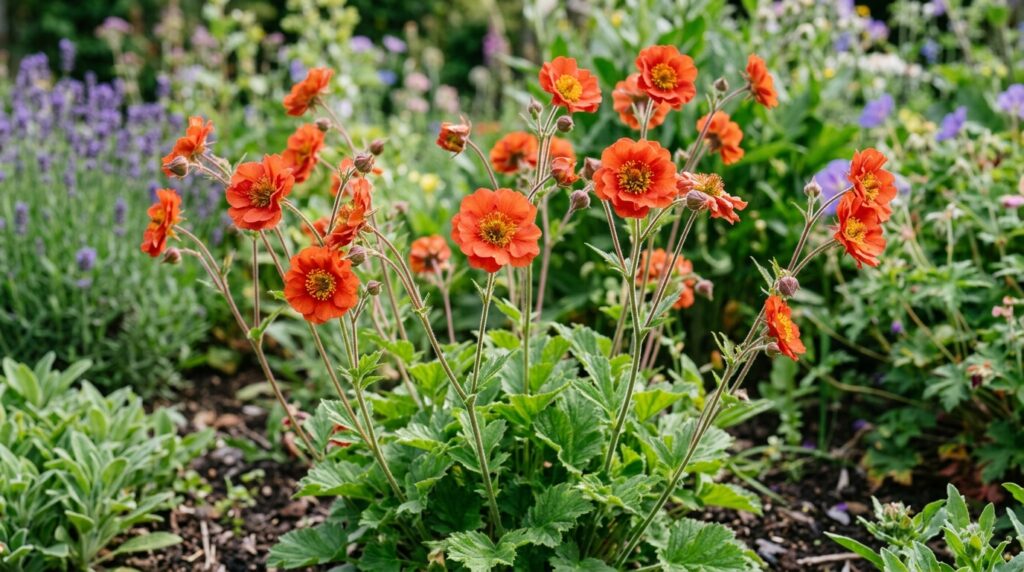
Geum is a low, clumping perennial with cheerful orange, red, or yellow flowers held above soft green foliage. It blooms for a long stretch through late spring and early summer, and it works well tucked along the front edge of a border where taller plants like gladiolus can rise behind it.
15. Gloriosa Lily (Glory Lily)
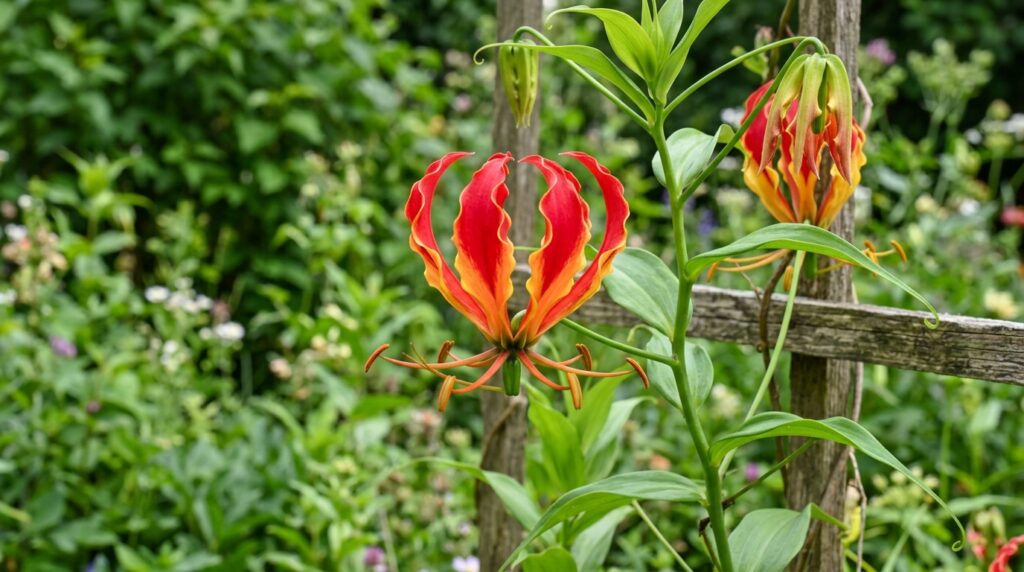
Gloriosa lily is one of the more dramatic G flowers, with wavy, flame-shaped red and yellow petals that curl backward. It’s a climbing vine, so give it a trellis or fence to scramble up. Every part of this plant is toxic if eaten, by people and pets alike, so I’d keep it well out of reach if you have small kids or curious animals around.
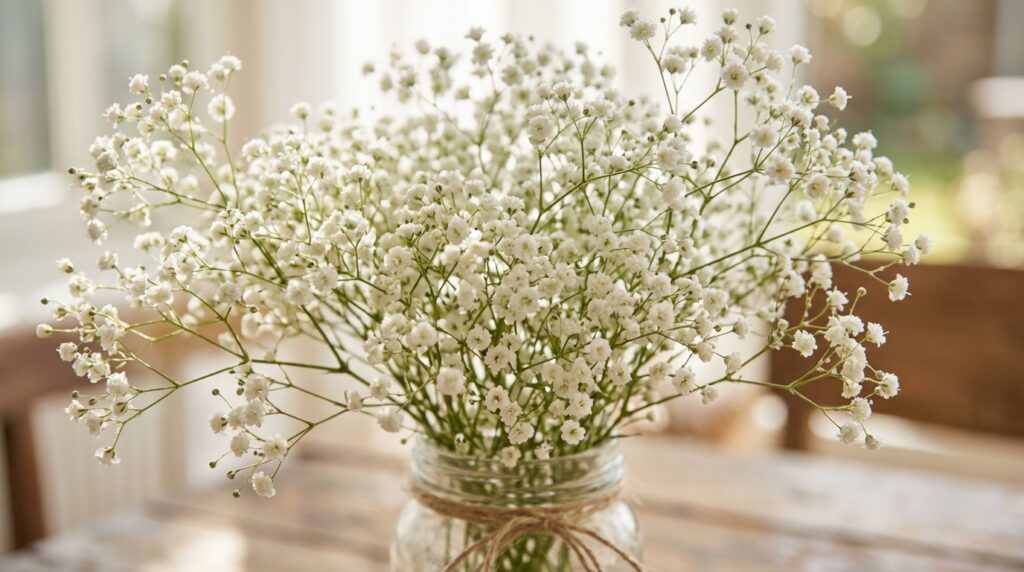
16. Gypsophila (Baby’s Breath)
Gypsophila, known almost universally as baby’s breath, produces clouds of tiny white flowers that florists use to fill out bouquets. It’s easy to underestimate in the garden bed, but a mature clump adds a soft, airy texture that balances out bolder blooms like gladiolus or gerbera daisy.
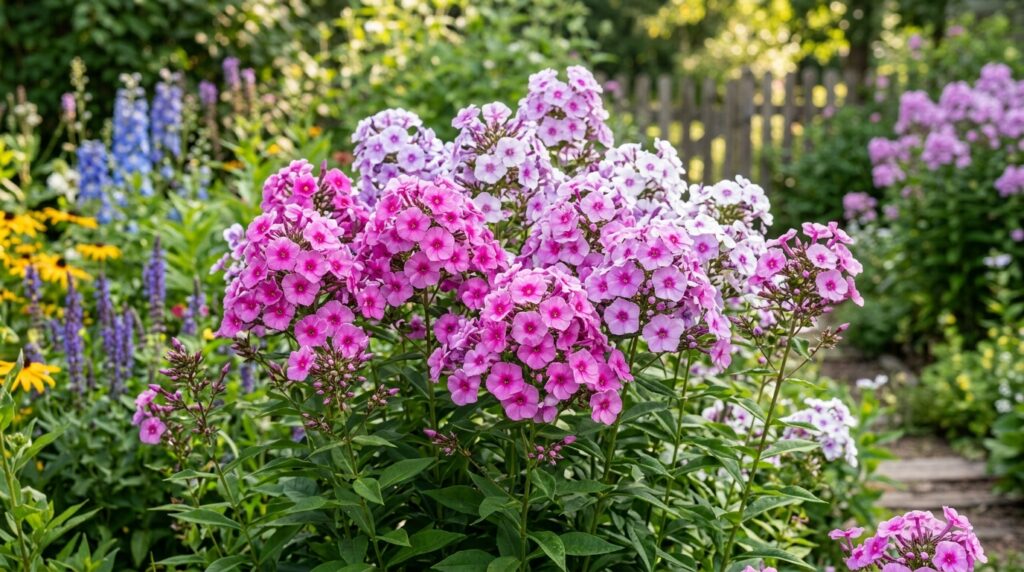
17. Garden Phlox
Garden phlox forms tall clusters of fragrant flowers in shades of pink, purple, and white, blooming through the heat of mid- to late summer when many other perennials are winding down. It’s a reliable pollinator magnet, and the fragrance carries nicely across a patio on a warm evening.
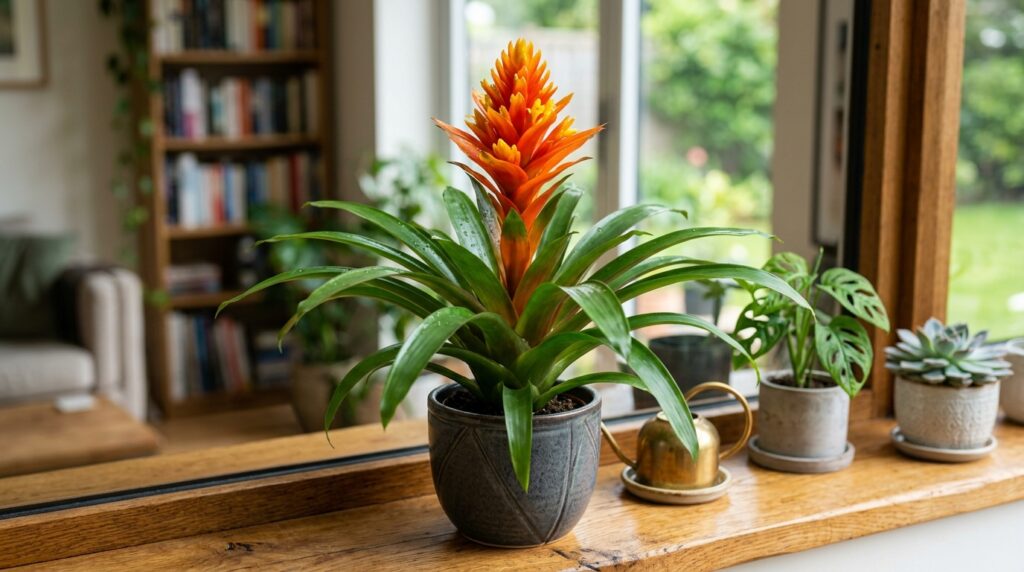
18. Guzmania
Guzmania is a bromeliad grown mainly as a houseplant, known for its bold, long-lasting bract in red, orange, or yellow rather than a traditional petal-based bloom. It’s a low-maintenance option if you want tropical color indoors without fussing over a finicky flowering plant.
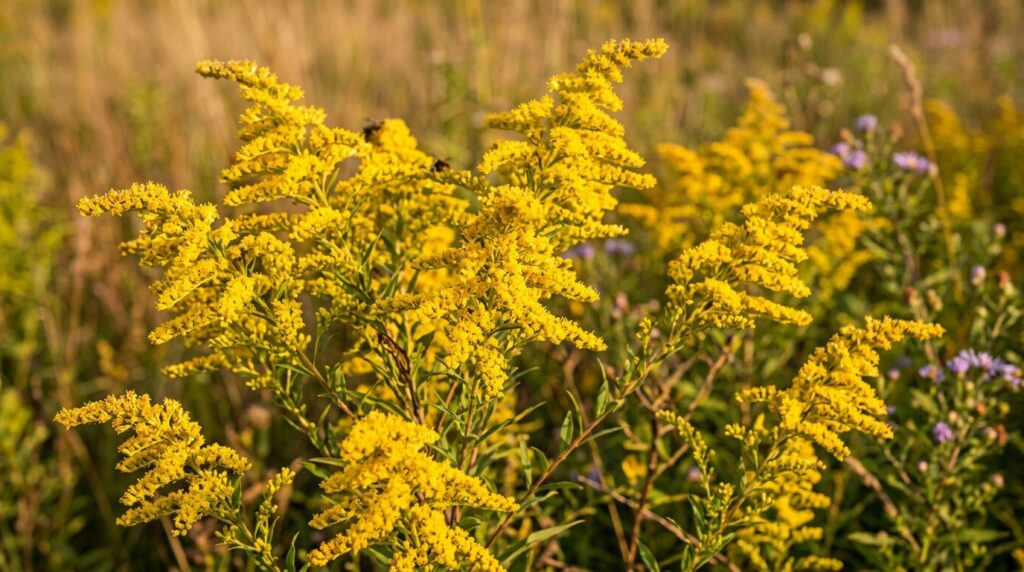
19. Goldenrod
Goldenrod is the plant most people mistake for. It’s covered in bright yellow blooms in late summer and fall, right when most of the garden is winding down, and it’s one of the most valuable native plants you can grow for pollinators. More on why below.
20. Green Rose
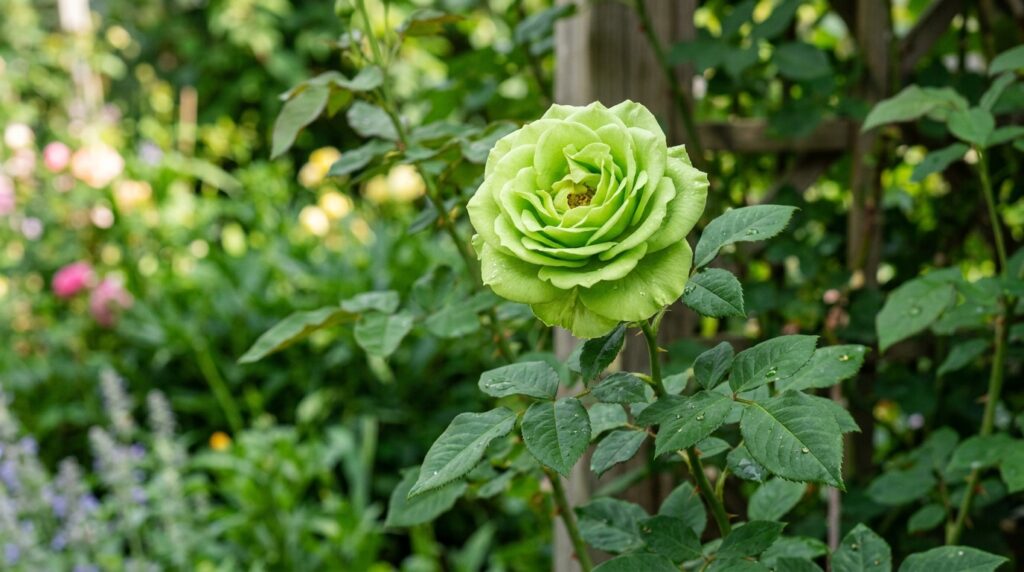
Green rose is a genuine oddity in the rose world. Instead of typical petals, it grows layered green sepals, giving the whole bloom an almost sculptural, all-foliage look. It’s a fun conversation piece for a collector’s bed, though it’s harder to find than a standard garden rose and worth seeking out from a specialty nursery.
The Most Fragrant Flower That Starts With G
If you’re searching for a fragrant flower that starts with G, gardenia is the clear answer. Its scent is strong enough to fill a room, which is exactly why it’s a staple in perfumery. Ginger lily comes in as a close second if you want something tropical instead of classic floral.
I’ll be honest, I tried keeping a potted gardenia indoors during a Michigan winter, and it sulked. Gardenias want humidity and consistent warmth. If your climate doesn’t offer that naturally, a bathroom with a bright window is often the best indoor spot, since the extra humidity helps it thrive.
Purple Flowers That Start With G
If purple is your color, you’ve got real options here.
- Grape Hyacinth brings that deep blue-purple grape cluster look in early spring.
- Gloxinia offers rich, velvety purple trumpet blooms as a houseplant.
- Gentian produces vivid blue-purple flowers and is a favorite among alpine and rock garden collectors.
- Globe Amaranth comes in purple varieties that dry beautifully for wreaths and arrangements.
Pairing a few of these together, say grape hyacinth under a gentian bed, gives you layered purple color from early spring right through summer.
What Do G Flowers Symbolize?
If you’re picking a flower to give as a gift, meaning matters. According to the history laid out by Longfield Gardens, gladiolus has long stood for strength, integrity, and remembrance, and its sword-shaped leaves gave rise to the old Victorian message “you pierce my heart,” a way of saying someone left a lasting impression on you.
Gardenia tends to symbolize purity and secret love, which is part of why it shows up so often in wedding bouquets and corsages. Geranium leans toward friendship and comfort, and you’ll still spot pots of them lining window boxes across Europe for exactly that reason.
Goldenrod carries a more modern meaning tied to encouragement and good fortune, likely because it blooms in gardens just as everything else is fading for the year. If you’re building a bouquet with intention rather than just color, these small details are worth knowing.
Best G Flowers by Growing Zone
Growing zones matter more than most beginner guides admit. Here’s a quick reference so you’re not guessing.
| Flower | Best USDA Zones | Sun Needs |
|---|---|---|
| Geranium | 3-11 (often grown as annual outside 9-11) | Full sun to part shade |
| Gladiolus | 7-10 (dig up corms in colder zones) | Full sun |
| Gardenia | 7-11 | Part sun, high humidity |
| Gerbera Daisy | 8-11 (annual elsewhere) | Full sun |
| Gazania | 8-11 | Full sun |
| Grape Hyacinth | 3-8 | Full sun to part shade |
| Goldenrod | 3-9 | Full sun to part shade |
If you’re not sure which zone you’re in, the USDA maintains an official, searchable Plant Hardiness Zone Map where you just enter your zip code. I check it every time I plan a new bed, since guessing your zone wrong is the fastest way to lose a plant over winter.
Common Mistakes People Make With G Flowers
I made most of these myself before I learned better.
- Planting gardenia in full, blazing afternoon sun. It wants bright light, but harsh afternoon sun scorches the leaves. Morning sun with afternoon shade works much better.
- Forgetting to lift gladiolus corms before winter in cold zones. I lost an entire row my first year because I assumed they’d survive underground. They didn’t.
- Overwatering gazania. This one wants dry spells between watering. Constant moisture leads to root rot fast.
- Ignoring goldenrod out of allergy fear. As covered below, that reputation isn’t earned, and skipping it means missing out on real pollinator support.
- Crowding geraniums too close together. Good airflow keeps fungal issues away, so give each plant a little breathing room.
G Flowers and Pet Safety
This is the part I wish more flower guides covered honestly. Not every pretty G flower is safe around dogs and cats. Gardenia, as mentioned earlier, is toxic to pets according to the ASPCA, though the reaction is usually mild.
Geranium is another one to watch. Several geranium species are also listed as toxic to cats and dogs by veterinary poison control resources, so if you have a curious puppy or an indoor cat that likes to nibble leaves, it’s worth checking your specific variety before planting it somewhere they roam.
If you want flowers you don’t have to worry about at all, gerbera daisy and gazania are both considered non-toxic options, which makes them safer picks for yards shared with pets.
Pollinator-Friendly G Flowers
Goldenrod deserves extra attention here, because it’s one of the most misunderstood plants on this entire list. Many people avoid it, assuming it causes hay fever. It doesn’t.
According to research summarized by Penn State Extension, goldenrod pollen is heavy and sticky, so it relies on insects for pollination rather than wind. The real allergy culprit blooming at the same time is ragweed, which spreads lightweight pollen through the air instead.
Goldenrod is also genuinely valuable for wildlife. The National Wildlife Federation notes that goldenrod supports well over a hundred butterfly and moth species in some regions, and it’s one of the last major nectar sources before winter, which matters a lot for late-season bees and migrating monarchs.
Gaillardia and Globe Amaranth also pull their weight for pollinators. If you’re building a garden bed specifically to support bees and butterflies, all three of these G flowers earn a spot.
How I Actually Use G Flowers In My Garden
I’ll walk you through my own layout, since a plan is usually more useful than a list. My front bed gets full sun most of the day, so I put geraniums and gazania there for season-long color that barely needs babysitting.
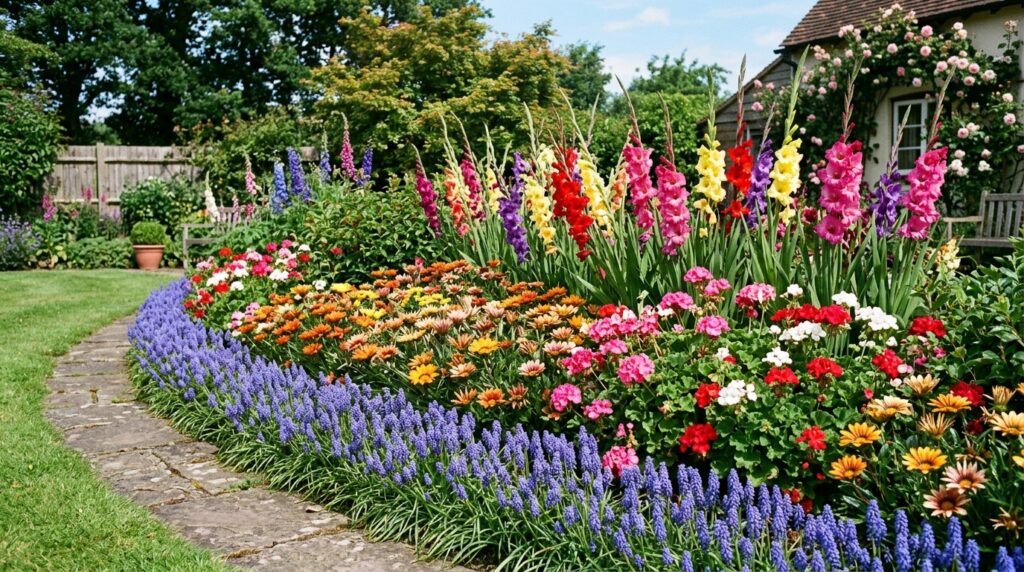
Along the side fence, where it’s shadier and more sheltered, I planted gladiolus in a staggered row so the blooms open at different times instead of all at once. That trick alone extended my cut-flower supply by almost three weeks.
Near the back porch, where I actually sit in the evenings, I keep a potted gardenia. That’s purely for the scent. I move it indoors before the first frost, since gardenias won’t survive a hard freeze outdoors in most of the country.
I also tucked a small patch of goldenrod near the back fence, mostly because I wanted to see the pollinator claims for myself. Within a couple of weeks, I genuinely could not walk past it without spotting at least three or four bees working the blooms at once. That single patch did more for the local bee traffic in my yard than everything else I’d planted combined.
One thing I’d tell a beginner: don’t try to plant every G flower in one season, like I nearly did. I ended up cramming gladiolus, geranium, gazania, and a gardenia into one bed my first year, and half of them fought for the same light and water. Now I plant in stages, one or two new flowers per season, so I can actually learn what each one needs before adding the next.
If you’re just getting your garden beds ready for new plantings like these, my guide on how to plant succulents covers soil prep tips that carry over well, even though succulents and G flowers have very different water needs. And if pollinators visit your feeders too, it’s worth reading how to keep bees away from hummingbird feeders so the two don’t compete in your yard.
Expert Tips for Growing G Flowers
- Match the flower to your climate first. Gardenia needs warmth and humidity, while grape hyacinth and gladiolus tolerate cooler regions just fine.
- Stake tall varieties early. Gladiolus spikes can reach several feet and topple in wind or rain if you wait too long to support them.
- Feed lightly, not heavily. Most G flowers, especially geranium and gazania, bloom better with moderate feeding rather than a heavy fertilizer routine. My guide on how to dose fertilizer for plants breaks this down if you’re unsure where to start.
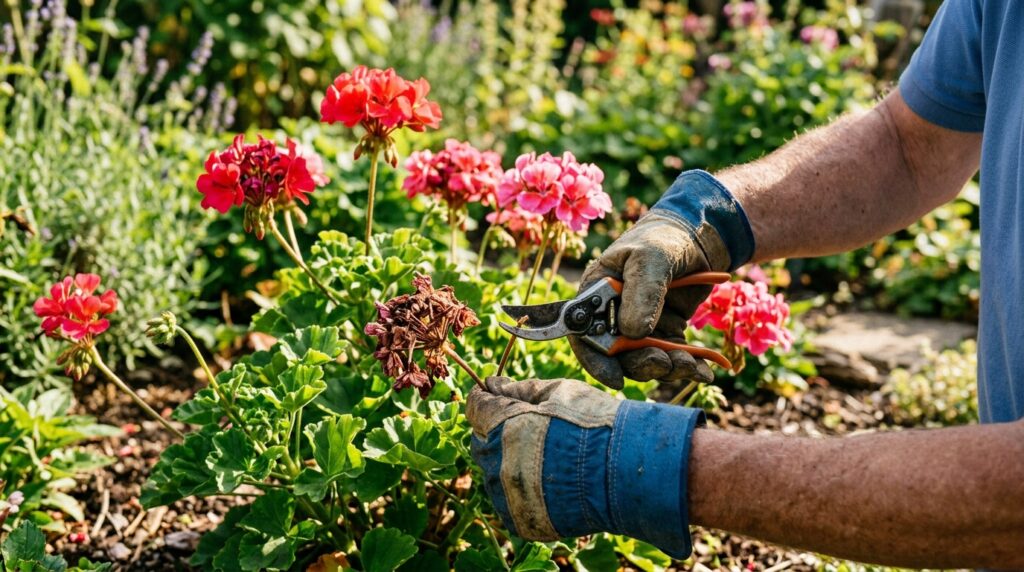
- Deadhead regularly. Removing spent blooms from geraniums, gazanias, and gerbera daisies keeps new flowers coming for months.
- Check pet toxicity before planting. A quick search using a resource like the ASPCA’s plant list can save you a stressful vet visit later.
Pros and Cons of Popular G Flowers
| Flower | Pros | Cons |
|---|---|---|
| Geranium | Easy care, long bloom season, many colors | Some species toxic to pets |
| Gladiolus | Dramatic height, great cut flower | Needs staking, not frost hardy |
| Gardenia | Intensely fragrant, elegant look | Toxic to pets, needs humidity |
| Gerbera Daisy | Bright color, pet safe, good in pots | Short-lived as a perennial in cold zones |
| Gazania | Drought-tolerant, heat-loving | Closes petals at night and on cloudy days |
| Goldenrod | Excellent for pollinators, low maintenance | Can spread aggressively if not managed |
How to Choose the Right G Flower for Your Garden
With this many options, it helps to narrow things down by focusing on what you actually want from the flower, rather than just picking whatever looks nice in a photo.
If you want low-maintenance color that lasts all season, go with geranium or gazania. Both tolerate a bit of neglect and keep blooming without much fuss. If you’re after fragrance to enjoy on a porch or near a window, gardenia and ginger lily are the two to prioritize, as long as your climate or a container setup can provide the humidity they want.
For cut flowers you can bring inside, gladiolus and gerbera daisy hold up the longest in a vase, often lasting a full week or more with a fresh cut and clean water. And if your goal is supporting bees, butterflies, and the broader garden ecosystem, goldenrod and gaillardia genuinely outperform most of the flashier options on this list.
I’d also factor in how much space you actually have. Gladiolus needs room to grow tall without shading out shorter neighbors, while grape hyacinth and snowdrops can be tucked into tiny gaps between other plants since they finish blooming so early in the season.
Caring for G Flowers Through the Seasons
Care needs shift throughout the year, and this is where many beginner gardeners, myself included, lose plants unnecessarily.
Spring is planting season for most bulbs on this list. Plant grape hyacinth, snowdrop, and gladiolus corms once the soil is workable. This is also when you’ll see the earliest blooms, since snowdrops and grape hyacinth often show up before the last frost has fully passed.
Summer is peak bloom time for geranium, gazania, gaillardia, and garden phlox. This is also when watering discipline matters most. Deep, infrequent watering beats a light daily sprinkle, since it encourages roots to grow deeper and makes the plant more drought-resilient.
Fall is when goldenrod and garden phlox take over as the main color source, right as everything else starts fading. It’s also the time to dig up gladiolus corms in colder zones before the ground freezes and to plant new bulbs for next spring, such as grape hyacinth and snowdrop, while the soil is still workable.
Winter is mostly about protection. Move potted gardenias indoors before frost, mulch around perennial geranium and gaillardia roots in colder zones, and store lifted gladiolus corms in a cool, dry, dark place until spring.
Frequently Asked Questions
What are the most popular G flowers?
Geranium, gladiolus, gardenia, gerbera daisy, and gazania are the most searched and most commonly planted G flowers in home gardens.
What is a fragrant flower that starts with G?
Gardenia is the most fragrant of the G flowers, known for its heavy, sweet scent. Ginger lily is a strong runner-up for warm, humid climates.
Are any flowers that start with G toxic to pets?
Yes. Gardenia and some geranium species are listed by the ASPCA as toxic to dogs and cats, often causing mild vomiting or skin irritation if chewed.
Which G flowers are best for pollinators?
Goldenrod, gaillardia, and globe amaranth are strong pollinator plants that attract bees, butterflies, and other beneficial insects.
Can I grow gladiolus in a cold climate?
Yes, but you’ll need to dig up the corms before the first hard frost, store them indoors over winter, and replant them once the ground warms up in spring.
Final Thoughts
Flowers that start with G cover an enormous range, from the quiet, drought-proof gazania to the bold, sword-shaped gladiolus. My honest advice, after growing several of these myself, is to pick based on your actual conditions first and the flower’s looks second. A gorgeous gardenia in the wrong climate will only frustrate you.
If this list helped you plan your garden, take a look at my companion guide on flowers that start with F for more alphabet-based garden inspiration, or browse dark flowers if you want to build out a moodier color palette next. Happy planting.