


25 Flowers That Start With M for Gardens, Pots, and Plant Lovers
Marigold, magnolia, moonflower, and mums are some of the best-known flowers that start with M. Look a little further, and you will find spring bulbs, flowering shrubs, climbing vines, and an orchid you can grow indoors. There is plenty to choose from, but these plants need very different homes.
The 25 entries below each cover a distinct plant or plant group, with alternate names kept together. Most use common names, while Muscari is a botanical name you will often see on bulb packets. Botanical names are included throughout because a familiar name can sometimes lead you to the wrong plant.
What to know before choosing
- Marigolds, million bells, and moss rose are useful options for sunny seasonal containers.
- Magnolia, mock orange, and mountain laurel are woody plants, not small bedding flowers.
- Marsh marigold needs wet conditions; moss rose needs excellent drainage.
- White-flowered choices include moonflower, mock orange, southern magnolia, and moth orchid.
- Monkshood and mountain laurel have serious toxicity concerns.
- Bloom timing and outdoor survival vary by species, cultivar, and climate.
Flowers That Start With M: Complete Quick-Reference List
Looking for a name rather than planting advice? Start with this table, then check the profile for the plant that interests you. Colors refer to the species or selections covered here, and a perennial label does not mean the plant will survive every climate.
Compare all 25 M flower names
| Flower | Typical colors | Plant type |
|---|---|---|
| Magnolia | Creamy white in southern magnolia | Tree; some other magnolias are shrubs |
| Mallow | Pink to mauve | Herbaceous perennial; longevity varies |
| Maltese cross | Usually scarlet | Herbaceous perennial |
| Mandevilla | Pink, red, white, yellow | Tender climber or compact container plant |
| Marguerite daisy | White, pink, yellow | Tender perennial, often seasonal |
| Marigold | Yellow, orange, red blends | Warm-season annual |
| Marsh marigold | Yellow | Wetland perennial |
| Masterwort | White, pink, red shades | Herbaceous perennial |
| Meadow rue | Lavender-pink | Tall herbaceous perennial |
| Meadowsweet | White in Spiraea alba | Deciduous shrub |
| Mexican bush sage | Purple, often with white | Tender perennial or subshrub |
| Mexican hat | Yellow or reddish-brown blends | Prairie perennial |
| Mexican sunflower | Orange to orange-red | Warm-season annual |
| Michaelmas daisy | Purple shades; cultivars vary | Herbaceous perennial |
| Milkweed | Orange in Asclepias tuberosa | Herbaceous perennial |
| Million bells | Many colors and combinations | Tender perennial, often seasonal |
| Mock orange | White | Deciduous shrub |
| Monkshood | Usually blue to violet | Herbaceous perennial; highly poisonous |
| Moonflower | White in Ipomoea alba | Tender climbing vine |
| Morning glory | Purple; cultivar colors vary | Annual climbing vine in I. purpurea |
| Moss rose | Pink, red, orange, yellow, white | Low-growing warm-season annual |
| Moth orchid | White, pink, purple, yellow | Tropical perennial, usually grown indoors |
| Mountain laurel | White to pink | Evergreen shrub; poisonous |
| Mums | White, yellow, orange, purple and more | Perennial hybrids; hardiness varies |
| Muscari | Usually violet-blue | Spring-flowering bulb |
25 Flowers That Start With the Letter M
1. Magnolia
Botanical example: Magnolia grandiflora
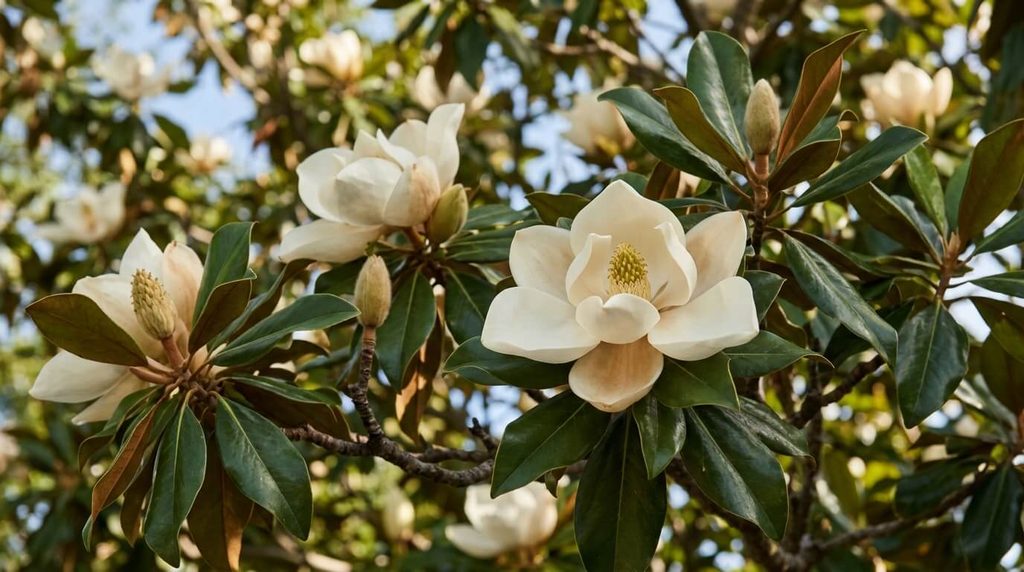
Southern magnolia is hard to miss when its creamy white flowers open against those dark, glossy leaves. The blooms are fragrant, with the main display starting in late spring and more flowers appearing through summer. If you have a pink-flowering magnolia that blooms before its leaves emerge, you are looking at a different species or hybrid.
The first thing to check is space. A full-size southern magnolia can reach roughly 60 to 80 feet tall, so it is a landscape tree rather than a small border plant. Smaller cultivars are available, but check their mature height and spread before planting beside a house.
2. Mallow
Botanical example: Malva sylvestris
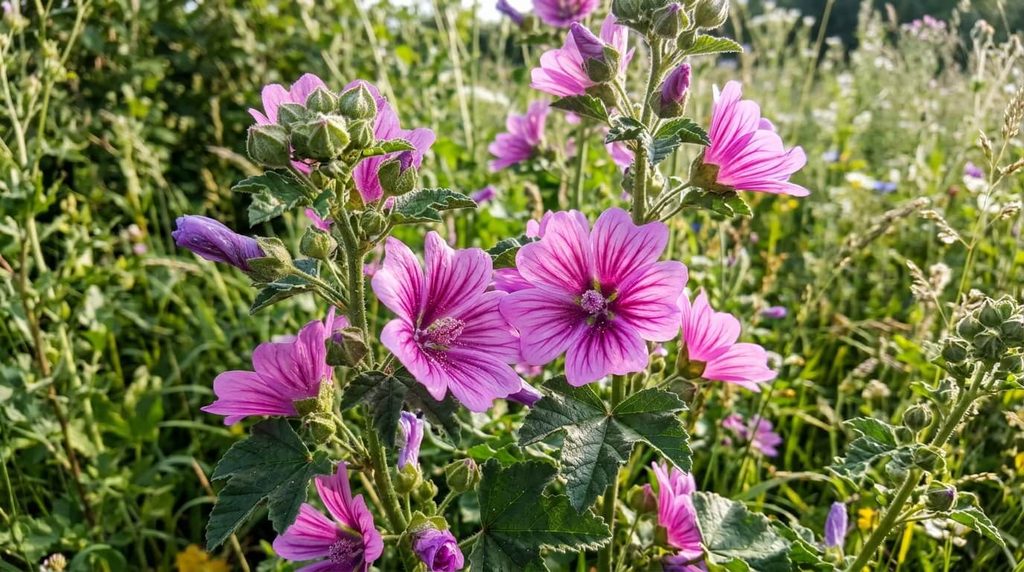
The darker veins on mallow’s pink-to-mauve petals make the flowers easy to pick out. They appear along upright stems through summer and into fall. The plant has a loose, informal shape that feels at home in a cottage garden.
Give it a sunny spot with drainage and room to grow. It is not a neat little edging plant, so avoid squeezing it between low-growing neighbors. Before letting it set seed freely, check whether common mallow is a problem in your area.
3. Maltese Cross
Botanical name: Silene chalcedonica, also sold as Lychnis chalcedonica
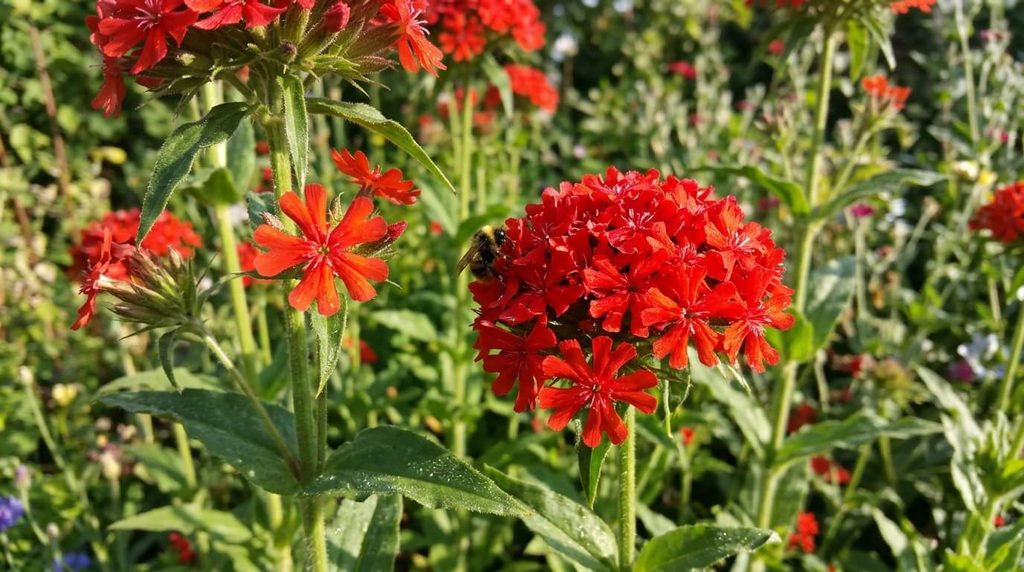
Maltese cross brings a strong patch of scarlet to a summer border. Look closely, and you can see the cross-like outline of the small flowers packed into each cluster. The flower heads sit above upright, leafy stems.
Sun or light partial shade and reasonably moist, well-drained soil suit it. In an exposed position, taller stems may need support. You may still find it sold as Lychnis chalcedonica; that is the older name for the same plant, not another flower to add to the count.
4. Mandevilla
Botanical group: Mandevilla species and hybrids
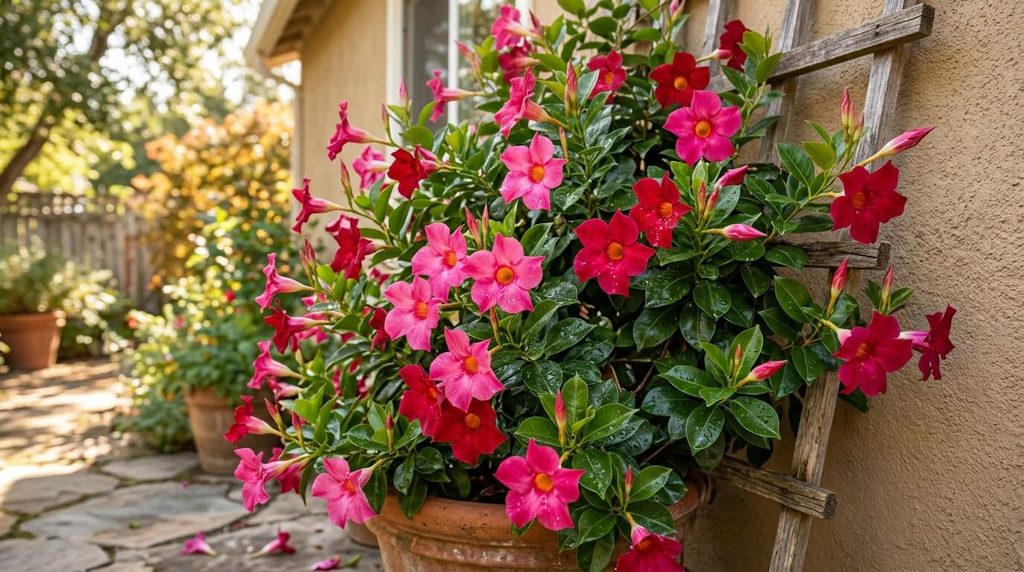
A mandevilla can make a plain patio support look much more inviting. Its trumpet-shaped flowers come in pink, red, white, or yellow, depending on the selection. Some plants climb, while newer compact forms suit smaller containers.
Check the label before deciding whether it needs a trellis. In areas with freezing winters, plan to treat it as a seasonal plant or provide suitable protected conditions. Wear gloves when handling it, as the mandevilla growing instructions warn that its milky sap can irritate skin.
5. Marguerite Daisy
Botanical name: Argyranthemum frutescens and its cultivars
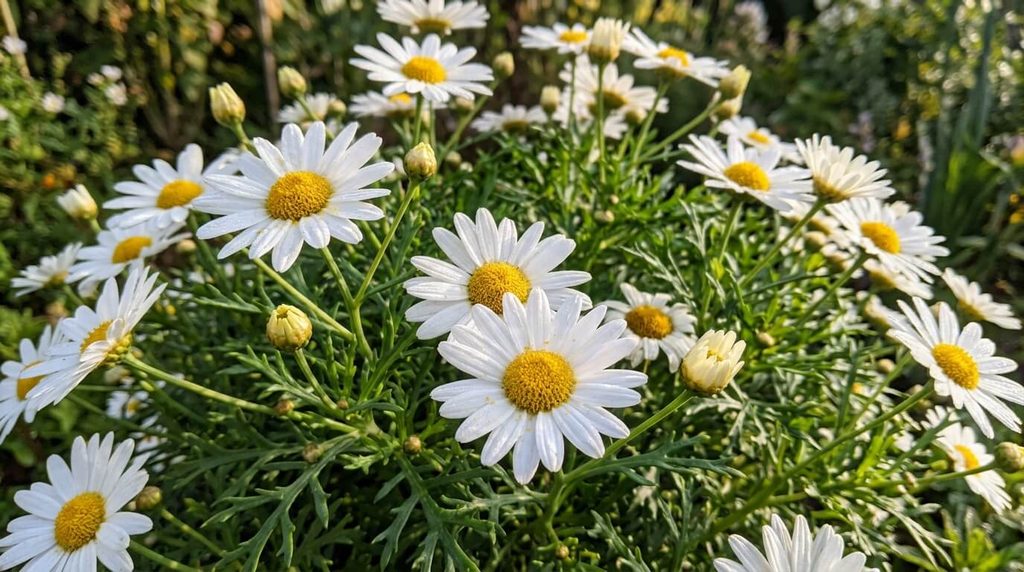
Marguerite daisies have the simple flower shape many people picture when they hear “daisy.” A yellow center is surrounded by white, pink, or yellow ray florets, depending on the cultivar. Finely divided leaves soften the look of the whole plant.
A sunny pot or well-drained border is a good place to start. Remove faded flowers to keep the plant tidy and help the display continue. It is a tender perennial or subshrub, although gardeners in colder climates often grow it for one season.
6. Marigold
Botanical example: Tagetes patula
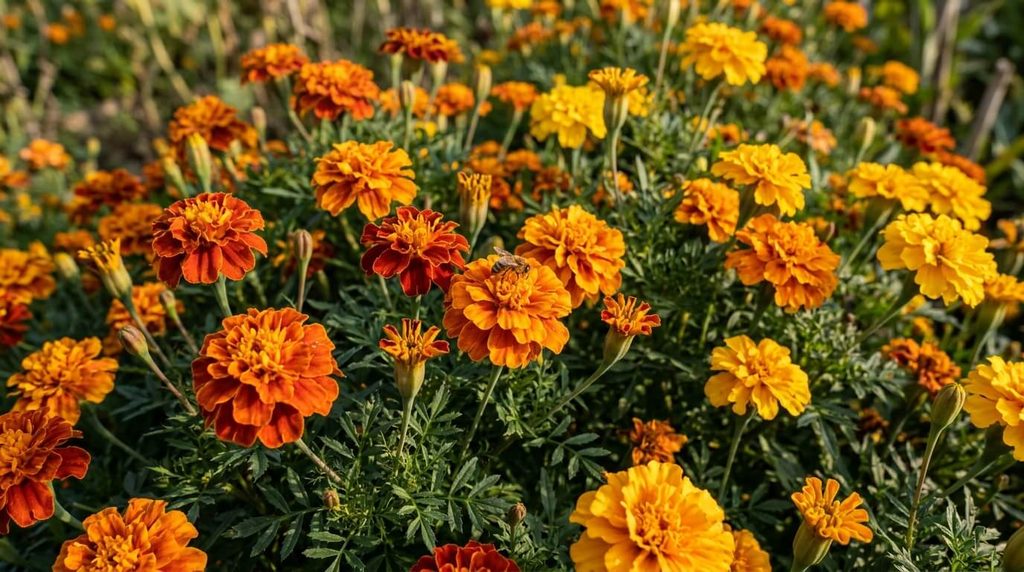
For a small sunny pot, French marigolds are a sensible first choice. Their yellow, orange, and red-blended flowers range from open, simple faces to densely layered heads. The plants stay compact enough for the front of a bed.
Wait until frost danger has passed before planting them outdoors. Water young plants while they establish, keep the soil draining freely, and remove faded blooms. Despite their shared names, Tagetes marigolds, calendula, and marsh marigold are different plants.
7. Marsh Marigold
Botanical name: Caltha palustris
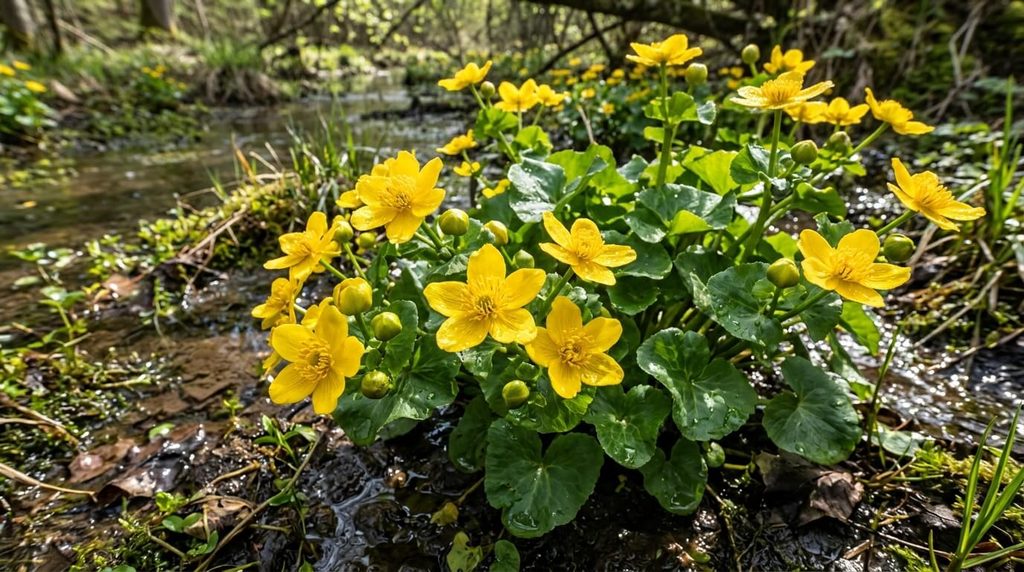
Marsh marigold is the one to consider when the planting spot stays wet. It opens bright yellow flowers in spring above rounded green leaves. It belongs to the buttercup family, not the Tagetes group sold as summer bedding marigolds.
A pond edge or consistently moist to wet garden suits it better than a dry flower bed. The foliage may die back into dormancy in summer heat. Check the marsh marigold plant profile for its moisture needs and poisoning concerns, and do not treat it as an edible flower.
8. Masterwort
Botanical name: Astrantia major
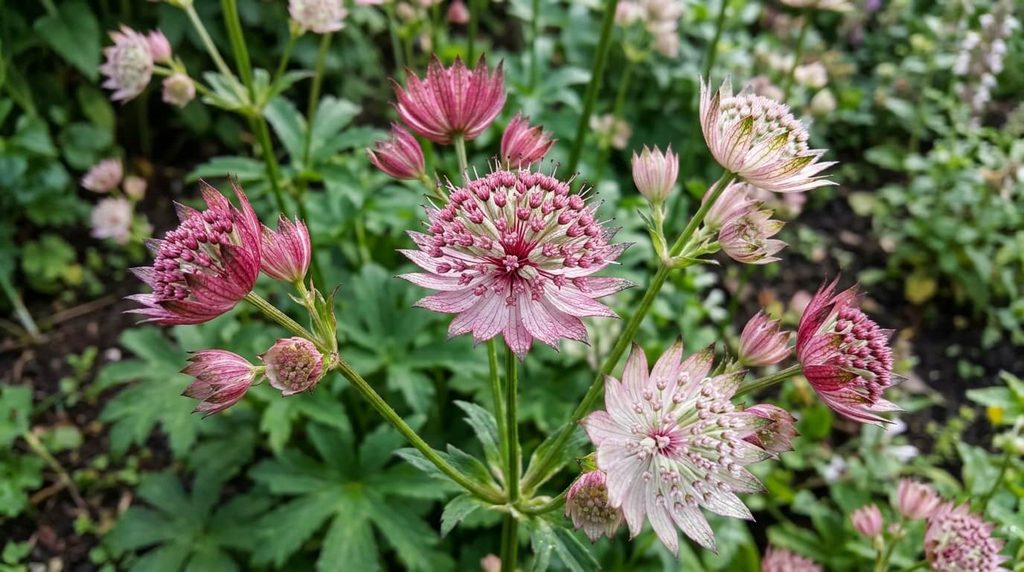
Masterwort rewards a closer look. Each flower head has a cluster of tiny flowers surrounded by papery bracts that resemble petals. White, pink, and deeper red selections blend easily among showier summer flowers.
It is worth considering for a moist border with some shade during strong summer sun. An exposed spot that repeatedly dries out is a much poorer fit. The masterwort growing profile explains both its unusual flowers and the conditions it prefers.
9. Meadow Rue
Botanical example: Thalictrum rochebrunianum
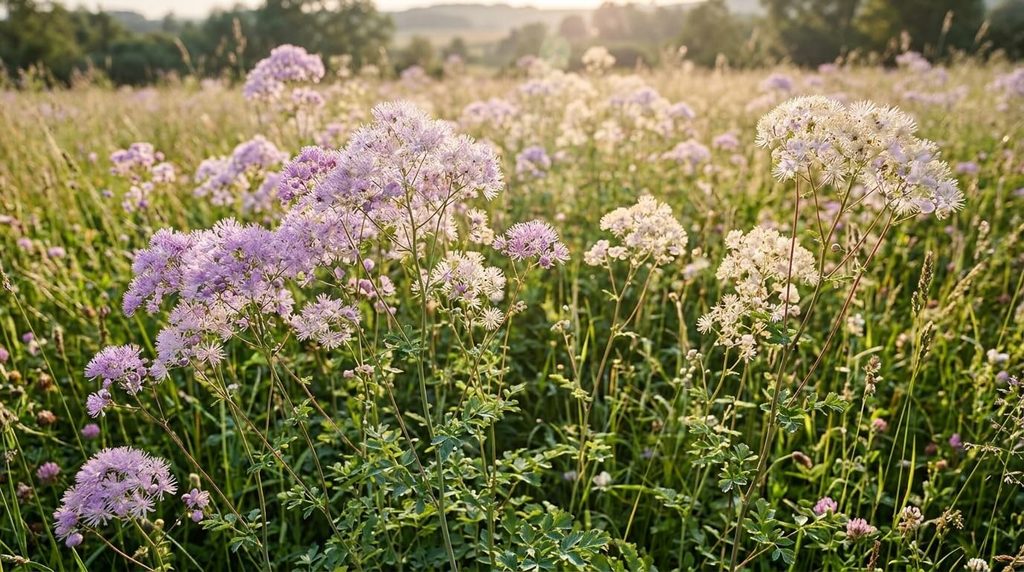
Meadow rue adds height without making a border look crowded. This species carries loose clusters of lavender-pink flowers with dangling yellow stamens. You can still see the plants behind its slender stems.
Give it moist, humus-rich soil and partial shade. It works better among other border plants than as a small patio-pot specimen. Check the selection’s expected height and flowering season before choosing its position.
10. Meadowsweet
Botanical example: Spiraea alba
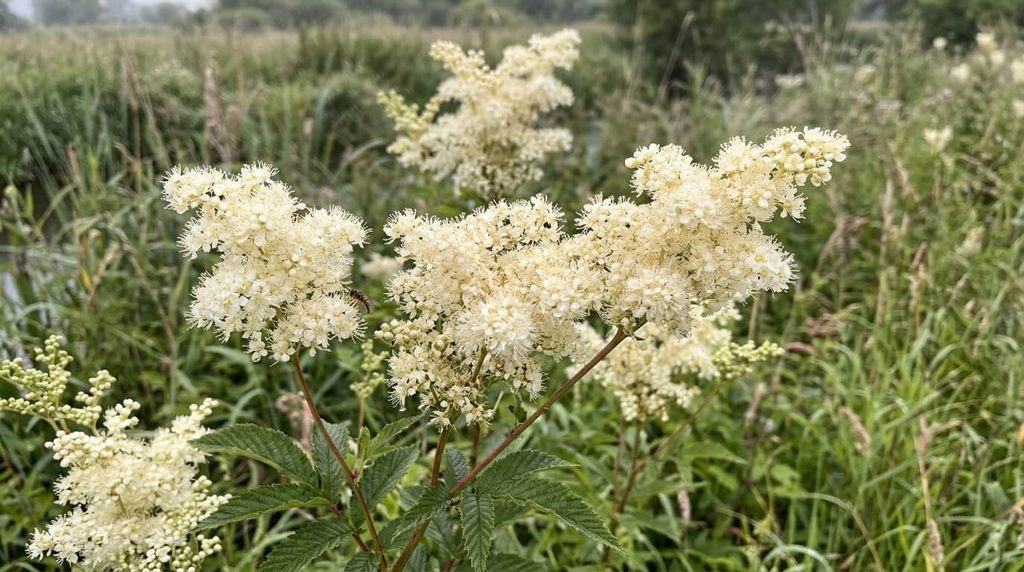
For this guide, meadowsweet means Spiraea alba, a North American deciduous shrub. Its small white flowers form clusters in summer and attract visiting pollinators. Unlike mallow or masterwort, it keeps a woody framework.
A moist shrub border or a suitable rain-garden edge makes more sense than a dry, exposed bed. Give it sun and avoid a site that stays parched. Check the botanical label carefully, because plants called meadowsweet also occur in the genus Filipendula.
11. Mexican Bush Sage
Botanical name: Salvia leucantha
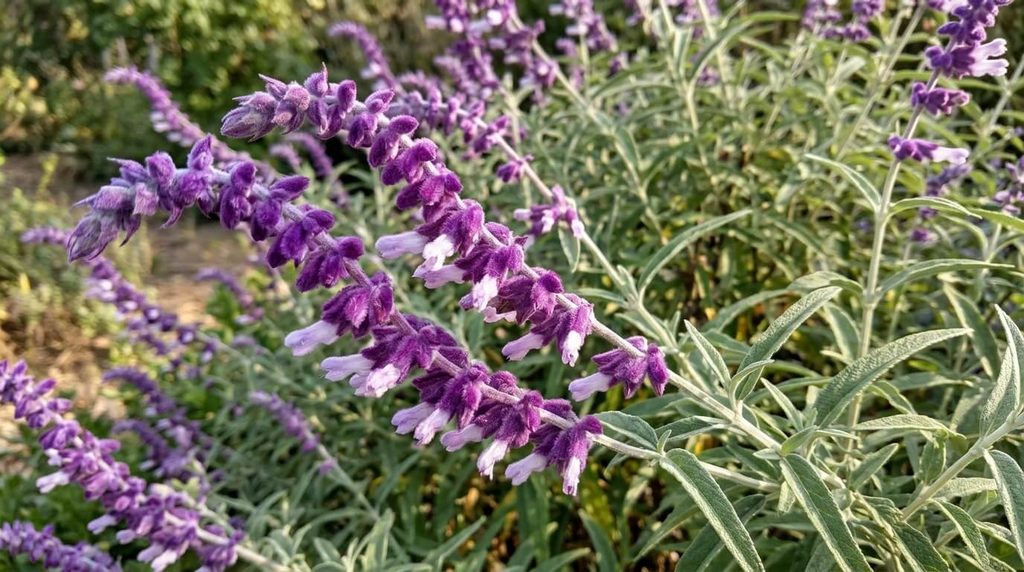
Mexican bush sage comes into its own toward the end of summer. Its soft-looking purple spikes often hold small white flowers, creating a two-tone effect. Arching stems bring movement to the border as earlier flowers fade.
Allow room for the plant’s spreading shape and provide well-drained soil. Established plants can cope with some drought, but new ones still need water. Whether it survives outdoors through winter depends on your climate, so check local hardiness before planting it as a permanent feature.
12. Mexican Hat
Botanical name: Ratibida columnifera
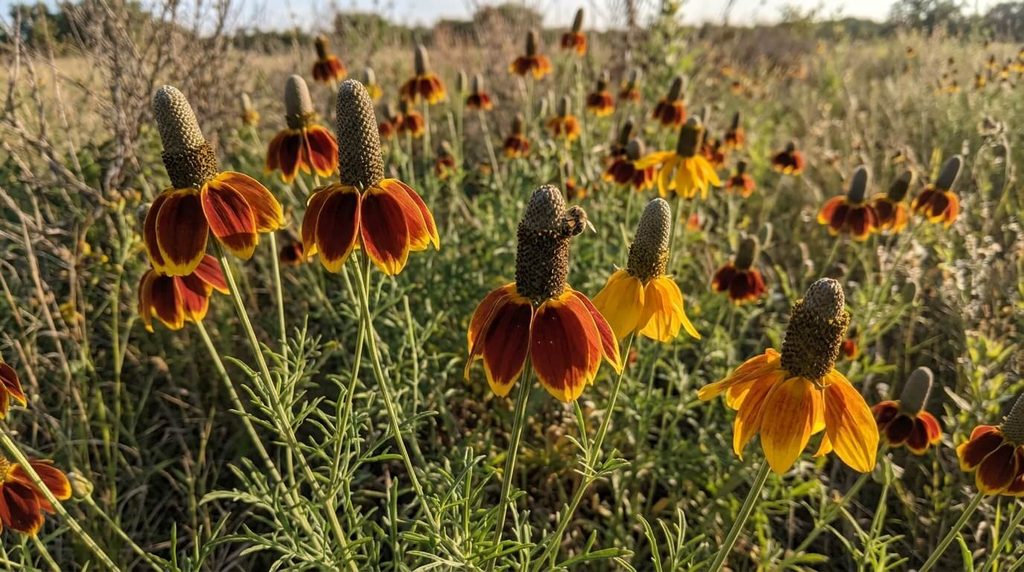
The tall center and drooping ray florets give Mexican hat a shape you can recognize at a glance. The rays may be yellow or reddish-brown with yellow markings. This summer-flowering perennial fits naturally into a prairie-style planting.
Choose sun and good drainage rather than a rich, heavily fed bed. Once established, it handles dry conditions well. If you are planting specifically for a native garden, confirm that its native range includes your region.
13. Mexican Sunflower
Botanical name: Tithonia rotundifolia
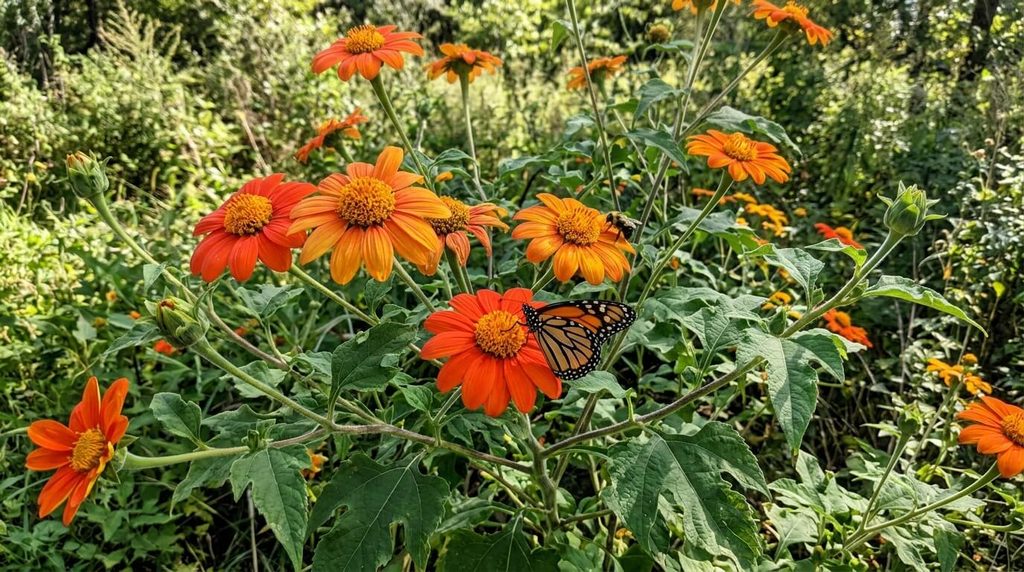
Mexican sunflower is a good candidate when you want orange flowers rising above smaller plants. It grows quickly, flowers from midsummer into fall, and draws butterflies and other pollinators. Many selections reach roughly 3 to 6 feet tall.
Sow or plant outdoors after frost danger has passed, in full sun. Check the cultivar’s height first, especially if you are shopping for a patio container. Taller plants may need staking where wind can catch them.
14. Michaelmas Daisy
Botanical example: Symphyotrichum novi-belgii
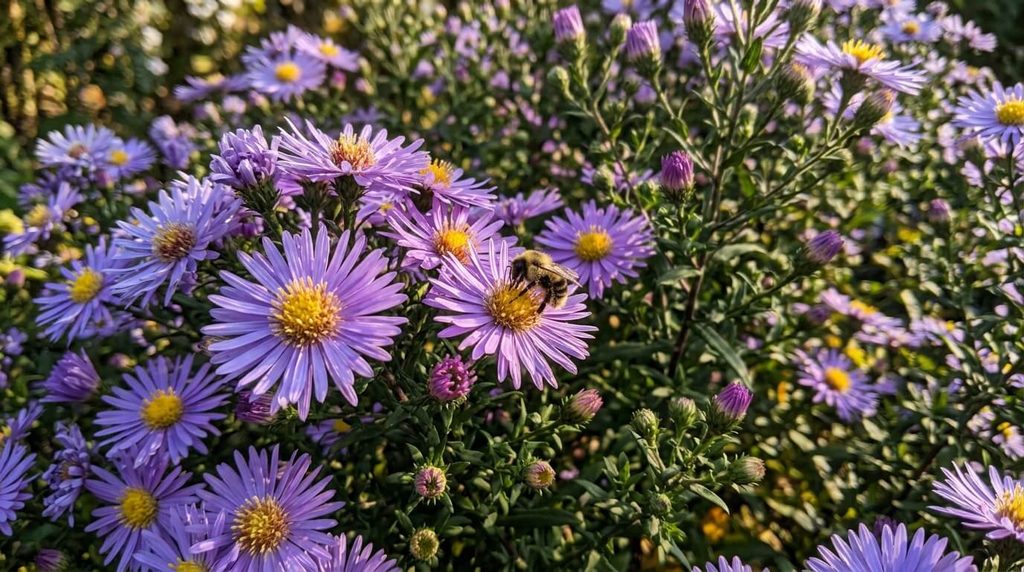
Michaelmas daisy is one of those common names that needs a second look at the label. Several asters use it, including the New York aster featured here. This species has daisy-like heads with yellow centers and purple-toned rays, while garden selections vary in color.
Its late flowers are useful when the summer display is winding down. Give it sun, suitable moisture, and room for air to move between plants. Powdery mildew can affect asters, so avoid packing them into a crowded, poorly ventilated border.
15. Milkweed
Botanical example: Asclepias tuberosa
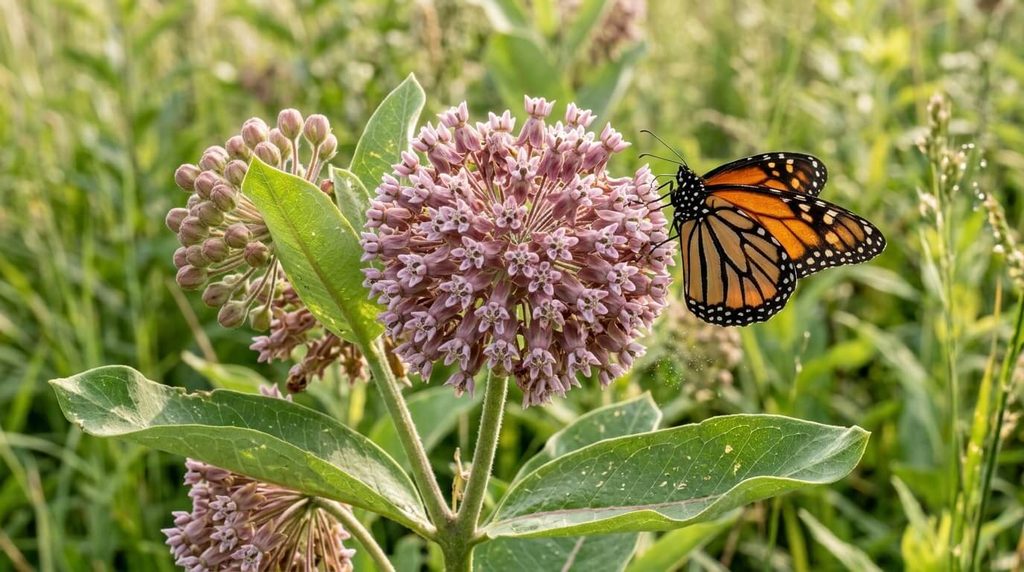
The milkweed featured here is butterfly milkweed, with clusters of orange summer flowers. It is one of several species sold under the milkweed name. Its upright stems and clustered blooms look quite different from the nearby Mexican hat and Mexican sunflower entries.
For Asclepias tuberosa, choose sun and well-drained soil. Think through the position before planting, because the deep roots make an established plant difficult to move. Choose a milkweed suited to your region, and remember that these are ornamental and habitat plants, not edible flowers.
16. Million Bells
Botanical group: Calibrachoa hybrids
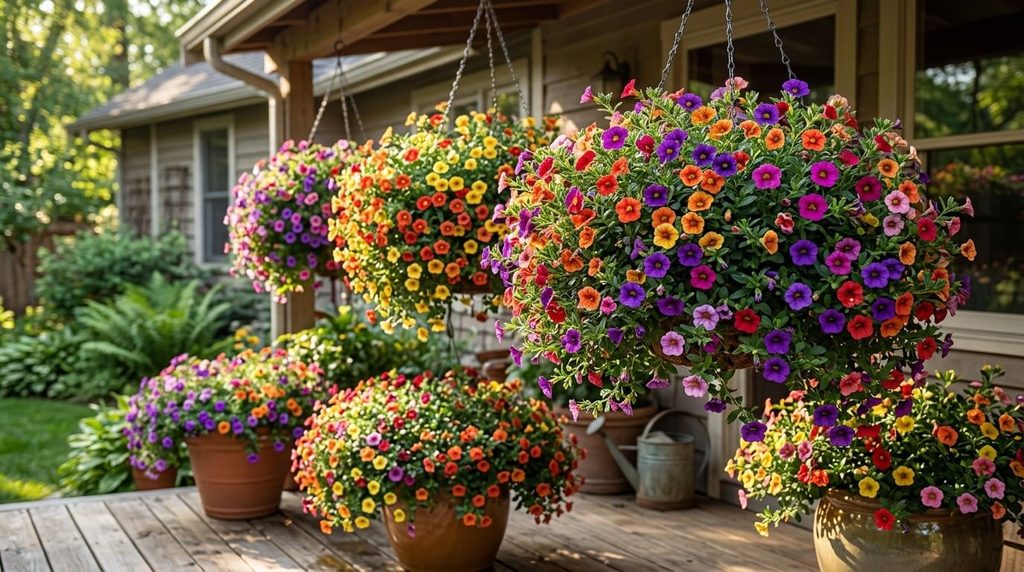
Million Bells earns its name from the sheer number of small flowers it produces. The blooms look like miniature petunias and come in many colors and combinations. Trailing stems make it especially useful around the edge of a container or hanging basket.
Give it plenty of light, regular attention to watering, and a freely draining container mix. Feed according to the fertilizer label rather than guessing at the dose. You do not have to pick off every old flower to keep it blooming, as the million bells growing profile explains.
17. Mock Orange
Botanical example: Philadelphus coronarius
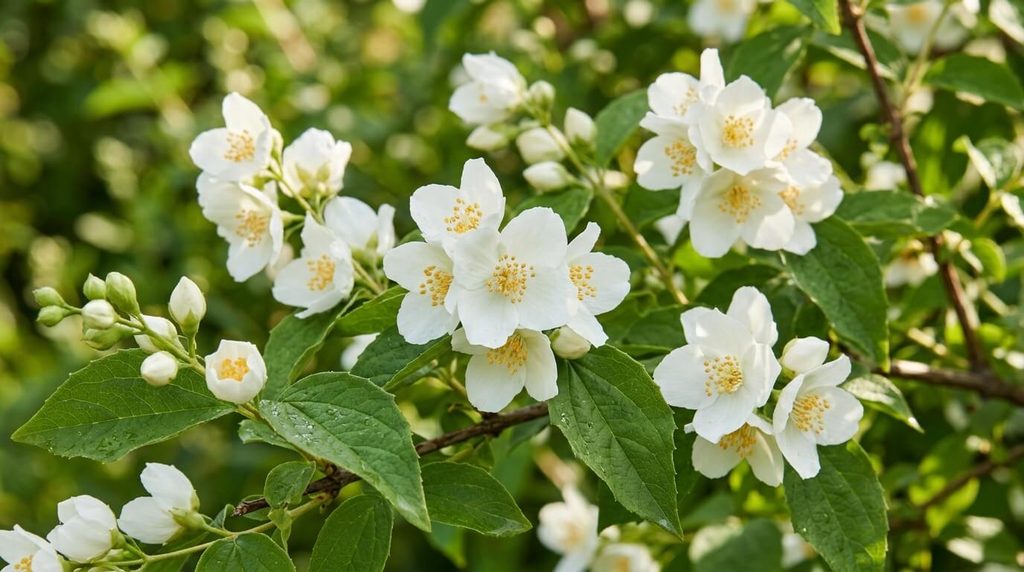
The attraction of sweet mock orange is as much its fragrance as its white late-spring flowers. The blooms resemble orange blossom, but this is not a citrus shrub. Its arching branches need more room than a small bedding plant.
Choose sun or partial shade and well-drained soil. If it needs shaping, prune after flowering so you do not remove the growth that will carry next year’s blooms. Check the cultivar’s eventual size before placing it in a narrow bed beside the house.
18. Monkshood
Botanical group: Aconitum species, including Aconitum napellus
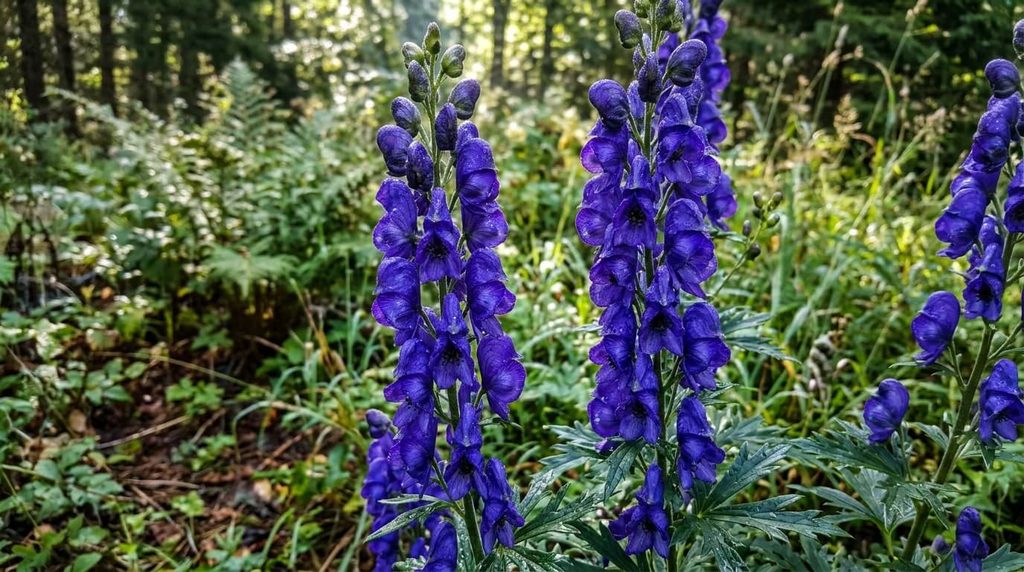
The hooded blue or violet flowers make monkshood distinctive. Flowering time varies among Aconitum species, so check which one you are buying. These perennials generally prefer cooler conditions and moist, well-drained soil.
Beauty is not the only consideration with this plant. Monkshood is highly poisonous and is a poor casual choice for a family play area or anywhere plant material might be eaten. Read the monkshood poisoning information and understand handling precautions before deciding to grow it.
19. Moonflower
Botanical name used here: Ipomoea alba
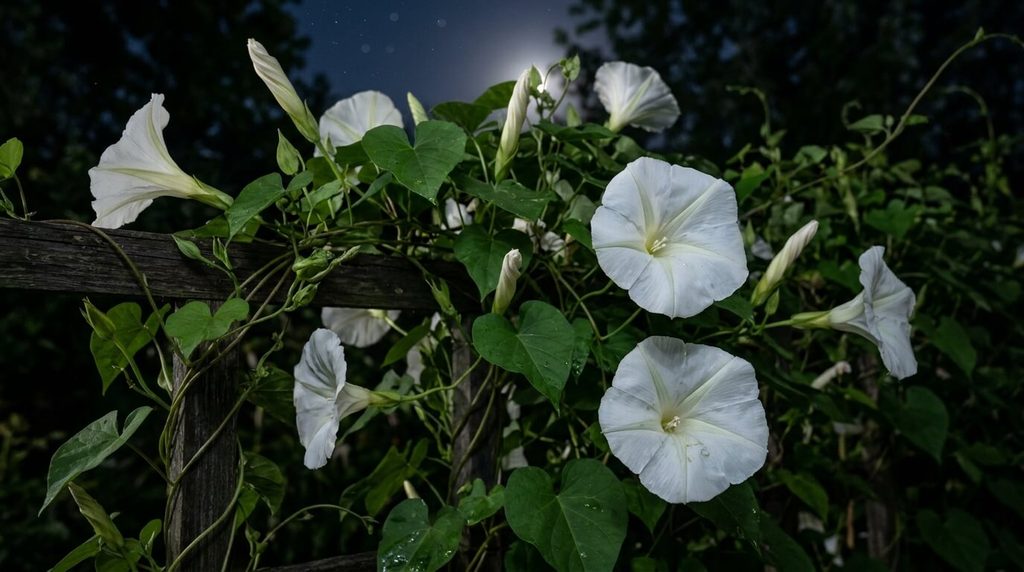
If you spend time outside in the evening, moonflower is one of the more interesting names on this list. The Ipomoea alba vine opens large, fragrant white trumpets as daylight fades. Heart-shaped leaves and twining stems help distinguish it from other plants that share the name.
Give the vine a support, sun, and well-drained soil once cold weather has passed. Check the moonflower identification profile rather than assuming the name tells you everything about its care or safety. Ipomoea alba has poisoning concerns, and Datura plants, also called moonflower, are different plants with serious toxicity concerns.
20. Morning Glory
Botanical example: Ipomoea purpurea
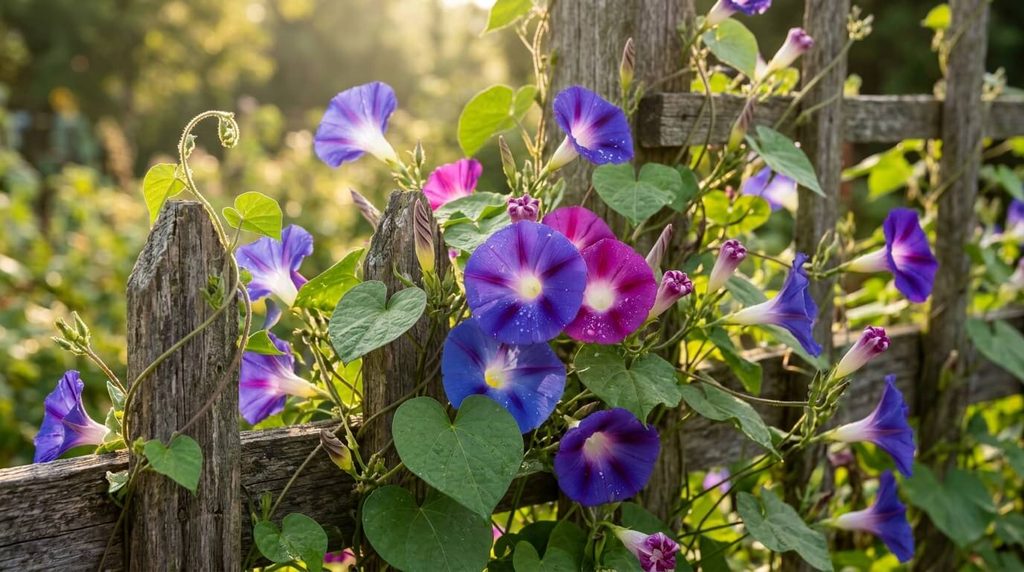
Morning glory gives you the opposite viewing schedule from moonflower. Its trumpet-shaped blooms open in the morning and usually close later in the day. Purple is characteristic of Ipomoea purpurea, although garden selections offer other colors.
Set up a trellis before the vine starts reaching through neighboring plants. It needs sun and enough space for its twining growth. Check local weed or invasive-plant guidance before letting it seed freely, and keep seeds and other plant parts out of food use.
21. Moss Rose
Botanical name: Portulaca grandiflora
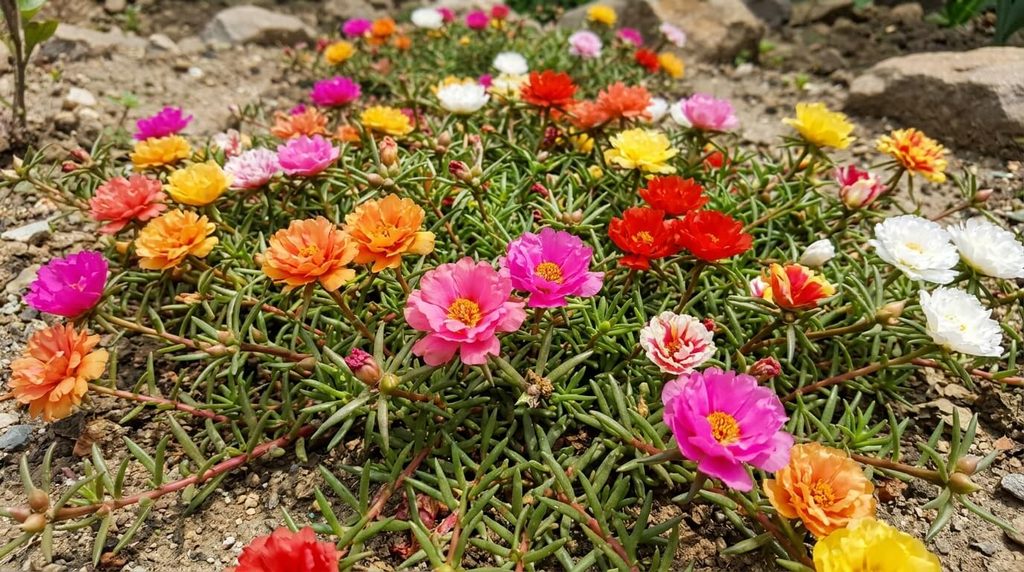
Moss rose is a useful little plant for a sunny spot with quick drainage. Narrow, fleshy leaves sit beneath bright flowers in pink, red, orange, yellow, or white. Both single and double flower forms are available.
A constantly wet pot is a much bigger problem for it than a dry spell once established. Give it excellent drainage and plenty of sun. Many flowers close at night or in cloudy weather, which is worth remembering if you mostly enjoy your garden in the evening.
22. Moth Orchid
Botanical group: Phalaenopsis species and hybrids
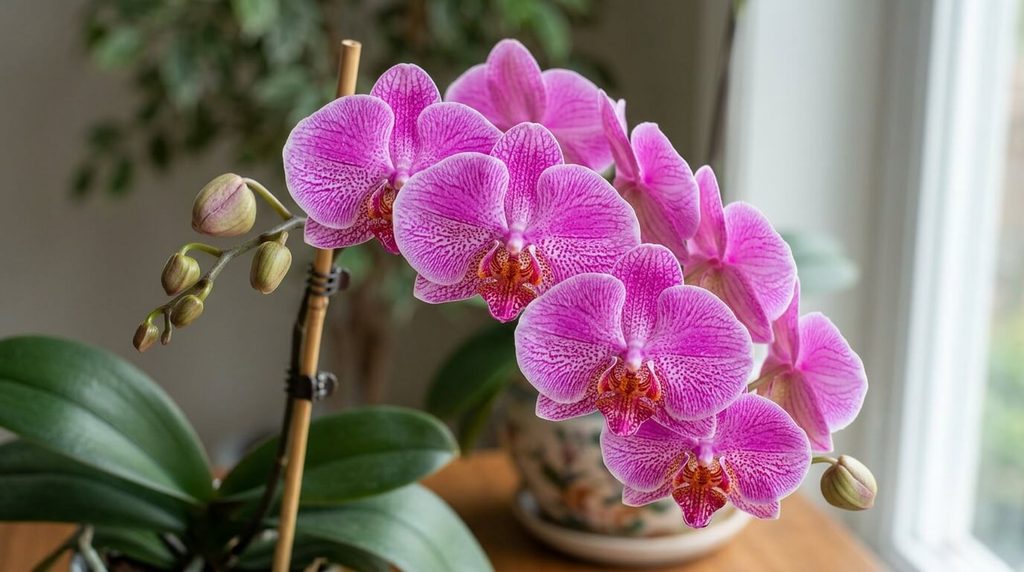
The moth orchid is the familiar shop-and-windowsill orchid with broad flowers along an arching stem. White, pink, purple, yellow, and patterned forms are widely grown. It qualifies for this list through its common name, even though its botanical name is Phalaenopsis.
Use an airy orchid medium, commonly bark-based, and provide suitable indoor light. Let the pot drain fully instead of hiding it in a decorative sleeve full of water. Its care is quite different from the sunny outdoor annuals in this guide, so do not put all your M flowers on the same routine.
23. Mountain Laurel
Botanical name: Kalmia latifolia
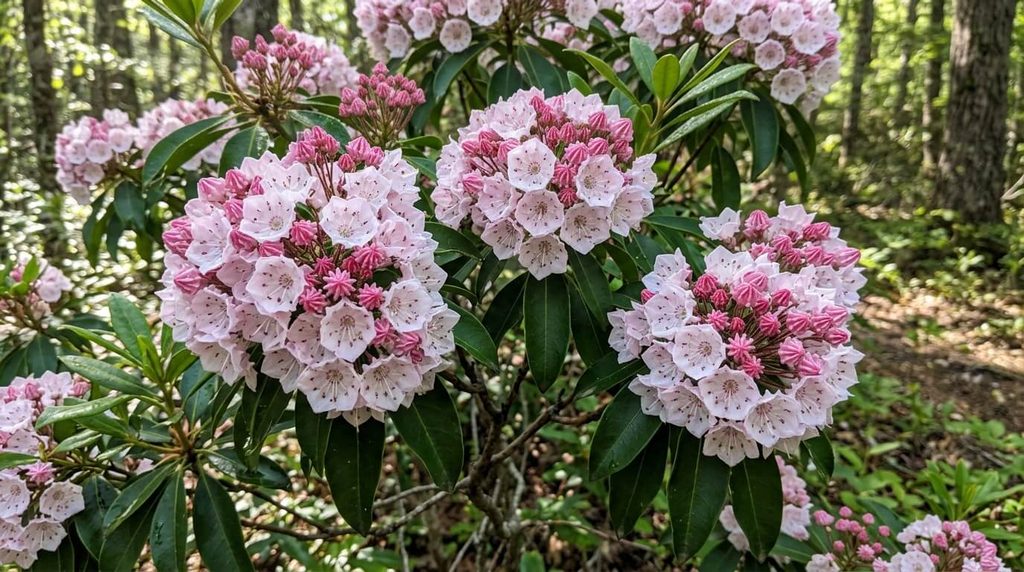
Mountain laurel has patterned, cup-like flowers that are worth examining up close. White to pink clusters open in late spring or early summer, with attractive buds before them. The evergreen shrub is native to eastern North America.
It generally does best in acidic, moist, well-drained soil with partial shade. Native status alone does not make it suitable for every yard or safe around animals. The mountain laurel plant profile flags serious poisoning concerns, so avoid a position where children, pets, or livestock may eat it.
24. Mums
Botanical group: Chrysanthemum × morifolium garden hybrids
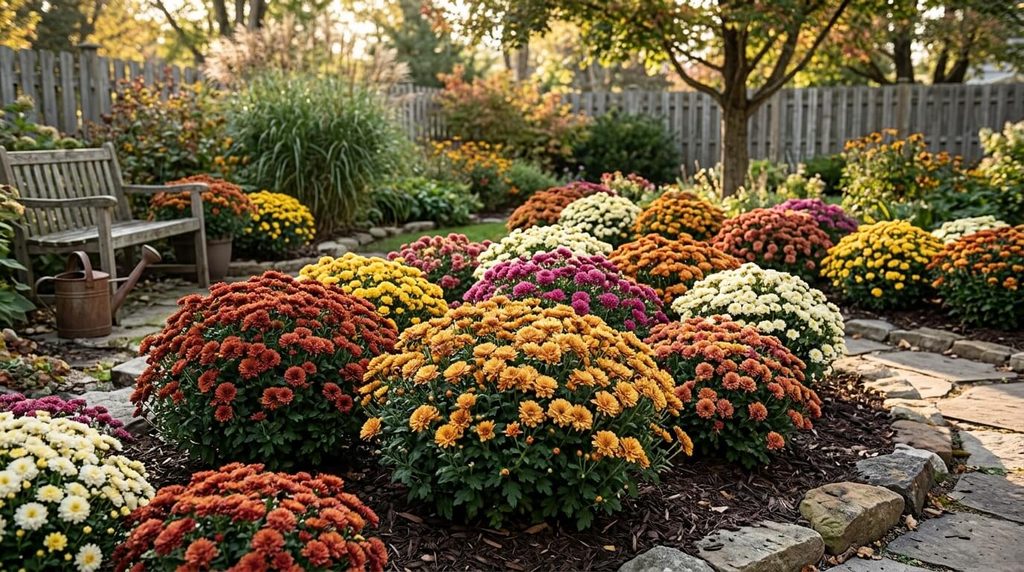
Mums are chrysanthemums, not a separate plant to count twice. Their rounded displays are a familiar part of fall gardens and porch pots. Different cultivars bring white, yellow, orange, purple, and many other shades and flower forms.
If you want the plant to return, shop for a garden-hardy cultivar rather than assuming any flowering gift pot will survive winter. Even a plant sold for the garden needs suitable planting conditions and time to establish. Give it sun and drainage, and ask locally about the prospects for a late autumn planting.
25. Muscari
Botanical example: Muscari armeniacum
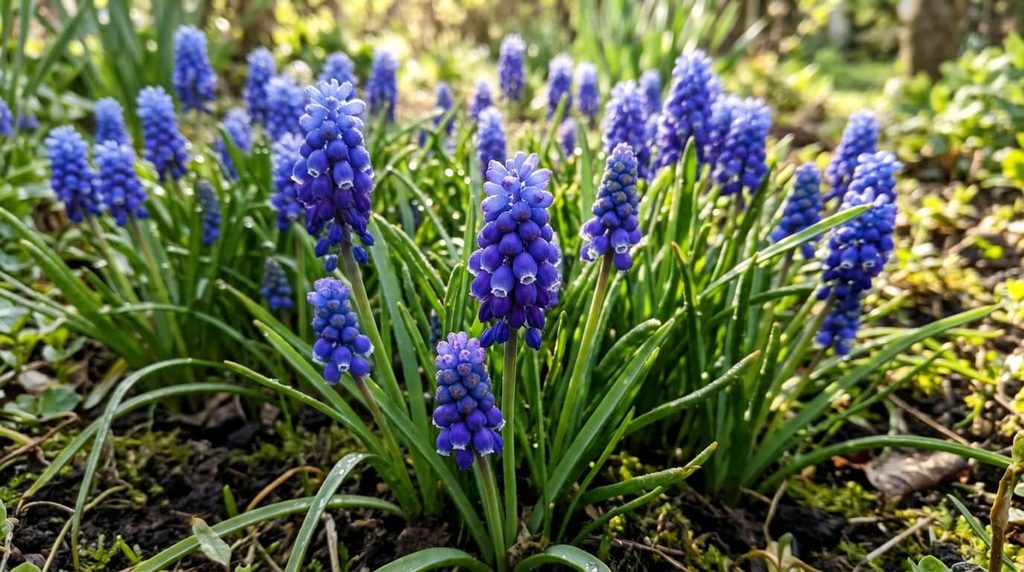
The tightly packed flowers of Muscari look a little like small bunches of grapes. That is why the plant is also called grape hyacinth. Muscari armeniacum usually flowers violet-blue in spring and stays low enough for the front of a border.
Plant it in sun or partial shade with good drainage. Leave the foliage to finish growing after the flowers fade rather than cutting everything back at once. Clumps can spread readily, so keep an eye on them around smaller plants you do not want crowded out.
White Flowers That Start With M
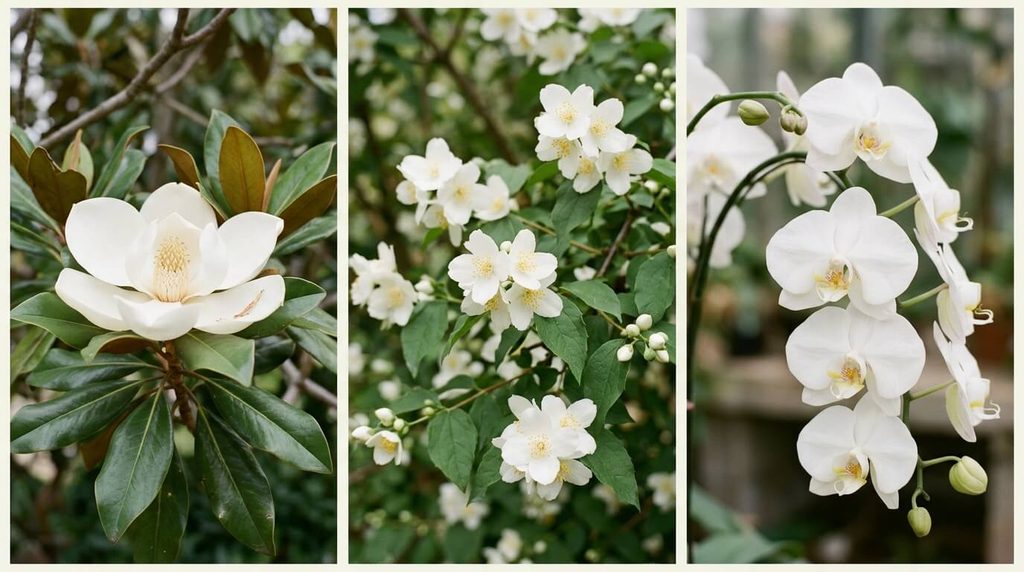
For white flowers, start with southern magnolia, mock orange, moonflower, or a white moth orchid. You can also find white selections of mums, million bells, marguerite daisies, and moss rose. Spiraea alba, the meadowsweet featured above, is another option if you have a suitable moist site.
Before buying, think about where that white flower will go. A magnolia is a tree, moonflower needs something to climb, and a moth orchid is usually grown indoors. A matching color does not make them suitable neighbors or give them the same watering needs.
How to Choose an M Flower That Will Grow Well
A plant that looks lovely in a photograph can still be wrong for your garden. Start by checking how much sun the spot gets and whether the soil stays wet or dries quickly. That simple check will narrow this list more usefully than choosing by flower color alone.
Check these details before buying
- Confirm the botanical name and named cultivar.
- Match sunlight and drainage to the plant, not just its flower color.
- Check mature height and width, especially for trees, shrubs, and vines.
- Verify outdoor hardiness if you expect the plant to return.
- Check local native-range and invasive-plant guidance where relevant.
- Review toxicity before planting near children, pets, or livestock.
Use the USDA hardiness-zone map to check your winter-temperature zone. Compare that zone with the exact species or cultivar label rather than a broad common name. Summer heat, drainage, exposure, and planting conditions still affect performance, so the map is a starting point, not a guarantee.
Conclusion
There is no single best choice among flowers that start with M. A marigold may be right for your sunny pot, while a moth orchid makes more sense for an indoor growing space. Pick a plant whose needs you can meet, and check the botanical name before bringing it home.
For more flower names, continue browsing with our guide to flowers that start with L. Our list of flowers that start with K offers another set of familiar and less familiar plants. Keep the names you like, then compare their growing needs before planning a bed or container.
Frequently asked questions
What are easy flowers that start with M?
Marigolds are a practical starting point for sunny beds and pots. Moss rose suits a hot location with excellent drainage, while million bells works well in regularly maintained containers. No choice is equally easy in every site, so match the plant to your light and watering conditions.
Which M flowers are white?
Moonflower, mock orange, and southern magnolia have white or creamy white blooms. White cultivars are also available among moth orchids, mums, million bells, and marguerite daisies. Check the cultivar label because other colors occur within several of these groups.
Which flowers beginning with M come back every year?
Suitable perennial choices include Maltese cross, masterwort, some asters, butterfly milkweed, and Muscari. Magnolia, mock orange, and mountain laurel are woody plants that persist where conditions suit them. Mandevilla and other tender plants need a different winter plan outside frost-free conditions.
Are there M flowers for partial shade?
Masterwort and the meadow rue featured here suit moist sites with partial shade. Mountain laurel is another option for acidic soil and similar conditions. Partial shade does not mean a dark, dry spot, so check both light and moisture before choosing.
What flower names beginning with M can be used for a girl?
Magnolia, Marigold, and Marguerite are flower-inspired options beginning with M. Magnolia and Marigold make the plant connection especially clear. If you are choosing a name, say it with the surname and consider whether you like its shorter forms too.