

Bon Tool Mashing Hammer 11-177: Is It Right for Your Project?
The Bon Tool mashing hammer 11-177 is the company’s 3 lb mash hammer with a short hickory handle. Its published features include a forged steel head, polished striking face, and rust-resistant black finish. It belongs on your shortlist when the job calls for a compact striking hammer used with compatible masonry tools.
The main buying question is whether you need this type of hammer in the first place. A mash hammer does not provide the cutting end of a brick hammer, the softer contact of a rubber mallet, or the nail-pulling claw of a carpenter’s hammer. Choosing the right type matters more than choosing a heavier tool.
Several listings use “mash,” “mashing,” or “club” hammer when describing this style. Those names can help you find the product, but the model number is the better way to confirm your order. Check for 11-177 and the selected 3 lb wood-handle option before paying.What matters before buying
- Model 11-177 identifies the 3 lb wood-handle version.
- The published construction is a forged steel head with a hickory handle.
- A polished steel face is not a nonmarring surface.
- The listed replacement handle is 11-810.
- Choose the weight you can control accurately throughout the task.
- Confirm that the chisel or other struck tool is compatible with the hammer.
Bon Tool 11-177 Specifications
The manufacturer’s specification page is the best place to start for identifying this model. It describes a steel head fitted to a wooden handle, not a continuous steel head-and-handle construction. Use those details to check listings that group several hammer variations together.
Published product details
| Specification | Detail |
|---|---|
| Manufacturer | Bon Tool |
| Model | 11-177 |
| Tool type | Mash hammer with wood handle |
| Listed size | 3 lb |
| Head | Forged steel with polished face |
| Finish | Rust-resistant black finish |
| Handle | Short, thick hickory |
| Replacement handle | 11-810 |
Treat the listed 3 lb size separately from any shipping weight shown by a seller. Packaging and listing conventions can produce different numbers in product details. If exact overall length or face dimensions affect your work, request measurements for this model rather than using figures from a neighboring size.
What Can You Use This Mash Hammer For?
A mash hammer is commonly used to strike suitable chisels during masonry work. The trade-training explanation of mash hammers describes their use with bolster and other masonry chisels. That gives you a more useful picture of the tool than broad claims that it handles every construction task.
For example, you might use an appropriate bolster on loose brick or concrete pavers. The chisel must be intended for that material and suitable for the hammer being used. The hammer supplies the blow, while the chisel provides the working edge.
This does not guarantee a clean split through every brick, block, or paver. Material composition, thickness, support, and the intended cut position all affect the result. For a precise visible edge or repeated cuts, a suitable splitter or masonry saw may be the better choice.
When It Makes Sense for a Homeowner
The 11-177 is worth considering if you expect to use compatible masonry chisels more than occasionally. It can also suit a small project where a compact striking tool is appropriate and a long-handled sledge would be awkward. You still need enough clearance to work without hitting nearby surfaces or losing control.
A useful buying question is, “What will I strike with this hammer?” If you cannot identify the compatible tool or intended task, buying by weight alone is premature. Start with the project requirements and choose the hammer afterward.
When Another Tool Is Better
Choose a claw hammer for ordinary nail driving and pulling. Use the specified soft-face mallet when seating components that should not receive direct steel contact. For substantial concrete removal, consider using proper demolition equipment instead.
The 11-177 isn’t a better choice just because it looks more substantial than another hammer. Extra weight can make a delicate task harder to control. A tool that suits the work is more useful than one that requires you to work around its limitations.
What Its Features Mean in Everyday Use
Forged Steel Head
“Forged steel” describes how the head is made, but it is not a measured durability score. It doesn’t establish a service life or prove the tool outlasts competing models. It also does not make the head safe for striking any hard object.
Inspect the striking surfaces and the connection to the handle before work. Chips, cracks, or movement require attention, not another test swing. A sound head is only one part of a safe hammer.
Polished Striking Face
The polished face remains a hard steel surface. It can mark or damage a finished material even when the surface looks smooth. Do not confuse a polished face with a rubber, plastic, or other soft striking face.
This distinction matters when laying decorative pavers or adjusting finished components. If the installation instructions specify a rubber mallet, follow that instruction. Switching to a steel hammer can cause damage the original tool choice was meant to prevent.
Short Hickory Handle
The wooden handle gives this model a different construction from steel-handled alternatives. However, the published description does not provide measured vibration-reduction results or establish how comfortable it will feel in your hand. Check grip and balance in person when possible.
Look closely for splitting, cracks, and damage near the head. A handle that feels secure at first can still have visible defects that make it unsuitable for use. Don’t cover damage with tape and treat it as repaired.
Rust-Resistant Finish
A rust-resistant coating helps protect the head, but it does not make steel immune to corrosion. Moisture and wear still make cleaning and dry storage worthwhile. Avoid leaving the tool outside or buried in wet debris between jobs.
The coating also does not tell you whether the working face is sound. Inspect the metal rather than judging condition by how much black finish remains. Surface appearance and structural condition are different checks.
Should You Choose the 2 lb, 3 lb, or 4 lb Version?
The wood-handle range includes different listed weights, so check the variation rather than assuming every photograph shows the same tool. The 3 lb 11-177 sits between the neighboring 2 lb and 4 lb options. That makes it the middle size, not automatically the right compromise for every user.
A lighter hammer may be easier to guide during repeated, controlled work. A heavier tool may suit a task requiring it, but it can also become tiring or harder to aim. Match the choice to the struck tool’s instructions and your ability to maintain control.
If you handle the tool before buying, assess the grip and whether the head feels manageable without making practice swings in a store aisle. Consider your working position and the job’s duration. Correct awkward reach or poor footing through setup rather than compensating with a different hammer weight.
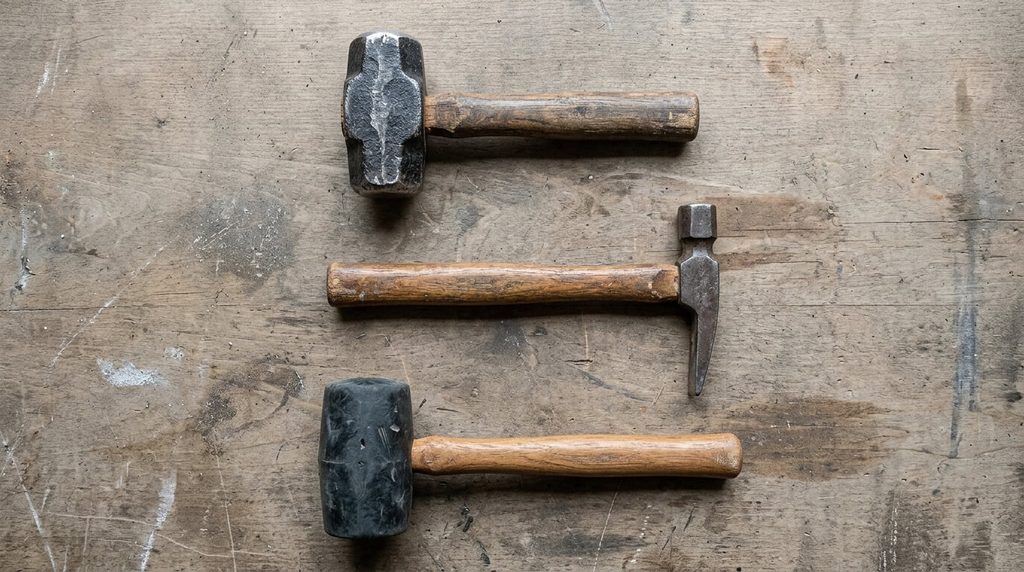
Mash Hammer vs. Brick Hammer vs. Dead-Blow Hammer
A mash hammer and brick hammer can appear in the same masonry section while doing different work. A typical brick hammer includes a chisel-style end, whereas a mash hammer acts as the striking tool. The 11-177 should also not be assumed to have a dead-blow mechanism merely because of an online category label.
Which hammer fits the task?
| Tool | Typical role | What to remember |
|---|---|---|
| Mash hammer | Striking compatible masonry tools. | Does not provide a cutting edge or soft contact face. |
| Brick hammer | Brickwork tasks using its face and chisel-style end. | Not interchangeable with every hammer-and-chisel setup. |
| Rubber mallet | Seating or adjusting materials where specified. | Choose according to the material’s installation instructions. |
| Dead-blow hammer | Applications requiring its particular rebound-control design. | Confirm construction rather than relying on a seller’s category. |
| Claw hammer | Ordinary carpentry nail driving and pulling. | Not a general substitute for a masonry striking hammer. |
| Long-handled sledge | Suitable heavier striking tasks with adequate clearance. | Requires a different working space and level of control. |
If your work calls for a chisel-ended tool, the guide to the Estwing 20 oz bricklayer hammer E3-20BLC explains that alternative. Compare the way the tools work before comparing their weights. A brick hammer and a mash hammer can serve complementary roles in a masonry kit.
How to Use It With a Suitable Masonry Chisel
Start with the instructions for both tools and the material you intend to work on. A woodworking chisel is not a substitute for a masonry chisel, and a generic “cold chisel” description does not establish suitability for stone or concrete. Check the intended use before setting up the job.
- Inspect the equipment. Confirm that the hammer head is secure and the handle is sound. Check the chisel’s working edge and struck end for damage. Remove chipped, cracked, or otherwise unsafe tools from use.
- Support the material. Arrange the work so it cannot rock, slide, or tip during a blow. Clear loose debris from your footing and leave adequate working room. Keep other people away from the likely path of fragments.
- Protect your hands and eyes. Use suitable eye protection and a purpose-made chisel holder or hand guard where appropriate. Position your hands outside the impact area. A face shield is additional protection, not a replacement for safety glasses or goggles.
- Begin with controlled blows. Follow the chisel manufacturer’s placement and striking instructions. Aim squarely instead of using glancing blows or the side of the hammer. Stop if the tool slips, the material shifts, or your control becomes uncertain.
- Reassess rather than forcing the task. Poor progress may indicate an unsuitable tool, material, or setup. Increasing the swing can add risk without solving the problem. Change the method when the work calls for a different cutting or breaking tool.
Safety Checks That Matter Most
The published hammer safety guidance emphasises choosing the right hammer and checking its condition. Never strike one hammer face with another or use the side of the head as a striking surface. Do not grind, weld, or reheat a damaged hammerhead as an improvised repair.
The struck-tool safety guidance also warns against using chipped or mushroomed struck ends. A mushroomed chisel head is not simply cosmetic wear. Follow the tool maker’s maintenance instructions or replace the tool rather than continuing with damaged equipment.
Dust control deserves attention even when you are using hand tools. The construction guidance on crystalline silica explains why work involving materials such as concrete and mortar may require exposure controls. Working outdoors or wearing a basic face covering does not automatically resolve the hazard.
Replacement Handle and Maintenance
The manufacturer lists 11-810 as the replacement handle for the 11-177. Check the part number before ordering, rather than choosing a handle that merely looks similar. Proper fitting is important, so use competent help if you are unfamiliar with replacing striking-tool handles.
Clean debris from the tool after use and dry it before storage. Keep the gripping surface free from oil and grease. Store the hammer where the handle and head are protected from prolonged moisture.
Inspect it again before the next job, particularly after a missed blow that contacted the handle. A moving head, cracked wood, or chipped face needs attention before further use. Do not test a questionable hammer by taking another hard swing.
What to Check Before Buying Online
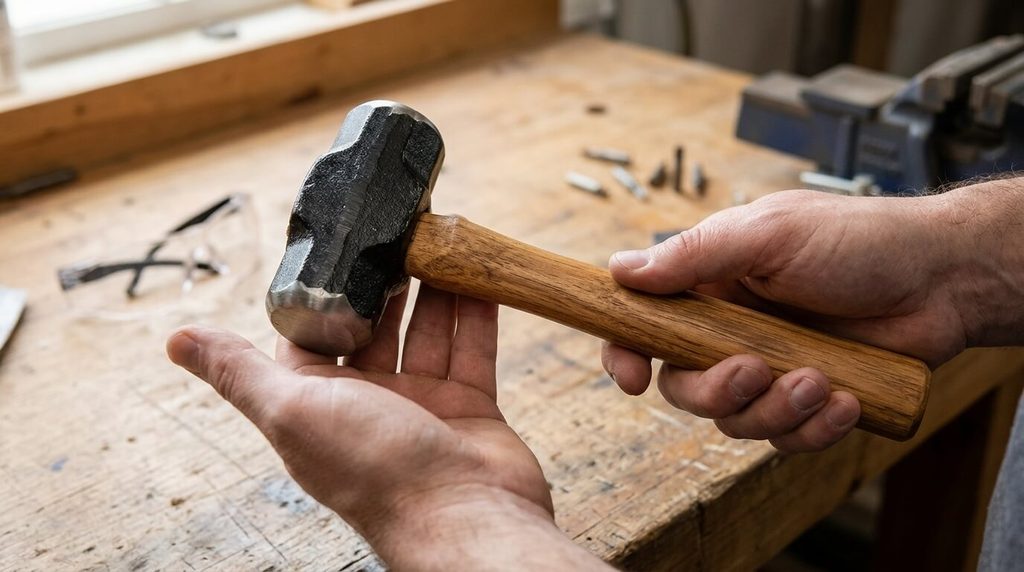
Confirm that the selected option, cart, and order summary all identify 11-177. Shared product pages may default to another size or use one photograph for the range. The model number is more dependable than a thumbnail when checking the variation.
Compare the final delivered cost rather than a search-result price alone. Include shipping, tax, stock status, and the seller’s return terms. For a relatively small tool purchase, delivery charges can change which offer makes sense.
Check dimensions directly if access or storage space is important. Ask for the exact overall length and face measurements for this model rather than accepting details copied from another hammer. Also confirm the order includes a complete hammer, not a replacement part.
Inspect the tool as soon as it arrives. Before using it, check the handle, head attachment, striking faces, and model identification. Keep the packaging and purchase record until any shipping damage or incorrect-item issue is resolved.
Is the Bon Tool 11-177 Worth Buying?
The 11-177 is worth considering when a suitable task calls for a 3 lb mash hammer, and you prefer a wooden handle. Its published specifications make the product straightforward to identify, and the listed replacement handle is useful for future maintenance. Those facts support a buying decision but don’t prove it performs better than competing models.
Choose something else if you mainly need to pull nails, seat delicate materials, or handle substantial demolition. A lighter hammer may also make more sense when accurate repeated blows are difficult with the 3 lb size. The right purchase is the tool that suits the work and stays manageable throughout.
Conclusion
The Bon Tool mashing hammer 11-177 is a conventional 3 lb wood-handle mash hammer intended for suitable striking work. Key features include its compact size, forged steel head, and replaceable hickory handle. Don’t confuse it with a brick hammer, soft-face mallet, or dead-blow tool.
Before buying, confirm the model, check compatibility with the intended task, and consider whether the weight suits your control. Inspect the tool on arrival and before each use. Those checks are more valuable than broad promises about power or durability.
Frequently asked questions
Is the Bon Tool 11-177 the 3 lb model?
Yes, the manufacturer identifies 11-177 as the 3 lb wood-handle mash hammer. Other weights are sold under different model numbers. Check the selected option and order summary when buying from a page that groups several sizes together.
Which replacement handle fits the Bon 11-177?
The listed replacement handle is 11-810. Confirm that part number and compatibility before ordering. Have the handle fitted by someone competent if you are unfamiliar with repairing striking tools.
Is the 11-177 a one-piece steel hammer?
No, it has a forged steel head and a separate hickory handle. The manufacturer also lists a replacement wooden handle. Wording about forged construction should not be interpreted as a continuous steel head-and-handle design.
Can it replace a rubber mallet for laying pavers?
Do not assume a steel mash hammer can replace the specified rubber mallet. Steel contact can mark or damage a finished surface. Follow the paver manufacturer’s installation instructions and use the tool required for that material.
Is a mash hammer the same as a brick hammer?
No, a typical brick hammer has a chisel-style end in addition to its striking face. A mash hammer provides the blow when used with suitable separate tools. Choose according to the work rather than treating the names as interchangeable.