


How to Kill Maggots: The Safe, Complete Home Guide
If you searched how to kill maggots, you want them gone fast, and you don’t want to see them again tomorrow. The permanent solution is simple: remove the larvae, remove the wet organic material that feeds them, and prevent adult flies from returning to the area.
Maggots are alarming, but they are also a clue. A fly found a warm, moist food source nearby and laid eggs there, so treat where you see larvae as a starting point, not automatically as the source.
The short answer: what to do in the first 15 minutes
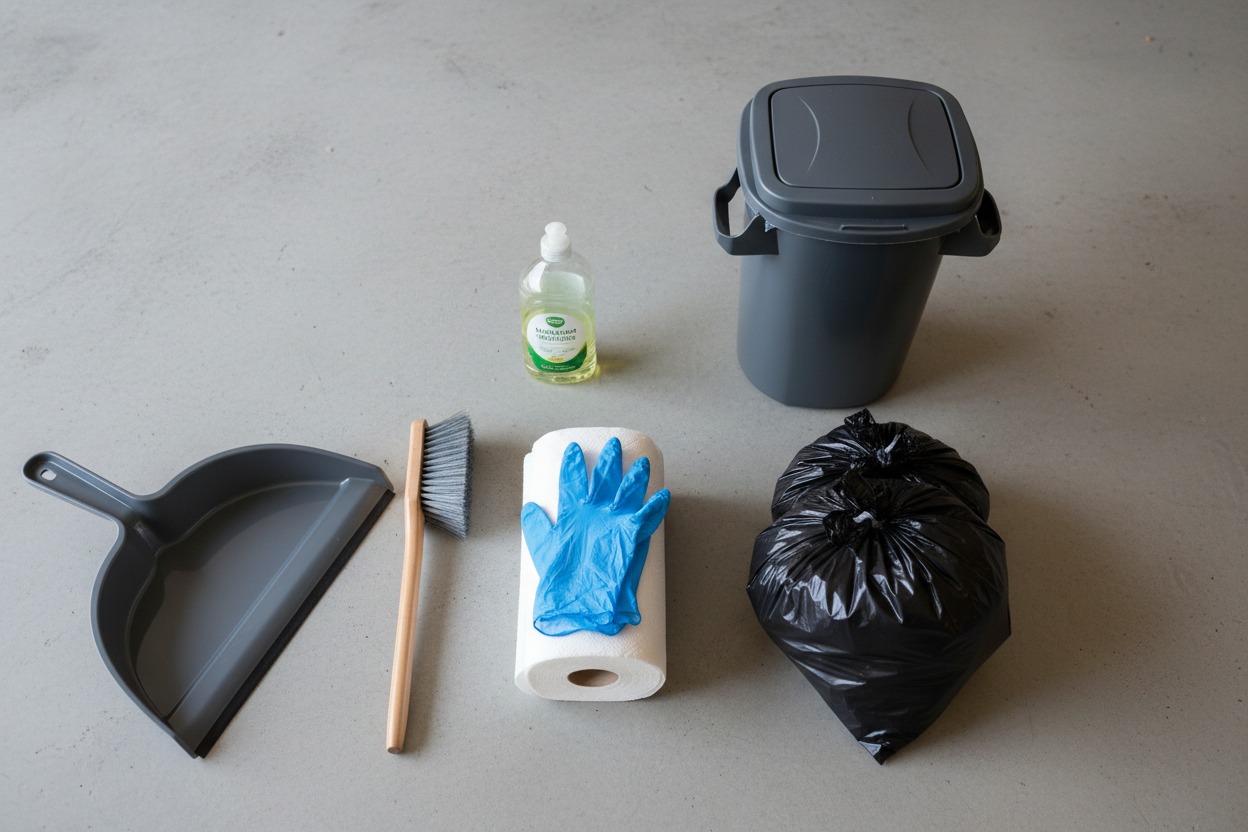
If you see visible maggots on a hard, washable surface, wear gloves and pick them up using paper towels or a dustpan and dispose of them in a sturdy bag. Killing visible larvae is great, but washing away food film and moisture is just as important. Wash the surface with hot soapy water and dry it well.
Once the waste is removed, fresh boiled water can be used on exposed larvae in a heavy outdoor bin. Pour only on a heat tolerant surface and never use on carpet, soft flooring or as a substitute for emptying and scrubbing the bin.
This three-step order will work for almost any common household infestation. It keeps the cleanup focused, and doesn’t waste products.
- Contain and remove. Double-bag food waste, pet waste, or a leaking liner, then collect visible larvae with a dustpan, stiff paper, or disposable towels. Seal the material instead of rinsing live larvae into a drain.
- Scrub and dry. Brush seams, rims, wheels, and the bin base with dish soap and water, then air-dry the surface before fitting a fresh liner. This removes the residue and odor that attract adult flies.
- Trace the source. Check waste, pet-food areas, compost, recycling, drains, and any place a small animal could be trapped. This turns a one-day cleanup into a lasting fix.
My source-first check before I clean
If I got larvae in my kitchen or garage, I would spend two calm minutes looking before grabbing any cleaner. I would look to see whether they were all gathered in one place, whether a path led away from a bin, and whether there was a sour or rotten smell indicating a hidden food source.
- Look at their direction of travel. Larvae packed into wet waste are likely still feeding, while larvae climbing up a bin or crossing a floor may be leaving to pupate. Follow the trail backward rather than assuming the most visible group is the origin.
- Check the overlooked edges. Lift the bin, open the lid hinge, check behind appliances, and inspect the bottom of the liner. A small amount of leaked liquid is enough to keep odor in the area after the main bag is gone.
- Ask what changed in the past few days. Think about a party, raw-meat packaging, pet cleanup, missed collection, a new compost habit, or a garage door left open. That simple timeline often reveals the trigger more quickly than a full-house cleaning spree.
This approach is the reason a source-first cleanup feels less overwhelming. You are not trying to sterilize every room. You are finding one usable fly nursery and removing it completely.
What are maggots, and what do maggots come from?
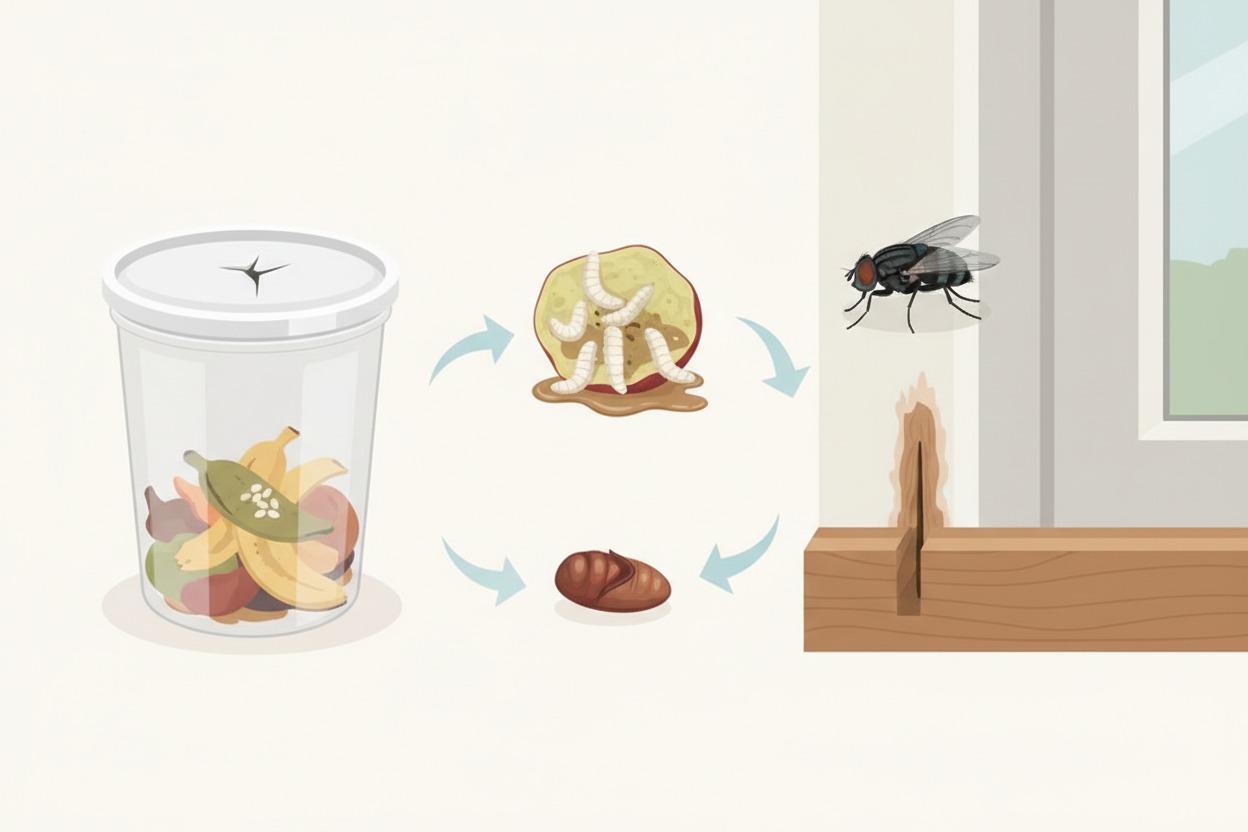
What are maggots? A maggot is the larval stage of a fly. In ordinary homes, the white maggots people see most often are young house flies or blow flies feeding in garbage, animal waste, rotting food, compost, or another moist organic material. The four-stage fly life cycle is egg, larva, pupa, and adult, so a maggot does not appear from dirt or moisture alone.
This also answers the questions “what is a maggot?” and “where do maggots come from?” They come from eggs that the adult flies lay. The eggs can be easy to miss, and warm weather can speed development, which is why an apparently normal trash bag can become a problem surprisingly fast.
The common white maggots in house waste are legless, soft-bodied larvae with a tapered end. They are not always tiny. Big maggots often mean the larvae are further along in their development, not that you have found a different kind of pest. As larvae mature, they often leave the wet food source to find a drier, protected place to pupate, which is why they may crawl up a bin wall, across a garage floor, or toward a carpeted room.
That movement is one of the most useful clues in this whole guide. Mature fly larvae move away from their feeding site to pupate, so a trail of larvae can point you back toward the actual source. Do not assume the farthest maggot is where the infestation started.
| Where you find them | What it usually suggests | What to check first |
|---|---|---|
| Deep inside wet food waste | An active feeding and breeding site | Meat scraps, fruit, leaking bags, and bin residue |
| On the outside of a bin or crawling away | Mature larvae are searching for a dry pupation spot | The bin base, rim, wheels, and nearby cracks |
| In a carpet or along a baseboard | A nearby source or larvae migrating away from it | Under furniture, pet accidents, bins, wall voids, and floor edges |
| Near a sink or shower drain | It may be drain-fly larvae rather than ordinary trash maggots | Slimy organic buildup inside the drain |
| In a garage | A waste, pet, compost, or hidden-animal source is likely | Garbage, recycling, grass clippings, animal feed, and inaccessible corners |
Before you clean: protect yourself, food, pets, and surfaces
Most household maggot problems are a sanitation issue, not an emergency. Treat the area as contaminated, keep food, dishes, children, and pets away until cleaning is finished, and wash your hands well after removing gloves.
Wear closed shoes for a large infestation and ventilate a bin, garage, or small bathroom while you clean. Avoid kneeling directly on a dirty surface.
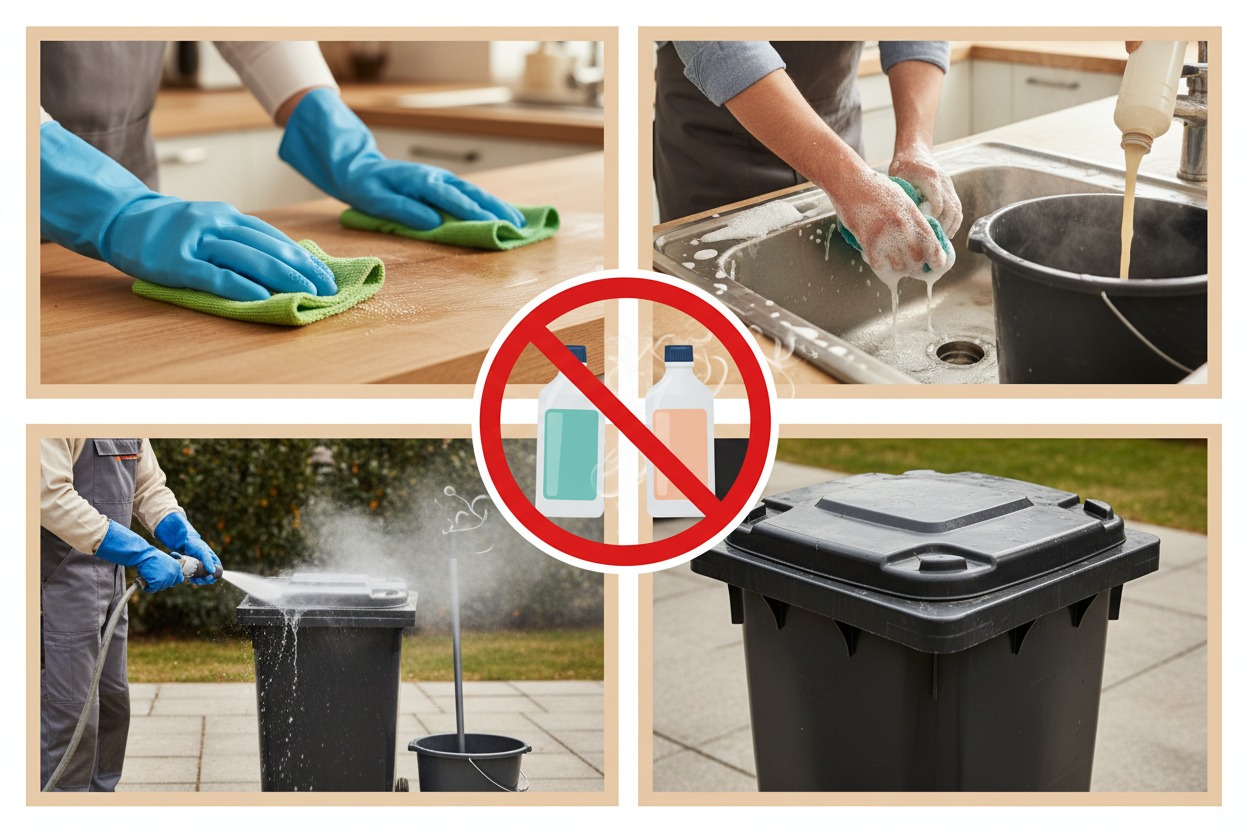
Avoid the tempting but unsafe shortcut of combining household products. Never mix cleaners, especially bleach with acids such as vinegar or with ammonia-containing products, because toxic or irritating fumes can result. Use one cleaning product at a time, follow its directions, rinse if the label requires it, and ventilate the area.
Do not spray pesticides on food-preparation counters, dishes, pet bowls, bedding, toys, or a surface that is not listed on the product label. A pesticide label tells you where and how the product may be used, as well as the precautions and waiting periods that apply. Product-label directions are legally enforceable safety instructions, so they matter more than a social-media tip or a generic “maggot killer” claim.
How to kill maggots in a trash can safely
Maggots in house trash are usually easiest to solve because the source is visible. Clean the entire route, not just the bottom of the can, because eggs and residue can hide under the lid, rim, bag fold, or wheels.
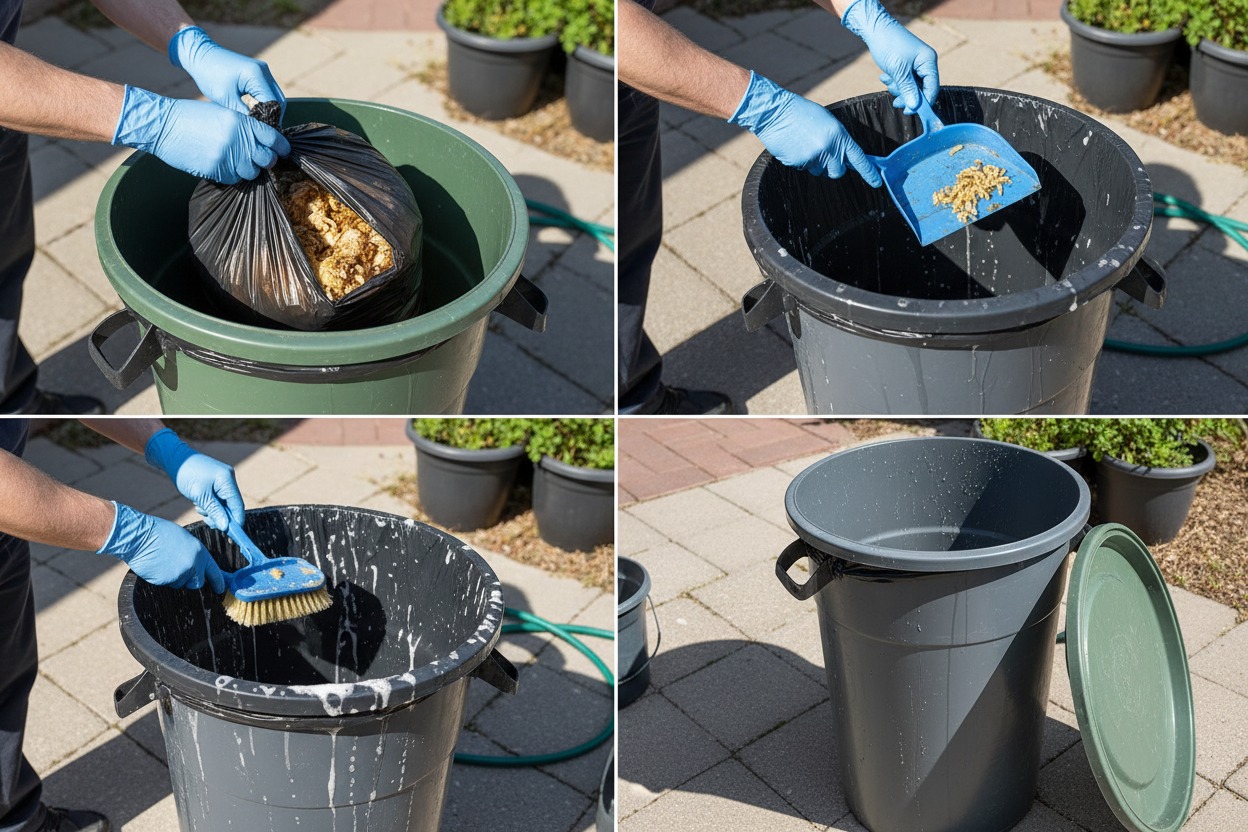
Move the can outdoors or to a washable, ventilated area without spilling it, then place the old bag directly inside a second bag and tie it securely. Inspect the empty can, collect any larvae, and use controlled boiling water only on a sturdy outdoor bin that can take the heat.
Use warm water, dish soap, and a long-handled brush on the interior, rim, underside of the lid, base, and wheels. Rinse as appropriate, drain completely, and leave the can open until dry.
If you are dealing with what kills maggots in trash can situations again and again, focus on odor and access. House and blow flies use warm, moist garbage and food waste as breeding material, and they can multiply fast when one bag is left leaking for several days. A clean but damp can is better than a dirty one, but a clean and dry can with a tight lid is much better.
A quick trash-can reset that actually lasts
After the can is dry, fit a new liner without letting it bunch under the lid. Put wet scraps, meat packaging, pet-food cans, and fish waste in a small sealed bag before they enter the main bag.
If collection is several days away, freeze especially smelly scraps in a sealed container until collection day. This warm-weather habit keeps the bin from becoming an easy food source for flies.
How to kill maggots in house locations: carpet, garage, drains, and walls
Maggots in house spaces require a little more detective work. The correct method changes with the surface, and the safest answer is rarely “spray everything.” When larvae turn up away from a bin, think about where they could have fed before they started moving.
How to kill maggots in carpet without damaging the fibers
Maggots in carpet are upsetting, but carpet is usually not their food source. Larvae may have crawled there from a nearby trash bag, food spill, pet accident, or hidden source, so trace outward before treating the fibers.
Lift larvae gently with tape, paper towels, or a dustpan, then vacuum after you have removed as much as possible by hand. Clean with a carpet-safe product tested in an unseen spot, blot rather than soak, and use this guide on cleaning a carpet spot safely after the larvae are gone.
Avoid boiling water, bleach, and random insecticide on carpet. Heat can damage fibers, bleach can discolor them, and moisture can add a new odor problem.

Maggots in garage: where to look before you treat
Maggots in garage spaces often come from garbage, recycling, pet food, pet waste, compost, lawn clippings, or a dead animal. Check behind shelving and around bins before treating the floor.
Bag and remove any reachable dead animal, then wash and dry the surrounding area. A hidden animal can produce a temporary surge of blow flies and larvae that wander away to pupate, so call for help if the source is inside a wall, ceiling, or crawlspace.
Store pet food in a hard airtight container and make sure garage-bin lids close completely. These small changes prevent a repeat problem.
White maggots near a drain: confirm the pest before using a remedy
Small larvae near a drain may be drain-fly larvae, which develop in the slimy film inside a drain or overflow channel. Remove the cover safely, scrub reachable surfaces, clean the overflow, and correct slow leaks or standing water.
For drain-fly larvae, hot water, bleach, and chemical drain products alone are not an effective fix, because they do not remove the biofilm. Arrange assessment for a possible sewer-line problem instead of repeatedly pouring products into the drain.
Larvae on ceilings, walls, or near a window
When maggots seem to come from a wall, ceiling, or light fitting, do not assume they are living in the paint or drywall. They may be leaving a dead animal, a bird nest, food debris, or a hidden trash source to pupate in a drier place. Check any accessible attic, vent, fireplace, window well, or nearby waste storage area first, but switch off power and call a professional for insects emerging near electrical fittings or inaccessible building voids.
What works, what only partly works, and what I would skip
People often want one magic ingredient. In reality, a method can kill exposed larvae yet still fail because it leaves the eggs, pupae, odor, and source behind. The table below separates direct cleanup tools from common household claims so you can choose the safest reasonable step.
| Method | What it is good for | Limits and cautions |
| Physical collection and sealed disposal | Immediate removal on any surface, including carpet | You must still clean the food residue and locate the breeding source |
| Hot soapy water and brushing | Removing residue and odors from washable bins and hard surfaces | It is a cleanup method, not a reliable standalone answer for every hidden larva |
| Freshly boiled water | Killing exposed larvae on suitable durable outdoor hard surfaces | Can burn you, warp some plastics, damage flooring, and should not be used on carpet or drains |
| Vinegar | Mild deodorizing and cleaning after physical removal | Direct contact may affect some exposed larvae, but it is not my main killing method and never mix it with bleach |
| Baking soda | Odor control and light drying in a clean, dry bin base | It is not a reliable way to kill an active maggot infestation |
| Water alone | Rinsing after removal and cleaning | It does not reliably kill larvae or remove the food source |
| Direct sun and heat | Helping a washed bin dry thoroughly | Sun is not a dependable treatment for larvae hidden under waste or inside crevices |
| Label-approved fly insecticide | Limited use when sanitation and exclusion are already in place | It may not solve larvae or an inaccessible source, and it must be used only as labeled |
Heat, vinegar, baking soda, water, and sun
Does hot water kill maggots, and does heat kill maggots? Yes, direct heat kills exposed larvae, so boiling water can help on a safe outdoor hard surface. It cannot reach larvae hidden under waste, in carpet padding, walls, or drain film, and it is never worth a scalding risk.
Will vinegar kill maggots? It may affect exposed larvae with direct contact, but I would use it mainly for compatible-surface deodorizing after physical removal. Does baking soda kill maggots? No, not reliably; it can only support odor control in a clean, dry bin, and vinegar must never be mixed with bleach.
Can maggots drown, and can maggots survive in water? Water alone is not a reliable fast treatment because survival varies by fly species and it leaves food residue in place. Will maggots die in the sun? Exposed larvae may dry out, but use sunlight to dry a washed bin rather than treating it as a complete solution. The tradeoff is that water based spray paint is more sensitive to humidity while it is drying, and it can take a little longer to reach full hardness in damp conditions compared to a well-ventilated dry room.
How to prevent maggots in trash, indoors and outdoors
How to prevent maggots in trash comes down to reducing food odor, keeping waste dry where possible, and denying flies access. A repeatable routine will make your bin a poor place for flies to lay eggs.
Empty food-heavy indoor trash more frequently in warm weather, and seal raw-meat packaging, seafood waste, wet pet-food cans, and smelly leftovers before they enter the main liner. These habits also support keeping food attractants out of your kitchen.
To learn how to keep maggots out of trash, pay close attention to the lid and liner. The lid should close without a gap, and the bag should not protrude from the rim. Wipe up spills immediately, because even a tiny layer of “garbage juice” under the liner can smell attractive to flies after the visible waste is gone.
How to prevent maggots in trash when you have many food scraps may mean freezing very perishable scraps until collection day or emptying the kitchen bin daily in hot weather. Do not store loose scraps in an open garage bin for days.
How to keep maggots out of outside trash can systems needs an extra layer of attention. Place the can away from doors and windows where practical, make sure the lid is not cracked, and rinse cans, bottles, and food containers before recycling them. Sealed bags, tight-fitting lids, regular waste removal, and exclusion are core fly-control steps, not cosmetic chores.
A better outside-bin routine for hot weeks
An outdoor bin can look fine from the top while liquid and residue collect under the liner or around the wheel wells. During hot weeks, check it after each collection day, especially if you had meat packaging, seafood scraps, pet waste, or a torn trash bag. It is far easier to rinse a small leak the day it happens than to scrub a full infestation later.
Keep the lid shut even if you think the bin smells clean. Fly eggs are small, and flies can quickly take advantage of a short opening when wet waste is available. If a lid no longer closes, replace or repair it rather than trying to weigh it down with loose objects that still leave gaps.
This short routine is realistic for a busy home. It makes the prevention steps easier to repeat during warm weather.
- After meals or cooking days, take out food-heavy trash and wipe the lid, rim, and floor. This prevents odor buildup.
- Each week, empty outside food waste and wash the bin after a leak. Let it dry fully before it is used again.
- For pets, compost, and entry points, bag feces promptly, manage compost so it does not stay wet, and inspect screens and door gaps before warm weather. These steps reduce breeding sites and adult-fly access.

Is a maggot killer spray worth buying?
A maggot killer spray may help in a narrow situation, but it is rarely the best first purchase for a single infested bin. Most sprays control adult flies or crawling insects on listed surfaces, not decaying material inside a trash can.
Choose a product only when its label lists the target pest, exact location, and surface you need. Targeting breeding sites is more effective than relying on pesticides alone, so clean first and use any label-approved spray only as directed around people, pets, food, and surfaces.
When a commercial product can make sense
Commercial control can support cleanup when adult flies persist after breeding sites are gone or waste storage is large. Skip indoor foggers for a normal maggot issue because they do not remove the source; invest in inspection instead if the problem keeps returning.
Dead maggots, hidden sources, and when to call for help
Finding dead maggots after cleaning usually means exposed larvae were removed, dried, or killed. Pick them up, seal them with the waste, and wash the surface so you can spot any newly active larvae.
If dead maggots keep appearing, the source may be hidden. Check under appliances, behind furniture, in a garage, inside a chimney or vent, and anywhere a small animal could be trapped.
Call a licensed pest professional or appropriate building professional when you cannot locate the source, there is a suspected dead animal in a wall or ceiling, larvae are tied to a sewage leak, or the infestation returns after you have cleaned and sealed the waste. Professionals are most useful when they remove or confirm the source, not when they simply apply more spray.
For health reasons, act more quickly if larvae are found in a person’s open wound, around a vulnerable person who cannot manage wound care, or on a pet with an open wound. Maggots in human tissue require medical evaluation, and a pet with possible flystrike needs prompt veterinary advice. Household trash maggots do not mean a person will automatically become ill, but open wounds should never be treated as a DIY pest-control problem.
Expert tips that make the difference
The most important detail is to treat larvae as evidence, not as the whole problem. A quick sweep can make the floor look better, but the cycle continues if a sticky bin base, drain film, leaking liner, or hidden animal remains.
- Clean beneath the bin as well as inside it. The underside, wheels, hinge, and floor can keep enough residue to attract flies after the trash bag is gone. Give those parts the same attention as the visible interior.
- Separate a drain issue from a trash issue. A trash maggot problem needs waste removal, while drain-fly larvae need physical biofilm removal. Using the wrong method repeatedly wastes time and can damage the surface.
- Use a product only after you know the target and location. A correct label can help with a persistent fly problem, but it cannot replace source removal. I recommend spending money first on a better lid, sealed liners, or a professional inspection if you cannot find the source.
Frequently asked questions about maggots
Why do I have maggots in my house when I keep it clean?
Why do I have maggots in my house? Even a clean home can have one overlooked source, such as a leaking food bag, pet-waste bag, ripe fruit, compost container, drain film, or inaccessible dead animal. Search the room where larvae are concentrated for odor, dampness, and food residue.
Maggots do not mean your home is generally dirty. An adult fly found one suitable place to lay eggs, so focused cleanup and access control work better than trying to sanitize the whole house.
What are white maggots and big maggots in a trash can?
White maggots are usually fly larvae feeding in moist waste or decaying material. Big maggots are often older larvae ready to leave their food source, which explains why they can appear on a bin, floor, or wall.
Bag the waste, wash the full bin, and inspect the surrounding floor and underside. A few older larvae may still appear if they had already started crawling away to pupate.
How do I get rid of maggots in a garage or carpet for good?
For maggots in garage areas, remove the source, collect larvae, wash the floor or bin, and dry it fully. Check pet food, pet waste, recycling, compost, grass clippings, and a possible dead animal.
For how to kill maggots in carpet, collect larvae, vacuum after removal, clean without soaking, and trace their path to a nearby source. Do not use boiling water, bleach, or a random pesticide on carpet.
Can maggots drown in water, and will maggots die in the sun?
Do maggots drown in water? Water alone is not a dependable treatment, so clean only after you have removed larvae and their food source. Do not assume flushing them down a drain ends the problem.
Will maggots die in the sun? Exposed larvae may dry out, but sunlight cannot reach larvae and eggs hidden below trash. Use sunlight to dry a scrubbed bin before closing the lid.
Does baking soda kill maggots, and should I buy a maggot killer spray?
Does baking soda kill maggots? No, not reliably enough to be the main treatment. It may help with odor in a clean, dry bin but does not remove wet waste or block flies.
A maggot killer spray is optional for most infestations. Buy one only if its label approves the pest, surface, and location; physical removal, sanitation, drying, sealed liners, and a tight lid matter more.
Final takeaway: remove the source, then make the area boring to flies
The best answer to how to kill maggots is not a harsh chemical or a one-minute trick. Remove the larvae safely, bag and dispose of the material feeding them, scrub away residue, let the space dry, and close off fly access. Once you handle those five steps, you are not only getting rid of maggots today. You are breaking the next fly cycle before it starts.
If you found this guide useful, save it before the next warm-weather trash day and share it with someone who is dealing with a sudden bin, garage, or carpet problem. A quick source check is usually the difference between a simple cleanup and an infestation that keeps coming back.