


How to Remove Coffee Stain From Carpet Without Making It Worse
If you are asking how to remove coffee stain from carpet, your first job is not to find the strongest cleaner. Your first job is to keep the coffee from going farther into the pile, backing, and pad. A few calm minutes now can save you from a bigger stain, a crunchy residue, or a spot that seems to return the next day.
When I compared the most visible coffee-stain advice for this guide, I noticed the same pattern. Many articles jump straight to vinegar, baking soda, or peroxide before asking what was in the drink or what the carpet is made from. That is the gap I want to close for you, because black coffee, a sweet latte, and a spill on wool do not need the same response.
The safe order is simple: absorb, identify, treat lightly, rinse, and dry. I will walk you through that order, show you where popular methods can help or hurt, and give you clear stop rules when DIY cleaning is no longer the sensible move.
The 60-Second Coffee Spill Check
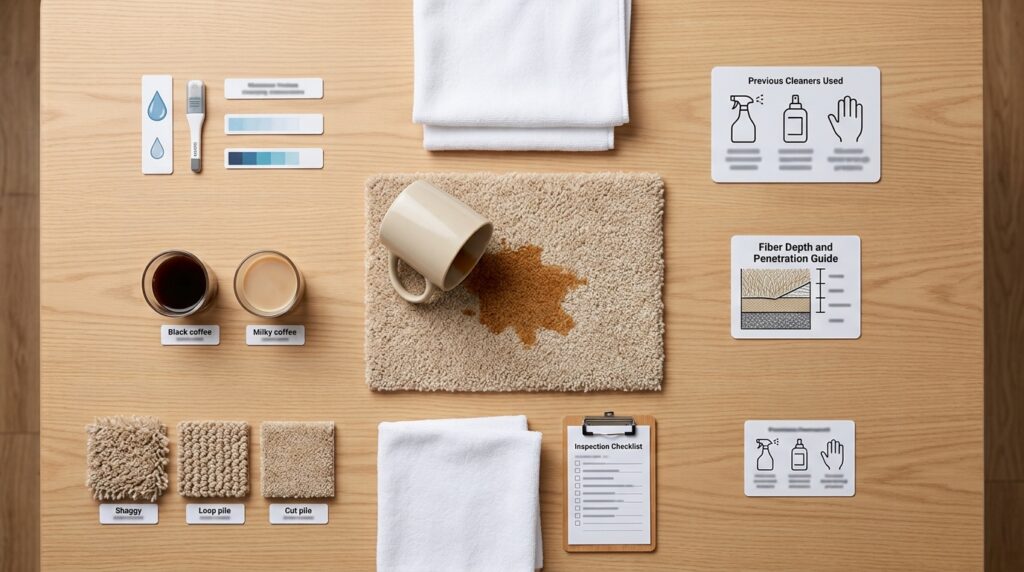
Before you touch the stain with a cleaner, take one minute to assess it. If you are wondering how to remove coffee stains, that pause can prevent a pile of mixed products you cannot rinse out. I use five checks because they indicate which method carries the lowest risk.
- Is the spill wet or dry? Wet coffee can be transferred into towels before it travels deeper. A dry mark often needs gentle rehydration, not a hard scrub or a flood of water.
- Was it black coffee, or did it contain milk, cream, sugar, syrup, or flavoring? Plain coffee leaves color. Milk and cream add fat and protein, while sweeteners can leave a sticky soil-attracting film after the brown color fades.
- What kind of carpet or rug is it? Nylon, polyester, and olefin may tolerate a measured carpet cleaner after a hidden-area test. Wool, silk, cotton, jute, and unknown handmade rugs deserve a much more cautious approach.
- How deep did the coffee go? A few drops in the pile are one problem. A full mug that soaked through to the backing or pad can wick upward as it dries and look like a brand-new stain later.
- What have you already used? Write down every product, including soap, vinegar, baking soda, peroxide, stain spray, or steam. This protects you from mixing cleaners and helps a professional choose the next safe step if you need one.
Why a Coffee Stain Is Not Just a Brown Mark
Coffee has brown compounds formed during roasting, including melanoidins that contribute to its color. A scientific analysis of coffee pigments explains why the visible brown mark can cling to textile fibers after the water has dried. That color is only one part of the cleaning problem.
If your drink had milk or creamer, there may also be protein and fat in the carpet. If it had sugar, syrup, or a sweet topping, you may have a residue issue too. The consumer coffee-and-tea care sheet specifically notes that milk, sugar, coloring, fiber type, and how far the spill penetrated can change the result.
This is why I would not treat every coffee spill with the same homemade mixture. A color problem may need gentle lifting. A sticky problem needs rinsing and extraction. A deep problem needs moisture removal more than extra chemistry.
The white-towel transfer test
Fold a clean white towel or cloth and press it against the damp spot. If brown material, tackiness, or moisture transfers, you still have something to remove. If no transfer happens but the carpet looks different, you may be dealing with dye loss, pile distortion, residue, or a stain below the surface.
This is one of the most useful checks in my view because it gives you evidence instead of guesswork. Keep using the same gentle step only while the towel shows transfer. Once transfer stops, pause and reassess instead of automatically adding another product.
How to Get Coffee Stains Out of Carpet When the Spill Is Fresh
For people asking how to get coffee stains out of carpet, a fresh spill is your best chance to solve the problem with very little cleaner. The goal is to remove free liquid before the fibers, backing, or pad hold onto it. Work slowly enough to be precise, but do not leave the spill sitting while you gather a dozen supplies.
Step 1: Remove the source without spreading it
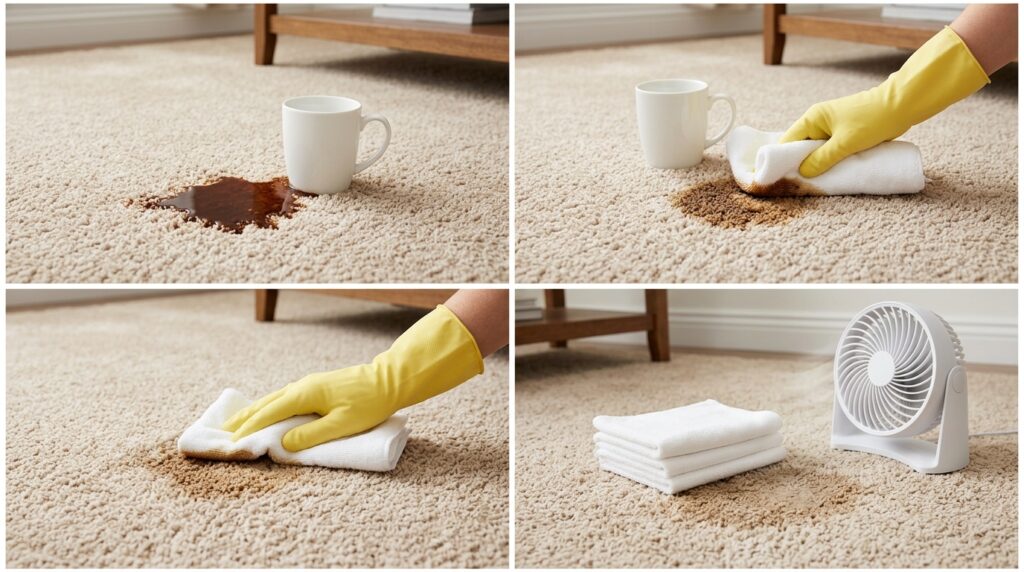
Lift the cup straight up and move it away from the area. If foam, whipped topping, or any semi-solid material landed on the carpet, pick it up with the rounded edge of a spoon. Do not wipe outward or drag the cup across the pile.
Put a folded plain white towel over the outer edge of the coffee and press down. Move your way toward the center and switch to a clean, dry area of the towel as it absorbs liquid. The recommended household carpet process also advises white absorbent material and blotting rather than scrubbing, because brushing can fray or distort carpet yarn.
Step 2: Use a lightly damp cloth, not a poured rinse
When the dry towel stops lifting much coffee, dampen a fresh white cloth with cool or lukewarm water. Blot the stain from the outside edge inward, then immediately press a dry towel on the same area. You want controlled moisture, not a puddle that carries the coffee into a larger ring.
I recommend using a fine mist or a cloth because it makes it easier to control the water budget. If the backing becomes wet, drying takes longer and wicking becomes more likely. Keep repeating this small wet-and-dry cycle only while coffee continues to transfer.
Step 3: Treat only what water did not remove
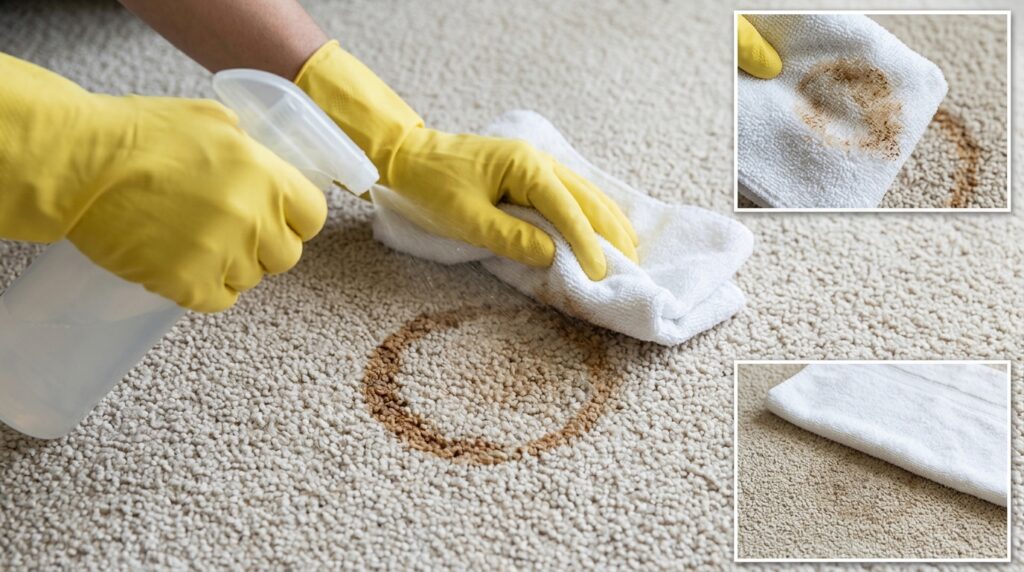
If a faint brown shadow remains on a colorfast synthetic carpet, choose a carpet spot remover that is labeled for your fiber and follow its exact directions. Apply a small amount to a white cloth instead of pouring it onto the carpet. Blot the product in gently, allow the stated dwell time, and blot it back out.
The coffee-with-cream-and-sugar procedure recommends working from the outside toward the center and continuing one agent while you still see transfer. It also says that more detergent is not better, because residue left behind can cause rapid re-soiling. That final rinse is not a decorative extra. It is part of the cleaning.
Step 4: Dry the pile and check it later
Blot the treated area with clean, dry towels until they come away almost dry. Leave a fresh towel stack over the spot and add airflow with a fan if the spill was more than a few drops. Do not decide the carpet is fixed until it has dried completely, because wet pile looks darker and can hide a returning mark.
Coffee Stain Removal for Milk, Cream, Sugar, and Syrup
Coffee with milk or cream is not automatically a disaster, but it is not just a tannin-style color mark either. Fat and protein can leave an odor or a stiff, dull patch if they stay in the fibers. Sugar and syrup can feel clean while wet, then pull traffic soil back to the same area.
Start exactly as you would with black coffee: lift excess material, blot dry, and use limited water. If a greasy or sticky feel remains after the brown color lifts, use a carpet product whose label covers food, beverage, protein, or oily soil and confirms compatibility with your fiber. This is also where our food-oil stain guide can help you recognize why oily residue needs a different approach from a plain water-based spill.
For compatible synthetic carpet, a recognized fallback is one-quarter teaspoon of liquid dishwashing detergent in one cup of lukewarm water. The carpet-specific detergent guidance says not to make that mixture stronger and stresses thorough rinsing afterward. Do not use that recipe on wool or unknown natural fiber, even if it worked on another carpet in your home.
The cleanup sequence after a milky drink should be short and deliberate. Apply the diluted solution to a cloth, blot it into the affected pile, blot with a water-dampened cloth to rinse, and press dry towels over the area. If the odor remains after full drying, or if the spill was large enough to reach the pad, it is time to consider professional extraction.
Sugar deserves a separate note because it can make a clean-looking spot turn dirty again. My practical rule is to rinse the smallest area that actually received the drink, not the whole room around it. If you are dealing with another sticky household spill, our sticky-stain cleanup guide gives you a useful comparison for residue, rinsing, and drying.
Old Coffee Stains: Reset the Spill Before You Escalate
An old coffee stain needs patience more than force. The visible brown mark may be dried coffee, soap residue from an earlier attempt, soil attracted by detergent, or material that traveled back up from the pad. Treating all of those with more vinegar or peroxide at once is an easy way to lose track of what changed.
Rehydrate, transfer, and inspect
Vacuum the dry area first so loose soil does not turn into muddy residue. Lightly mist the stain with cool or lukewarm water, wait a few minutes, then press a white towel onto it. You are softening the dried material so it can transfer, not soaking the backing.
Repeat the light-mist and blot cycle while brown material moves onto the towel. If the mark gets lighter but no longer transfers, let the carpet dry before deciding whether a carpet spotter is needed. This dry checkpoint is important because a wet stain can look gone simply because the whole carpet is darker.
How to remove coffee stains without damaging the pile
Do not attack a dry stain with a brush, nail brush, toothbrush, or abrasive paste. Scrubbing can separate or fuzz the yarn and leave a visibly different patch even when the color improves. Gentle blotting and controlled moisture are slower, but they protect the texture you are trying to save.
If a compatible carpet cleaner is necessary, test it in a hidden location first and use one product at a time. Apply it to a white cloth, not directly to the spot, and stop if you see dye transfer, lightening, stiffness, or a change in pile direction. I would rather live with a faint shadow than create a permanent bleached circle.
Choose the Method by Fiber, Not by Hype
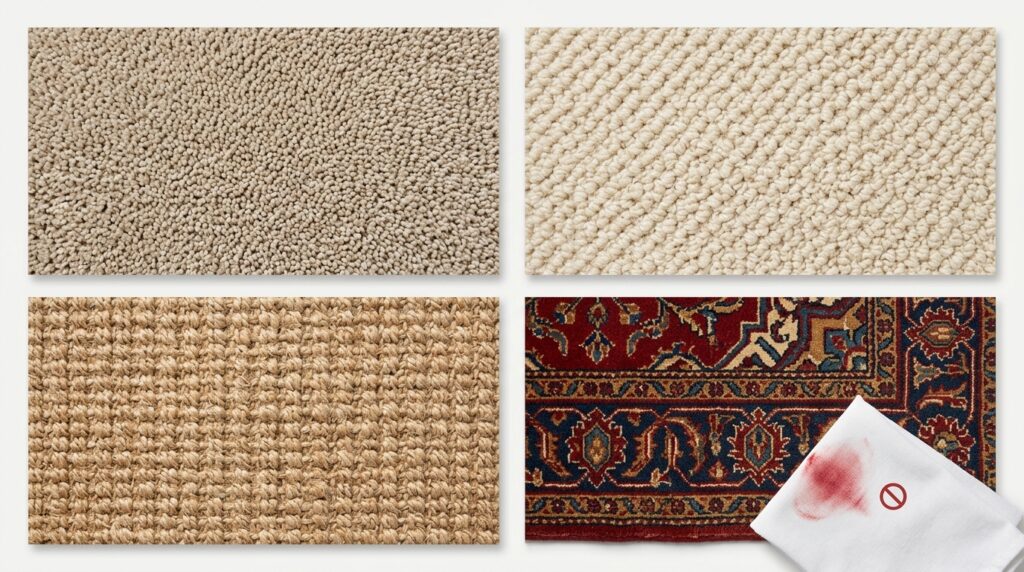
The phrase “safe for carpets” is too broad to make a decision for you. Carpet can mean a stain-resistant synthetic pile, a wool loop, a cotton-backed rug, or a handmade piece with unstable dyes. Check the label, warranty, purchase record, or maker guidance before you move past water and white towels.
| Surface | Lowest-risk start | What I would avoid without approval |
|---|---|---|
| Nylon, polyester, or olefin | Blot, light water, then a compatible spot remover after a hidden test | Saturation, repeated strong cleaners, or ignoring dye transfer |
| Wool or wool-rich carpet | Dry white towels, minimal cool water, and an approved wool product | Dish soap, peroxide, vinegar recipes, baking-soda paste, and untested spotters |
| Cotton, jute, sisal, silk, or handmade rug | Surface blotting and a specialist or maker’s instructions | Flooding, heat, oxidizers, scrubbing, and improvised acids or bases |
| Unknown or valuable rug | Towels only until you identify the fiber | Any “universal” cleaner, especially if a prior product remains in the pile |
The wool-care instructions for carpets and rugs specifically warn against general household detergents, dishwashing liquids, and soaps on wool. They may create rapid re-soiling, color bleeding, or pile and backing damage. This is a good reminder that the fastest online method is not automatically the safest one in your room.
Run a colorfastness test every time
Choose a hidden area, such as a closet corner or the back edge of a rug. Put the product on a white cloth, press gently into the fibers, and look for color transfer. Let the test area dry fully, because some color changes only show after moisture evaporates.
Test the exact solution you plan to use, not a weaker version or a different bottle. A product can be good for one fiber and wrong for another, and old spills may already contain another cleaning chemical. The test takes minutes and can prevent the kind of damage no spot remover can reverse.
Does vinegar and baking soda remove old coffee stains from carpet
Vinegar and baking soda can make an old coffee stain look busy, but visible fizz is not proof that the method is removing color from the fiber. Vinegar is an acid and baking soda is a base. The chemistry of their reaction shows that the bubbles are carbon dioxide created as the ingredients form water and sodium acetate.
That does not make either ingredient useless in every circumstance. It means the combination is not a magic stain solvent, and it gives you two residues to remove from a carpet. A wet paste can also push liquid down into the backing, while fine powder can stay in a dense pile and attract soil or make vacuuming harder.
If your carpet maker allows a vinegar step, use it as a measured, separate treatment, then rinse and dry before considering baking soda. Do not layer products merely because the foam looks active. The more variables you add, the harder it becomes to identify whether you lifted coffee, removed dye, or left a new residue.
How to remove coffee stain from carpet naturally
The most genuinely low-chemical method is not a complicated pantry recipe. Use dry white towels, a cloth lightly dampened with water, patient blotting, and fast drying. This removes free coffee while adding the fewest ingredients that could alter color or leave film.
Natural does not mean universally gentle. Lemon juice, vinegar, essential oils, and baking soda can still affect dye, pH, adhesive, or residue levels. I would choose simple water-and-towel work first, especially when you do not know the fiber.
How to remove coffee stain from carpet with baking soda
Baking soda is more useful as a dry moisture or odor aid after you have removed as much coffee as possible. On a manufacturer-approved synthetic carpet, you may apply a thin dry layer only after the spot is nearly dry, allow it to sit, then vacuum slowly from several directions. That is different from making a thick wet paste and grinding it into the pile. How to Remove Pet Hair From Carpet (15 Real Fixes) You love your dog.
Avoid using baking soda on wool, unknown rugs, or a spot you have not thoroughly rinsed. Powder can lodge in carpet and become another residue problem. If brown color still transfers to a white towel, go back to controlled blotting or a fiber-compatible spotter rather than adding more powder.
How to remove coffee stain from carpet without vinegar
You do not need vinegar to remove a coffee stain. Start with absorption, light water, and a compatible carpet spot remover if the dry result still shows color. This path is simpler to control because you are not balancing acid, detergent, powder, and water in the same small patch.
For a fresh black coffee spill, that may be all you need. For milk, cream, or syrup, choose a cleaner labeled for food or oily soil, use it sparingly, and rinse it out. The goal is a clean, dry fiber, not a dramatic reaction.
Hydrogen peroxide for coffee stains on carpet
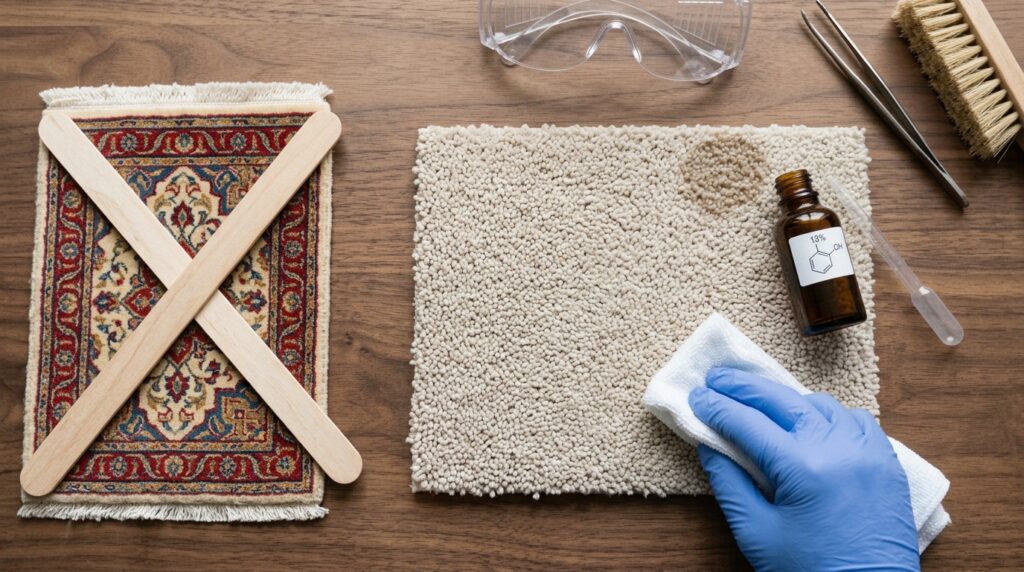
Fresh 3% hydrogen peroxide can lighten residual coffee color on some colorfast synthetic carpets. The consumer floor-and-furnishings guidance lists it as a later step, but it also warns against use on wool or other natural fibers without extensive testing because color loss can occur.
Use it only after basic blotting, water, and a compatible cleaner have failed. Test in a hidden area and let that spot dry. Then use a small controlled amount according to the product directions, keep it out of the backing, and rinse or extract as the guidance requires.
Peroxide is an oxidizer, not a harmless substitute for water. A pale mark can mean the coffee disappeared, but it can also mean the carpet dye disappeared. Stop immediately if you see lightening, yellowing, texture change, or color transfer.
Mrs Hinch coffee stain on carpet
This search phrase often brings up crowd-sourced tricks that use shaving foam, several sprays, or a mix of kitchen products. I could not find a single carpet-maker-tested procedure that makes those combinations safe for every fiber. Shaving foam is designed for skin, not for carpet pile, backing, dye, or rinse extraction.
Foam can contain surfactants, fragrance, moisturizers, and other ingredients that are hard to remove from textile pile. A spot can look better at first and turn darker later as residue holds soil. I recommend treating any viral cleaning tip as an idea to evaluate against your carpet label, not as a replacement for fiber-safe directions.
Why a Coffee Stain Can Reappear After You Clean It
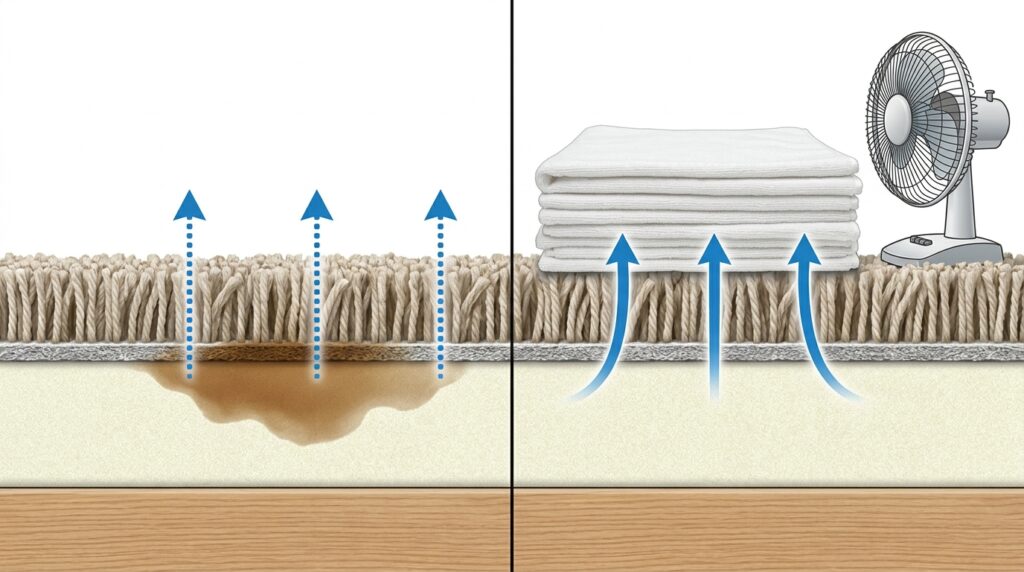
When a coffee spot looks gone while wet but returns after drying, you may be seeing wicking. Water-soluble material left lower in the pile, backing, or pad can travel upward as the moisture evaporates. The professional consumer explanation of wicking describes it as upward or outward migration during drying.
Let the spot dry completely before treating it again. Vacuum the dry pile slowly, then lightly mist distilled water on the visible area and blot with a white towel. If material transfers, keep the moisture light and repeat the blotting instead of flooding the carpet again.
For a deeper spill, cover the area with several layers of clean white towels and add a protected flat weight. Replace towels when they become damp or brown. This gives remaining moisture somewhere to go while the carpet dries, which is far more useful than repeatedly adding solution from above.
Residue looks a lot like a returning stain
Detergent residue can make a freshly cleaned circle attract soil faster than the surrounding carpet. The carpet spot-removal directions emphasize rinsing because detergent residue can cause rapid soiling. If the area feels sticky, crunchy, stiff, or foamy when you dampen it with plain water, focus on rinsing and extraction rather than more soap.
This is where a small compatible wet extractor can be more useful than another bottle. It removes dirty rinse water instead of moving it around with a cloth. For a large spill that reached the pad, professional extraction is often the more economical option because it tackles the depth of the problem.
When You Should Stop and Call a Professional
You do not need a professional for every small black-coffee drip. You should pause, however, when the stain is large, reaches the pad, reappears after proper drying, smells sour after a milk spill, or sits on wool, silk, jute, cotton, or a valuable handmade rug. Those are material and moisture problems, not a sign that you failed to find the right household hack.
Call sooner if you see dye transfer, a lightened ring, frayed pile, hard residue, or a pattern that changes when the carpet dries. Tell the cleaner what the drink contained, when it spilled, how much was spilled, and every product already used. That treatment history is genuinely useful because it prevents incompatible chemistry and helps them distinguish coffee from cleaning damage.
If you want to buy a spot cleaner before an emergency, look for three things: a clear fiber-compatibility label, exact rinse directions, and a method that uses a small amount of liquid. Avoid hard-surface cleaners, bathroom sprays, unknown social-media mixtures, or any product that does not tell you how to remove it from the pile.
How to remove old coffee stains from clothes
Carpet advice should not be copied directly onto clothing. For washable fabric, sponge or soak the coffee mark with cool water, pretreat it with a fabric-safe laundry product, and wash it according to the care label. Keep the item out of the dryer until you confirm the stain has gone, because heat can make remaining color harder to correct.
The coffee-and-tea laundry directions recommend cool water, pretreatment, and laundering with a fabric-safe bleach option where appropriate. They also note that older coffee stains may respond to a product containing enzymes. Treat silk, wool, dry-clean-only fabric, and a treasured item as specialist jobs rather than experiments.
If the garment had milk or cream on it, do not skip the pretreatment. Protein and fat need a different cleaning route from plain coffee color. Rinse from the back of the stain where possible so you push soil out of the fabric rather than deeper through it.
Expert Tips I Would Use Before the Next Spill
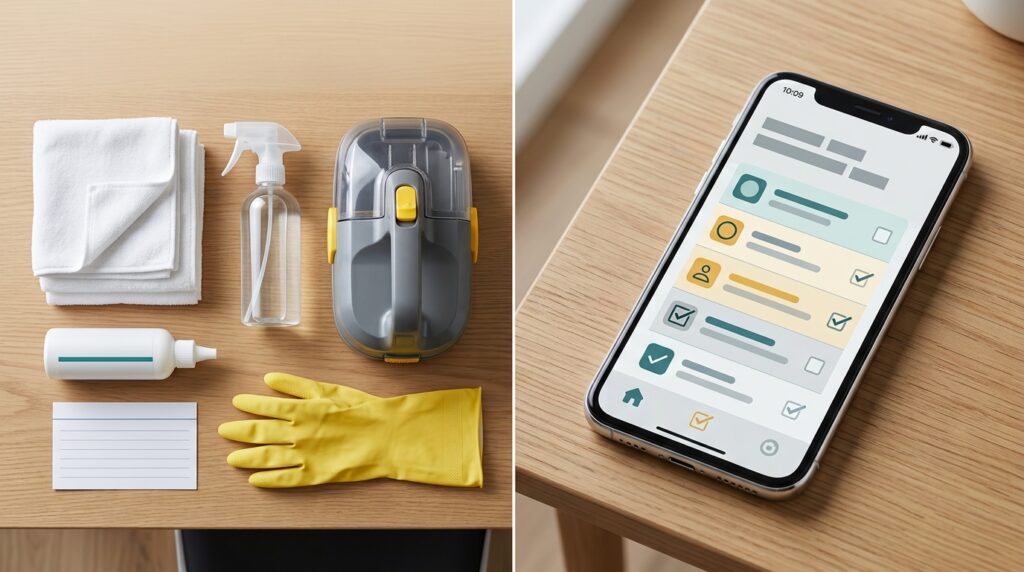
The useful part of coffee stain removal is not owning every cleaner. It is having a small system ready before you need it. I would keep white towels, a fine-mist bottle, a fiber-appropriate spotter, and a simple record of carpet material in an easy-to-reach place.
- Count towel transfers, not applications. Keep using a step while material moves to the towel. When transfer stops, pause and inspect instead of adding a stronger agent from habit.
- Use one-new-variable rule. Change one thing at a time, such as water, then a tested spotter, then a carefully tested oxidizer. This makes the result easier to read and keeps you from creating a chemical mystery in the carpet.
- Dry before you judge. A wet carpet can hide residual brown color, dyed fiber lightening, and a wicking problem. Give the area a full dry cycle before you decide that the stain is permanent or needs a different treatment.
- Document a deep spill. A quick photo, the drink ingredients, and a list of what you used can save time if you call a cleaner. It also stops you from accidentally repeating a failed mixture several days later.
- Never mix cleaners for extra power. The household chemical safety advice warns that mixing products can create hazardous reactions, especially when bleach meets acid or ammonia. Follow one product label and ventilate the room instead of chasing a stronger smell or more foam.
Frequently Asked Questions
Are coffee stains permanent on carpet?
Coffee stains are not always permanent, especially when you blot a fresh spill quickly and use a method that suits the fiber. Removal becomes less certain when the coffee contains milk, sugar, or dye, when it reaches the pad, when the carpet is wool or natural fiber, or when several cleaners have already been layered over it.
Some marks that look like leftover coffee are actually dye loss, residue, browning, or worn pile exposed by cleaning. Those problems need a different solution and may not be reversible at home. The safest choice is to stop when a method no longer produces towel transfer.
Can I use dish soap to remove a coffee stain?
On a colorfast synthetic carpet, a measured dilute dishwashing-detergent solution can be a fallback when water is not enough. The carpet-specific ratio is one-quarter teaspoon per cup of lukewarm water, and it must be rinsed thoroughly. Do not use more because extra soap can attract soil later.
Do not use this approach on wool, natural-fiber rugs, or a carpet whose maker says otherwise. If you are not sure what your carpet contains, use white towels and water only while you check the care instructions. That delay is safer than treating an unknown rug as ordinary synthetic carpet.
Does coffee stain a carpet more if it has milk or sugar?
Milk, cream, sugar, and syrup make the spill more complicated because they add fat, protein, or sticky residue to coffee color. The brown mark may lift while an odor or soil-attracting film remains. Use a compatible product for food soil only if the fiber and label allow it, then rinse and dry fully.
If the drink was heavily sweetened or creamy, inspect the spot after it is dry rather than assuming the first clean worked. A sticky or dull feel usually signals residue. A sour odor can signal that deeper material still needs extraction.
Is hydrogen peroxide safe for colored carpet?
Not automatically. Hydrogen peroxide can lighten residual coffee on some colorfast synthetic carpet, but it is an oxidizer and can remove carpet dye. Test it in a hidden area, allow the test to dry, and never use it casually on wool, natural fibers, or an unknown rug.
The more delicate the carpet, the more likely professional assessment is worth the cost. If a peroxide test makes the hidden area lighter, do not use it on the visible spot. A faint coffee stain is usually preferable to an obvious color-loss patch.
What is the fastest way to dry carpet after a coffee spill?
First, press dry white towels into the pile until they stop getting wet. Then place a fresh towel stack over the spot, replace it when damp, and create airflow with a fan. Avoid closing the area under a plastic cover or using so much water that the pad stays wet beneath a dry-looking surface.
If the spill covered a large area or soaked through to the pad, a wet extractor or professional cleaning service is faster and safer than air drying alone. Quick surface drying does not prove the backing is dry. That is why a stain can return even after it first appears clean.
Conclusion: Use the Smallest Effective Step
The best answer to how to remove a coffee stain from carpet is not a dramatic cleaning recipe. Blot first, identify the drink and fiber, use the smallest effective amount of moisture or cleaner, rinse what you add, and let the carpet dry before you judge the result.
Start with a white towel and a controlled water step today. If the stain reaches the pad, involves wool, keeps returning, or begins to change the carpet color, stop escalating and get a qualified cleaner to protect the flooring you already have.