


Choosing the Right HVAC Contractor for Your Home
We rely on our heat pumps for comfortable homes all year, but like any hardworking appliance, they need care. The average heat pump lasts 10 to 15 years, but with proper attention, some can reach 20 years or more. Neglecting maintenance, however, can cut this short, leading to higher energy bills and unexpected breakdowns. For homeowners seeking to maximize their system’s lifespan and efficiency, recognizing the importance of proper heat pump maintenance is vital. Ensuring your system receives cost-effective HVAC services is key to its longevity. This guide will help you choose the right HVAC contractor, ensuring your heat pump receives the expert care it needs to perform its best for years to come.
When selecting an HVAC contractor to maintain or install your heat pump, their qualifications are paramount. A reputable contractor demonstrates expertise through various credentials, ensuring your system is in capable hands. We always look for state licensing, which confirms they meet minimum regulatory standards. Beyond that, comprehensive liability insurance protects both the homeowner and the service provider in case of unforeseen incidents.
NATE (North American Technician Excellence) is a top industry certification. NATE-certified technicians have proven skills in HVAC work. Also, meeting Energy Skilled standards shows a commitment to saving energy and getting proper training. We choose contractors who invest in ongoing training because HVAC technology and refrigerants change fast. This continuous learning keeps them up-to-date on the best ways to care for your heat pump.

Evaluating Professional HVAC Services for System Sizing
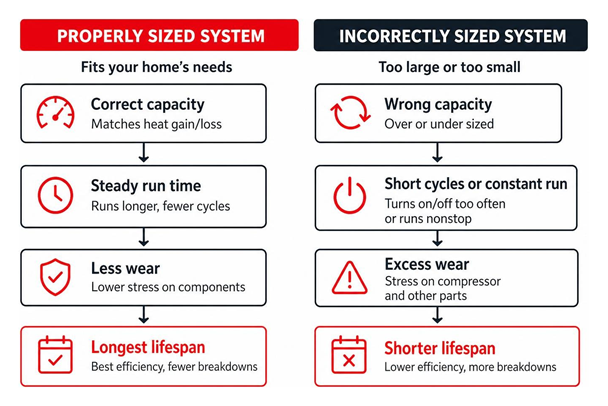
Getting the right size heat pump is the most important thing for its performance and lifespan—even more important than regular maintenance. A good HVAC tech will never guess the size you need. Instead, they do a detailed calculation using industry standards. This check looks at your home’s size, ceiling height, windows, insulation, and local weather to figure out exactly how much heating and cooling your house needs.
Wrongly sized systems cause wasted energy and break down fast. A heat pump that is too big turns on and off too much. This strains parts like the compressor and shortens its life. A system that is too small runs all the time and struggles to heat or cool your home in extreme weather, which also wears it out. Pros also check your ducts. Even a correctly sized unit will not work well if the ducts cannot move air properly. We make sure our contractors know that getting the right size is the most important step for a lasting system.
Transparency in Pricing and Maintenance Agreements
A transparent approach to pricing and service agreements is a hallmark of a trustworthy HVAC contractor. Before any work begins, we expect to receive clear, written estimates that detail all costs involved, from parts to labor. Many reputable contractors offer flat-rate pricing for common services, which means you know the total cost upfront, avoiding unexpected hourly charges.
A good contractor will always stand behind their work with warranties on parts and labor. This gives you peace of mind so you won’t pay extra if a problem happens right after a repair. When looking at service plans, always check the details. A good plan clearly states what is included in tune-ups, which parts are covered, and what perks you get. Knowing these rules helps you get great care for your heat pump with no hidden costs.
How Proper Installation Dictates Long-Term Heat Pump Performance
Getting a heat pump installed correctly is the most important step for making it last and run well. Even the best equipment will break down early if it is put in wrong. A good HVAC technician knows installation is more than just hooking up wires and pipes. They focus on important details like airflow, correct refrigerant levels, and managing temperature changes. These steps keep the parts from wearing out too fast, so the system works well for years.
Verifying Airflow Pathways and Ductwork Integrity
Airflow is the lifeblood of a heat pump system. Restricted or imbalanced airflow forces the unit to work harder, leading to reduced efficiency, increased energy consumption, and accelerated wear on critical components like the blower motor and compressor. A professional installation includes a thorough verification of airflow pathways and ductwork integrity. This involves checking for and sealing any duct leaks, which can account for significant energy loss.
If a home has only one main return vent, contractors might suggest adding jumper ducts, cutting the bottoms of doors, or installing transfer grilles to help airflow. They also check the air pressure inside the ducts to make sure air moves easily. Good airflow does more than keep you comfortable; it helps the heat pump move heat the right way. This stops problems like frozen coils in the summer or weak heating in the winter. We know these basic checks are key to making your heat pump last longer.
Impact of Accurate Refrigerant Charging on Compressor Health
The compressor is often referred to as the heart of the heat pump, and its longevity is heavily dependent on accurate refrigerant charging. Refrigerant is the medium that absorbs and releases heat, and the precise amount within the system is crucial. An undercharged system will struggle to cool or heat effectively, leading to reduced capacity and increased energy bills. More critically, it can cause the compressor to overheat and eventually fail.
An overfilled system causes high pressure that stresses the compressor. It can also send liquid refrigerant back into the compressor, which ruins it. Expert technicians use special tools to check the refrigerant levels precisely. They also check for leaks to stop refrigerant from escaping. Keeping the right amount of refrigerant protects the compressor and helps the heat pump last longer.
Maintenance Protocols That Maximize Heat Pump Efficiency
To keep a heat pump running well and lasting longer, it needs regular professional care. This means doing routine check-ups and seasonal inspections to stop problems before they start and save you money on repairs. These services usually involve cleaning dirt off the coils so the system can transfer heat easily, and adjusting the blower to make sure the air flows the right way.
For a broader maintenance checklist, read our guide to proactive residential plumbing and HVAC care, which explains how regular inspections can identify developing problems before they become expensive repairs.
Regular professional service is a smart investment that saves you money by preventing costly breakdowns and lowering your energy bills. Proper maintenance keeps your heat pump running efficiently, reduces wear and tear, and helps it last much longer.
Key Criteria for Ongoing HVAC Services and Tune-Up Plans
When evaluating ongoing HVAC service providers, especially for heat pumps, we look for comprehensive tune-up plans that go beyond basic checks. Many reputable contractors offer annual maintenance contracts that provide peace of mind and often include benefits like priority scheduling for service calls. A thorough tune-up should encompass a detailed electrical inspection, ensuring all connections are secure and components are functioning safely.
Capacitor testing is another critical step, as capacitors are common failure points that can lead to compressor damage if not addressed proactively. Lubricating moving parts, such as fan motors, reduces friction and wear. These detailed checks are designed to identify potential issues early, allowing for minor adjustments or repairs before they escalate into major system failures. Regular adherence to such a plan can add several years to a heat pump’s life, keeping it running smoothly and efficiently.
Critical Component Inspections During Seasonal Visits
Professional seasonal visits are essential for a heat pump, which works year-round to provide both heating and cooling. During these inspections, technicians meticulously examine critical components that are prone to wear or impact system performance. This includes checking the reversing valve, which switches the heat pump between heating and cooling modes; any malfunction here can render the unit ineffective in one mode.
Technicians also check the defrost controls, especially before winter, to make sure the outdoor unit can melt ice and heat efficiently. Electrical switches, called contactors, are checked for damage that could cause the system to fail. Drain lines are cleared to stop water leaks that can damage your home. Finally, the thermostat is tested to make sure it reads the temperature correctly. These simple checks help your heat pump run well, avoid breakdowns, and last longer.
Navigating Major Repairs Versus System Replacement
Deciding whether to repair a failing heat pump or replace it entirely is a common dilemma for homeowners. This decision often hinges on several factors, including the equipment age, the cost of the repair, and the potential for future issues. A general guideline often cited is the “50% rule”: if the repair cost exceeds 50% of the cost of a new system, replacement is usually the more financially sound option. We also consider the cumulative repair costs over the past few years; if frequent repairs are adding up, it might be time for a new unit.
We also look at the hidden costs of running an old system. Older heat pumps use much more electricity than modern units. A new, high-efficiency heat pump saves energy, which helps pay for itself over time. While a big repair seems cheaper today, an old, inefficient system will keep wasting money and likely break down again soon. Replacing it is usually the smarter financial choice.
Frequently Asked Questions About HVAC Contractors
How often should a home heat pump receive professional servicing?
For optimal performance and longevity, a home heat pump should receive professional servicing at least once a year. Since heat pumps provide both heating and cooling, many experts and manufacturers recommend biannual inspections—once in the spring before the cooling season and again in the fall before the heating season. This proactive approach ensures the system is prepared for seasonal demands, maintains efficiency, and helps validate manufacturer warranty requirements. Regular maintenance can significantly extend the heat pump’s lifespan, often allowing it to exceed its average 10-15 year expectancy.
What certifications indicate a qualified HVAC technician?
Look for these key certifications when choosing an HVAC technician:
- EPA Section 608: A federal rule showing they know how to handle refrigerants safely.
- NATE Certification: A trusted badge proving skill in specific HVAC areas.
- Energy Skilled Program: Shows they focus on energy-saving methods.
- State Licensing: Proves they follow local laws and basic standards.
- Brand Training: Shows they are experts in specific equipment brands.
How does poor contractor installation reduce equipment lifespan?
Bad contractor installation can shorten a heat pump’s life and lower its efficiency. Common problems include wrong sizing, which causes the unit to turn on and off too much or run constantly, wearing out the parts. Incorrect refrigerant levels also strain the system and can cause it to break. Poor ductwork restricts airflow, making the system work harder. Also, a poorly sloped drain line can cause water damage. Overall, these mistakes lead to a shorter lifespan and higher energy use.
Conclusion
Choosing the right HVAC contractor is not merely about addressing immediate repair needs; it’s a strategic investment in your home’s long-term comfort, energy efficiency, and the durability of your heat pump system. By prioritizing contractors with strong qualifications, transparent practices, and a commitment to meticulous installation and maintenance protocols, you ensure your heat pump receives the expert care it needs. This informed approach to hiring helps maximize your system’s operational life, translates into significant energy savings over time, and ultimately contributes to consistent, reliable home comfort for many years to come.