



If you have been typing flowers that start with C into Google and getting the same recycled list on every single page, I get it. I did the same thing three summers ago when I was redesigning my front bed and wanted something that started with the letter C to go with my daughter’s name, Clara. What I found back then was a lot of copy-paste lists with no real growing advice, no honest opinions, and no photos that actually helped me picture the plant in my own yard.
So this guide is different. I have grown a handful of these flowers myself, killed a few of them (sorry, ranunculus-adjacent cosmos, you deserved better), and talked to local nursery staff about which ones actually hold up in a real garden and not just in a stock photo. You will get the full list, plus my honest take on which ones are worth your money and which I would skip.
Quick Answer: Popular Flowers That Start With C
Before we go deep, here is the short list if you are in a hurry. These are the most common flower names that start with C you will see at garden centers across the country:
- Carnation
- Calla Lily
- Camellia
- Clematis
- Cosmos
- Chrysanthemum
- Columbine
- Crocus
- Cornflower
- Celosia
- Cyclamen
- Coneflower
- Canna Lily
- China Aster
- Candytuft
Now let us go through each category properly, because search intent for this keyword is not just “give me a list.” People want pictures, meanings, and real advice, which is exactly what my most-visited flower guide on this site, Flowers That Start With A, tries to deliver too.
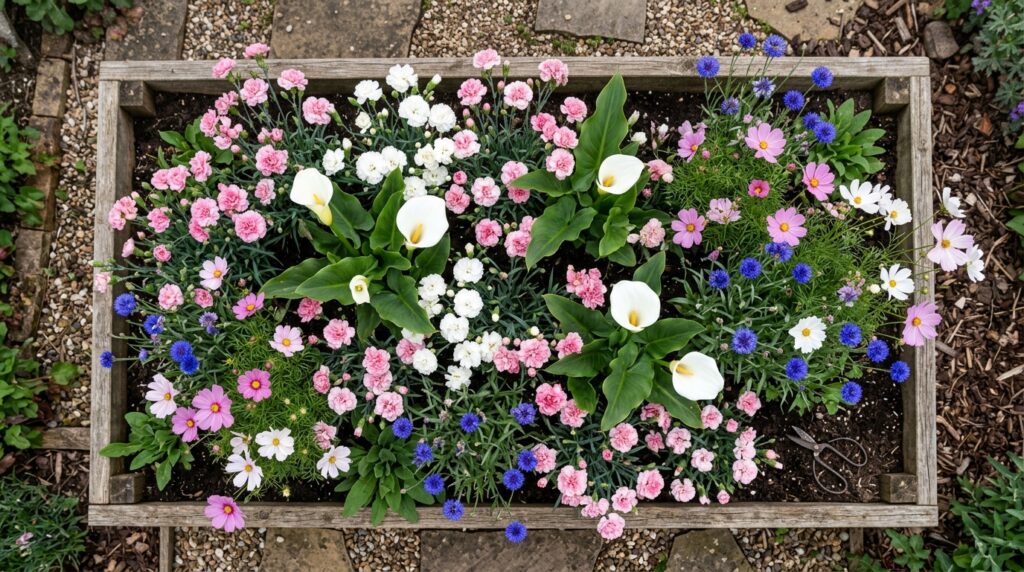
Why I Started Collecting “C” Flowers in the First Place
My obsession started small. I planted one pot of cosmos on my back patio because a neighbor gave me a packet of seeds she had left over. Within eight weeks, I had this tall, airy plant covered in pink and white blooms that butterflies could not leave alone. That single pot is the reason half of my backyard is now a rotating cast of C-named flowers.
What I like about this letter specifically is the range. You get delicate wildflowers like cornflower, tropical showstoppers like canna lily, and cottage garden classics like clematis, all in one alphabet slot. Very few letters give you that much variety, which is part of why “C” flower lists rank so well and get searched so often.
Types of Flowers That Start With C (The Full List)
Here is where I break down the most popular types of flowers that start with C, one by one, with the details I wish I had when I first started planting.
Carnation (Dianthus caryophyllus)
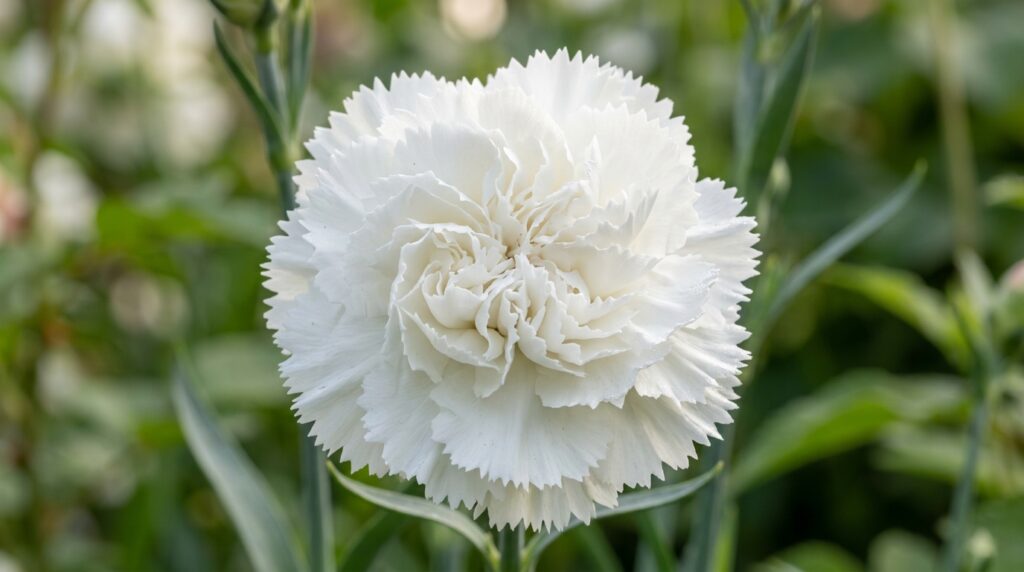
Carnations are one of the oldest cultivated flowers on record. According to Britannica, they belong to the pink family, are native to the Mediterranean region, and have been prized for centuries for their fringed, spicy-scented petals, which are widely used in the floral industry. If you want a flower that lasts and lasts in a vase, this is it. Mine have sat on my kitchen table for almost three weeks before wilting, and florists at The Bouqs Co. confirm that, with proper care, carnations can last close to three weeks as cut flowers, making them among the longest-lasting blooms you can buy.
Carnations also carry serious cultural weight. Spain claims the carnation as its national flower, and Ohio adopted the red carnation as its state flower thanks to a connection with President William McKinley. If you are picking flowers for a wedding or a Mother’s Day bouquet, carnations are almost impossible to go wrong with because they read as both classic and affordable.
My take: Buy a bundle from a local farmers market instead of a grocery store. The stems are fresher and last noticeably longer in my experience.

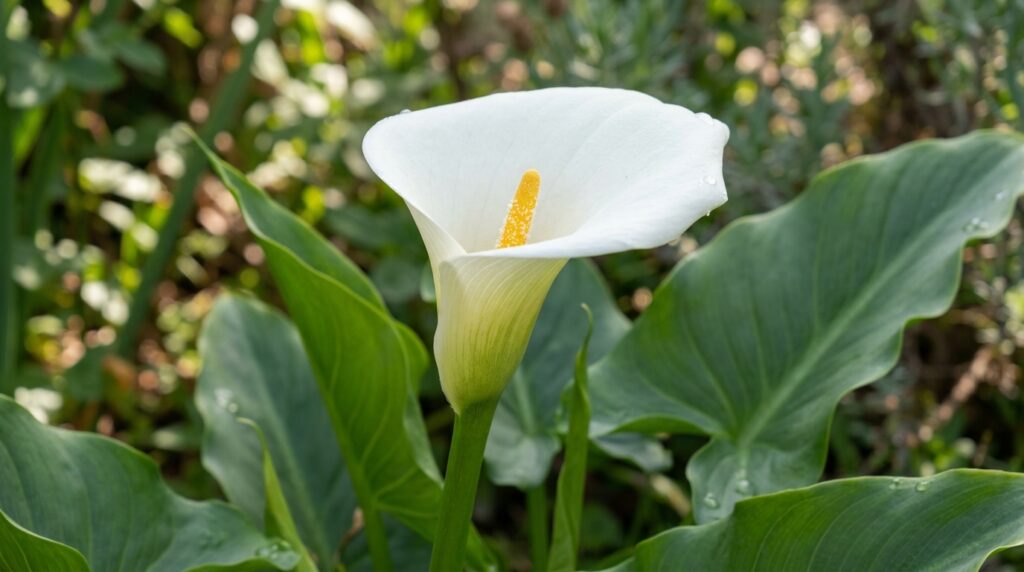
Calla Lily (Zantedeschia)
Calla lilies are gorgeous, but here is a fact most lists skip: they are not actually true lilies. As Gardenia.net explains, despite its common name, the calla lily belongs to the Araceae family, also known as the arum family, placing it in the same broader group as plants like caladium and monstera rather than true lilies. That distinction matters if you are researching pet safety.
Speaking of pets, this is important if you have curious cats or dogs at home. The ASPCA’s plant toxicity database lists calla lilies as toxic to both dogs and cats, due to insoluble calcium oxalate crystals that can cause oral irritation, drooling, and difficulty swallowing if a pet chews or ingests part of the plant. I learned this the hard way when my cat took one curious bite of a leaf and spent an afternoon drooling at me as I had personally betrayed her. She was fine, but it was a stressful few hours.
My take: Beautiful for indoor arrangements and weddings, but keep them well out of reach if you have pets or toddlers who put everything in their mouths.
Camellia
Camellias are the closest thing you will get to a rose-shaped flower that blooms in the dead of winter. They are broadleaf evergreen shrubs, which means they give you structure in your yard all year and then explode into layered, rose-like blooms from late fall through early spring depending on the variety. This is actually one of the best answers if you have ever searched “what is a rose-like flower that starts with C,” because camellias genuinely fool people into thinking they are roses until they get close and notice the glossy, leathery leaves.
Interestingly, camellias are cousins of the tea plant, Camellia sinensis, which is the source of green, black, and oolong tea. So technically, if you have ever had a cup of tea, you have already met a camellia relative.
My take: Plant camellias somewhere protected from harsh afternoon sun and strong winter wind. Mine sulked for a full year in a too-sunny spot before I moved it to part shade, and now it blooms every winter without complaint.

Clematis
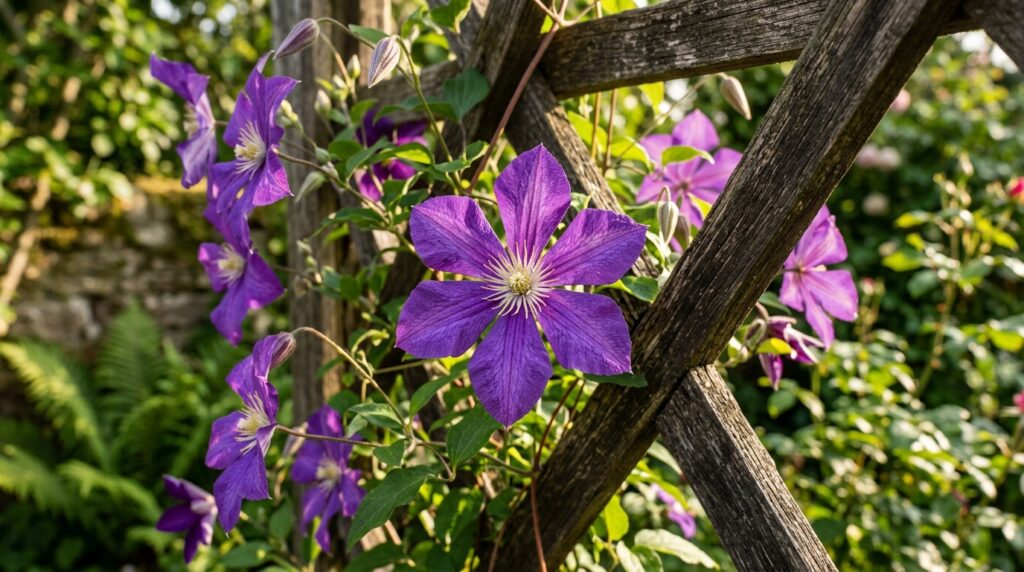
Gardeners often call clematis the “queen of climbers,” and once you grow one on a trellis or arbor, you understand why. The vines can climb 10 feet or more in a single season and produce huge, star-shaped flowers in purple, white, pink, and deep burgundy. If you are working on a vertical garden or trying to soften a fence line, this is one of the most rewarding flowers that start with CH… well, technically it starts with just C, but people searching “flowers that start with CH” are often hoping for clematis, chrysanthemum, or china aster to show up, so it deserves a mention here too.
My take: Clematis famously likes “cool feet and a warm head,” meaning the roots want shade while the vine wants sun. I mulch heavily around the base and plant a low perennial in front of it to shade the roots, and it has made a noticeable difference in bloom size.

Cosmos
This is the flower that started my whole C-flower obsession, so I am a little biased, but cosmos genuinely deserves the hype. It is one of the easiest annual flowers you can grow from seed; it tolerates poor soil, and it blooms non-stop from summer through the first frost. Bees and butterflies treat a patch of cosmos like an all-you-can-eat buffet.
My take: Do not over-fertilize cosmos. I made this mistake my first year, gave them rich soil and regular feeding, and ended up with tall floppy plants and barely any flowers. Poor-to-average soil actually produces a bushier plant with far more blooms.

Chrysanthemum
Chrysanthemums, or “mums,” are the backbone of fall garden displays across the country. In Japan, the chrysanthemum is deeply tied to the Imperial family and appears on the official Imperial Seal, which tells you how much cultural weight this flower carries outside of grocery store fall displays. In the language of flowers, chrysanthemums often represent joy, longevity, and loyalty, which is why they show up so often at both celebrations and memorials depending on the color and region.
My take: Buy mums in bud form, not full bloom, if you want the display to last through the whole autumn season instead of peaking the week you bring them home.

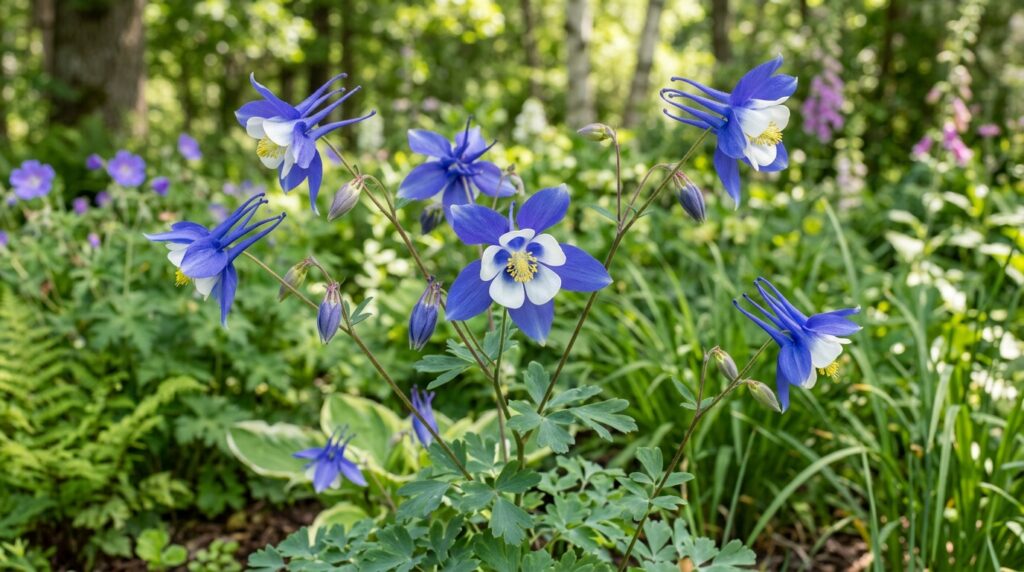
Columbine (Aquilegia)
Columbine is a woodland perennial with delicate, spurred flowers that genuinely look like little bells or, depending on who you ask, a cluster of doves. According to Wikipedia, Aquilegia coerulea has been the official state flower of Colorado since 1899, and its blue and white coloring even matches the Colorado state flag. If you garden at higher elevations or in a shaded woodland-style bed, columbine is one of the most reliable native perennials you can plant.
My take: Columbine self-seeds generously. I planted three the first year and now have a small drift of them coming back every spring without any extra work from me.
Crocus
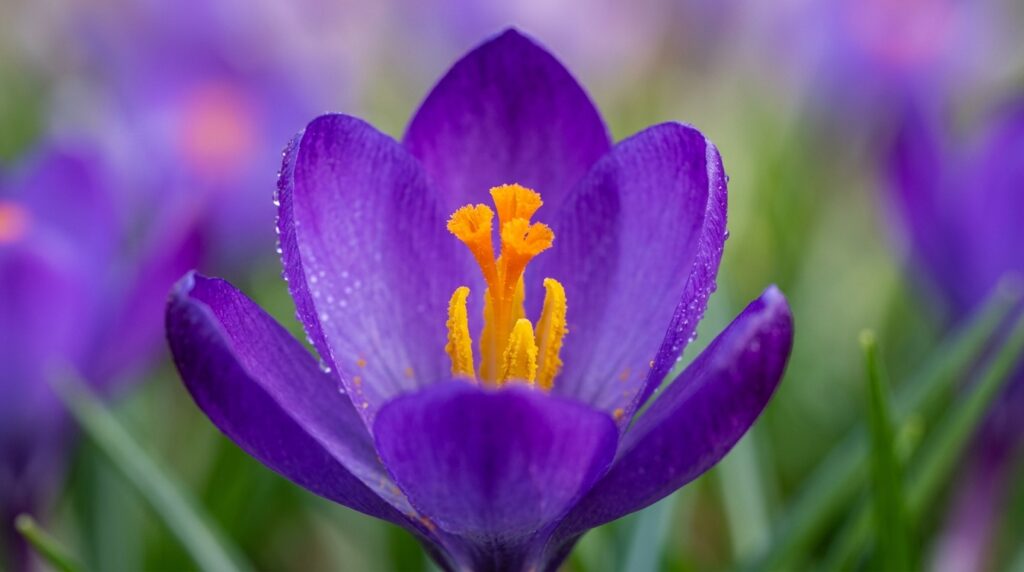
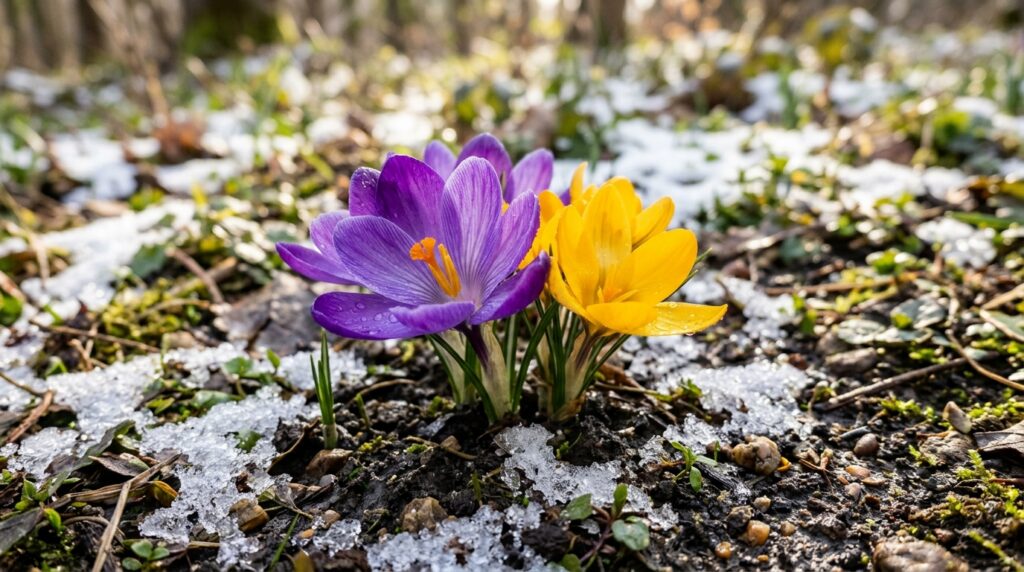
Crocus flowers are usually the very first sign that winter is ending, often pushing up through leftover snow in late winter. But the species Crocus sativus deserves its own spotlight because it produces saffron, the most expensive spice in the world by weight. Farmers’ Almanac’s growing guide explains that each delicate purple flower yields only three crimson stigmas, which must be hand-harvested at dawn and carefully dried to produce the spice. It genuinely takes tens of thousands of flowers to produce a single pound of saffron, which explains the price tag at the grocery store.
My take: Regular spring crocus bulbs are cheap and nearly foolproof. I toss a bag of them into my lawn every fall and they come back reliably every February, long before anything else in my yard wakes up.
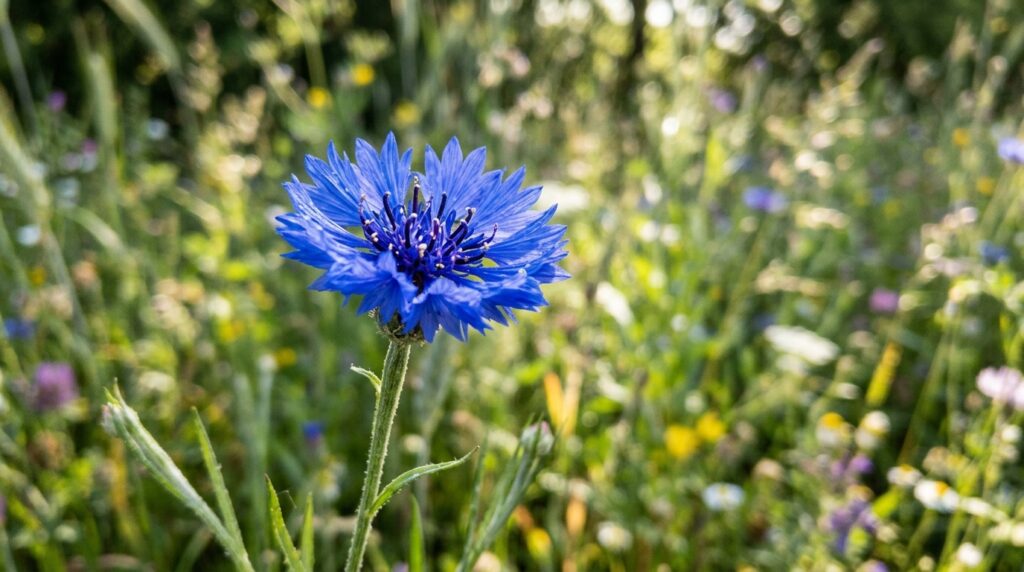
Cornflower (Centaurea cyanus)
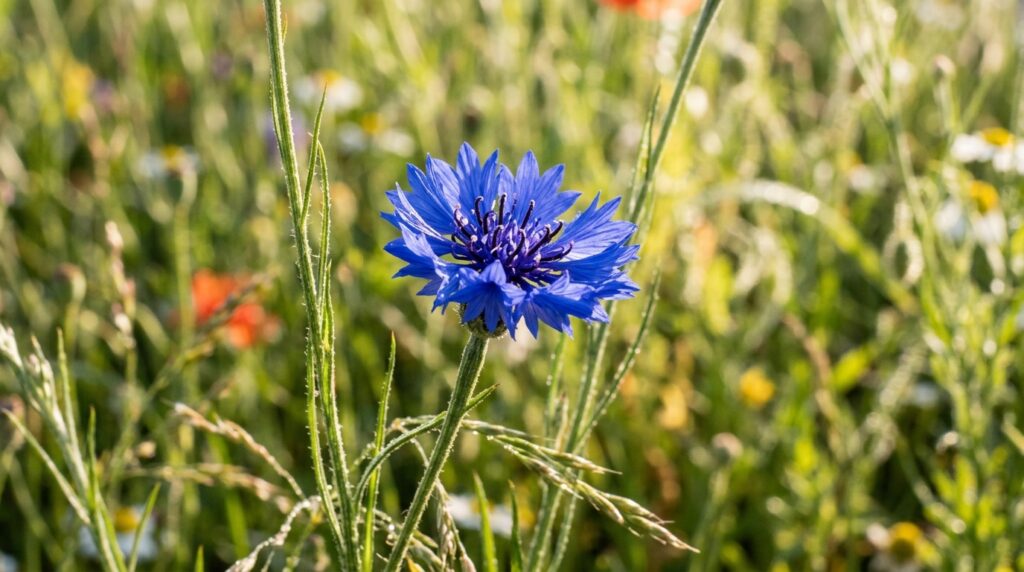
Cornflower, also called bachelor’s button, is a wildflower with electric blue, fringed petals. It is easy to grow from seed, self-seeds readily, and is a favorite of pollinators, especially bees. If you want a cottage-style meadow look without much effort, cornflower is one of the lowest-maintenance options on this entire list.
My take: Mix cornflower seed directly into a patch of poor soil where nothing else will grow. It genuinely performs better in lean conditions than in rich garden beds.
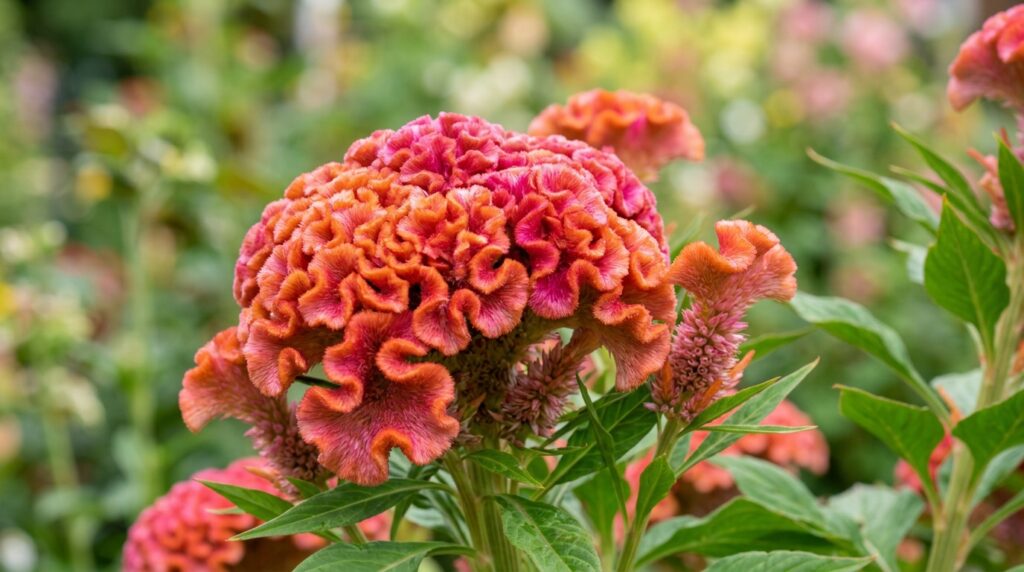
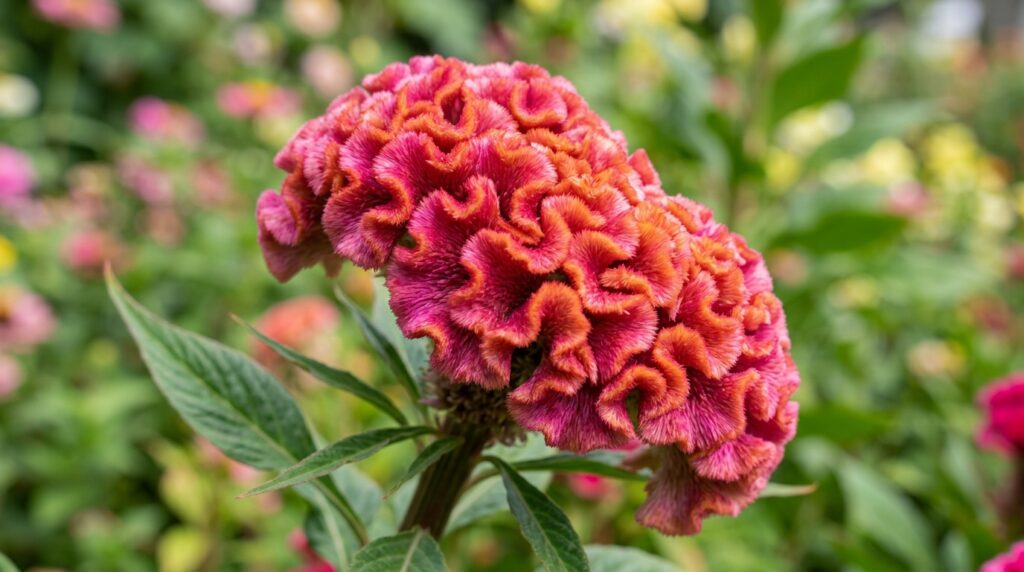
Celosia
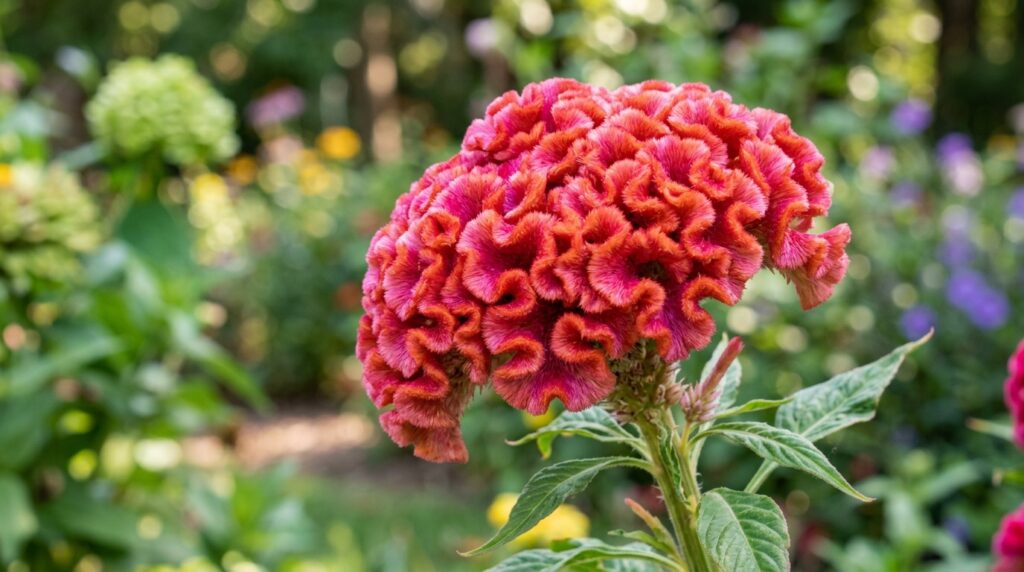
Celosia flowers come in two dramatic shapes: the plume type, which looks like a soft feathery flame, and the crested type, which looks strikingly like coral or a brain, which is exactly why it earned the nickname “cockscomb.” They hold their color for weeks and dry beautifully, which makes them a favorite for dried flower arrangements.
My take: If you like unusual textures in a bouquet, celosia is worth growing just for the conversation it starts with guests.
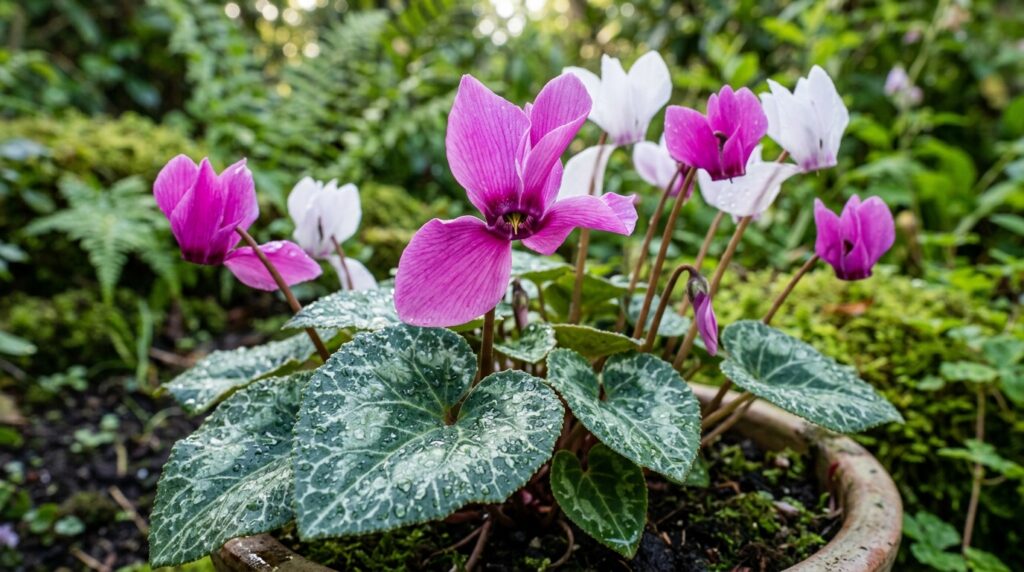
Cyclamen
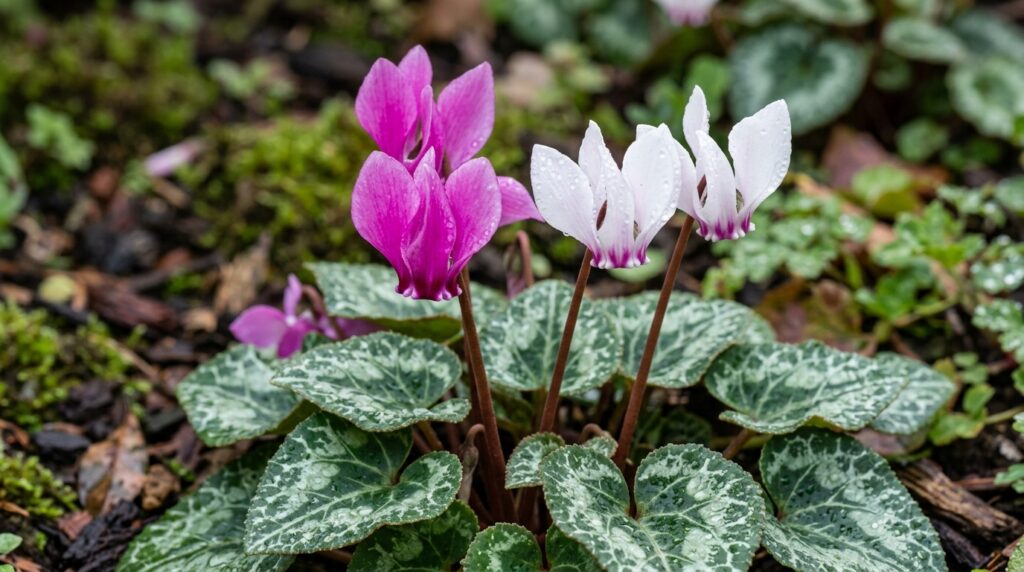
Cyclamen is a compact flowering plant with swept-back petals that almost look like little shooting stars or butterflies frozen mid-flight. It is a popular winter houseplant because it actually prefers cooler indoor temperatures, unlike most houseplants that want warmth.
My take: Keep cyclamen away from direct heating vents. Mine struggled every winter until I moved it to a cooler windowsill room, and it has thrived ever since.
Coneflower (Echinacea)
Coneflower, often sold as echinacea, is a tough, drought-tolerant perennial with a raised central cone surrounded by drooping petals in purple, pink, orange, or white. It is a pollinator magnet and the source of the herbal supplement echinacea, commonly used in immune-support products, though I always recommend checking with a doctor before using any herbal supplement.
My take: Leave the seed heads standing through winter. Goldfinches love them, and watching birds pick at your garden in January is a nice reminder that the season will turn again.

Canna Lily
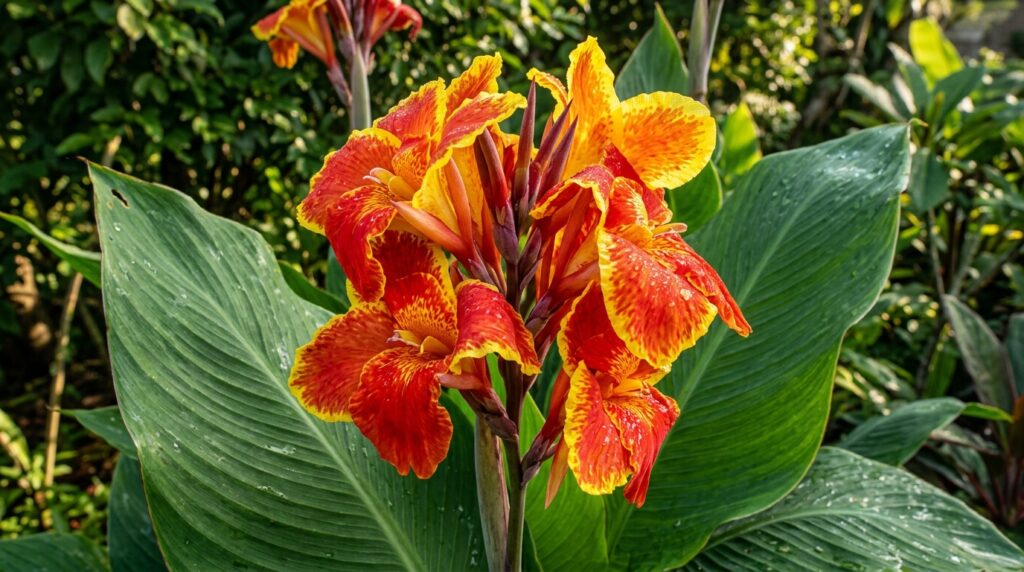
Canna lilies bring big, tropical drama with broad paddle-shaped leaves and tall spikes of red, orange, or yellow flowers. They are technically grown from rhizomes, not true bulbs, and they multiply fast once established.
My take: In colder climates, dig up the rhizomes before the first frost and store them in a cool, dry place over winter, just like you would with dahlias.
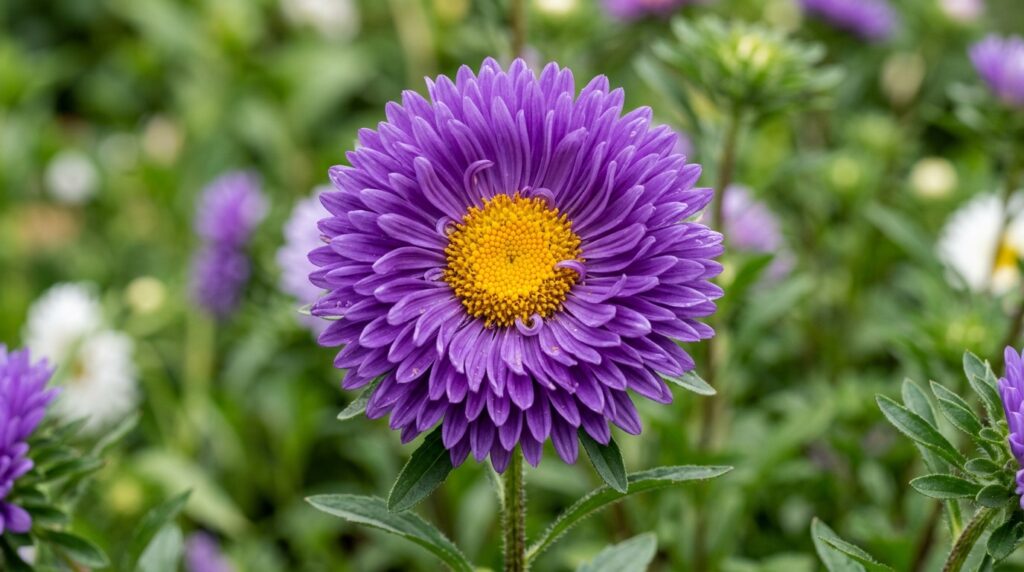
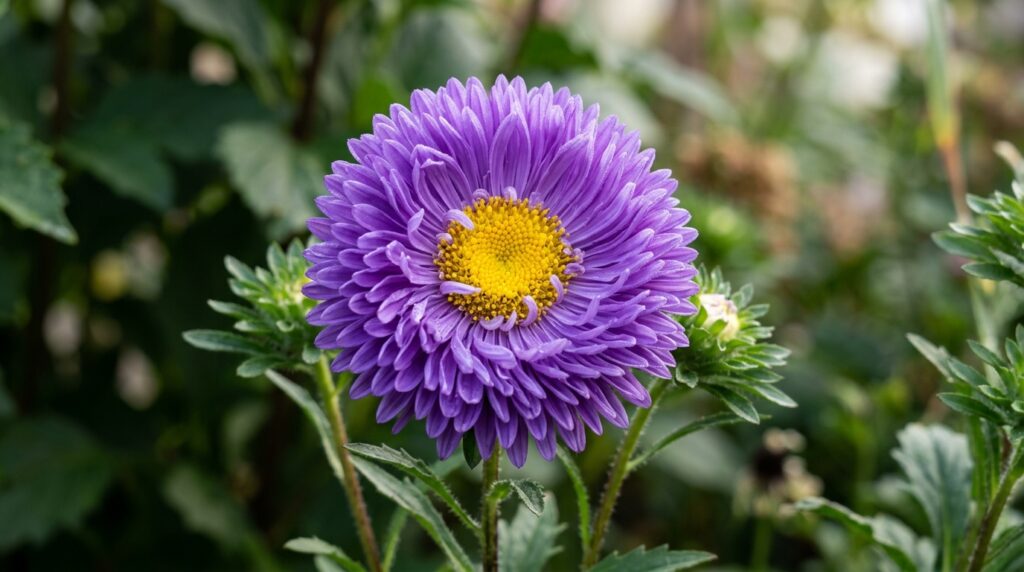
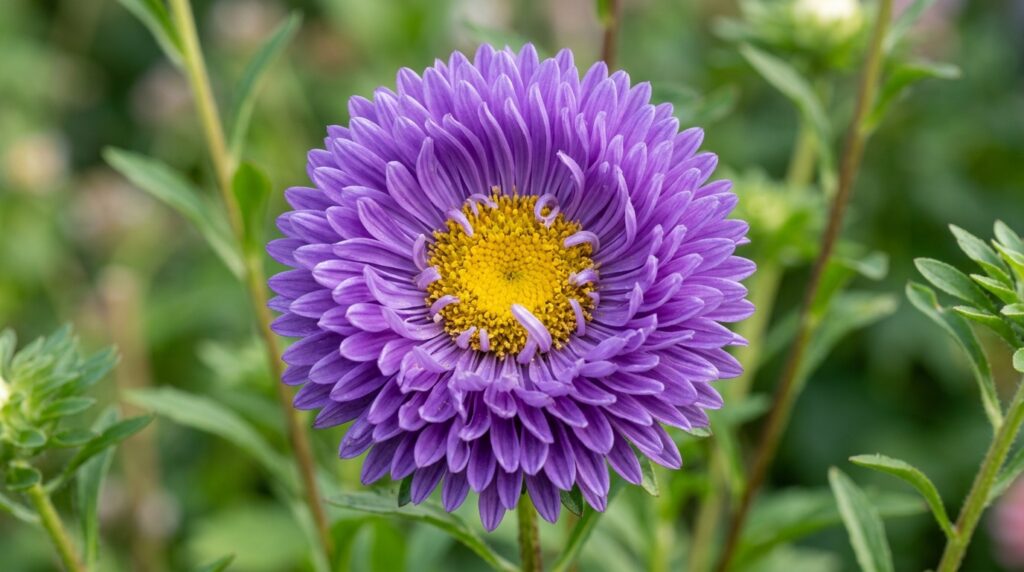
China Aster (Callistephus chinensis)
China aster is an annual with daisy-like or double, chrysanthemum-style blooms in purple, pink, and white. It is a favorite for cutting gardens because the stems are long and sturdy, and the blooms hold up well once cut.
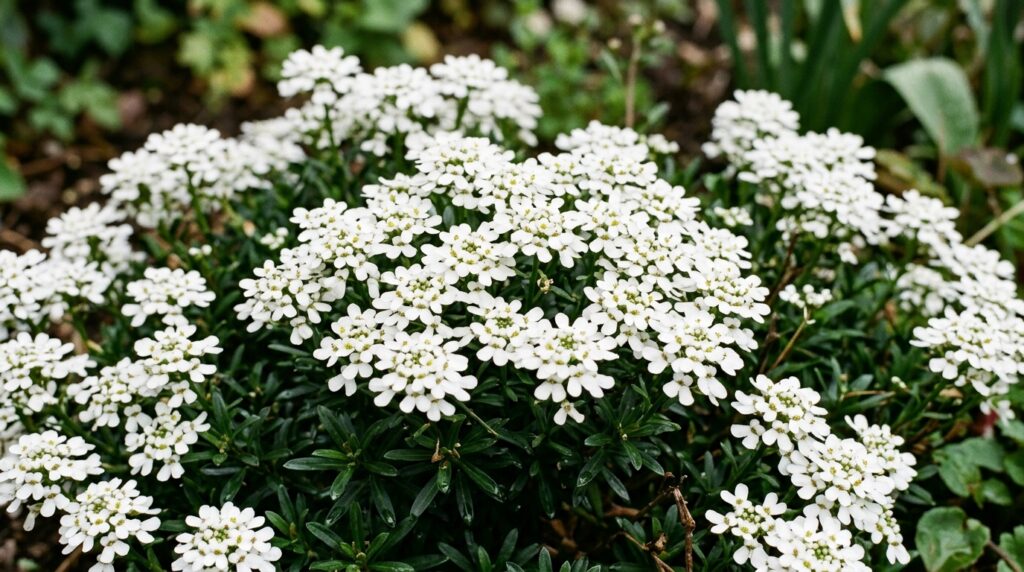
Candytuft (Iberis)
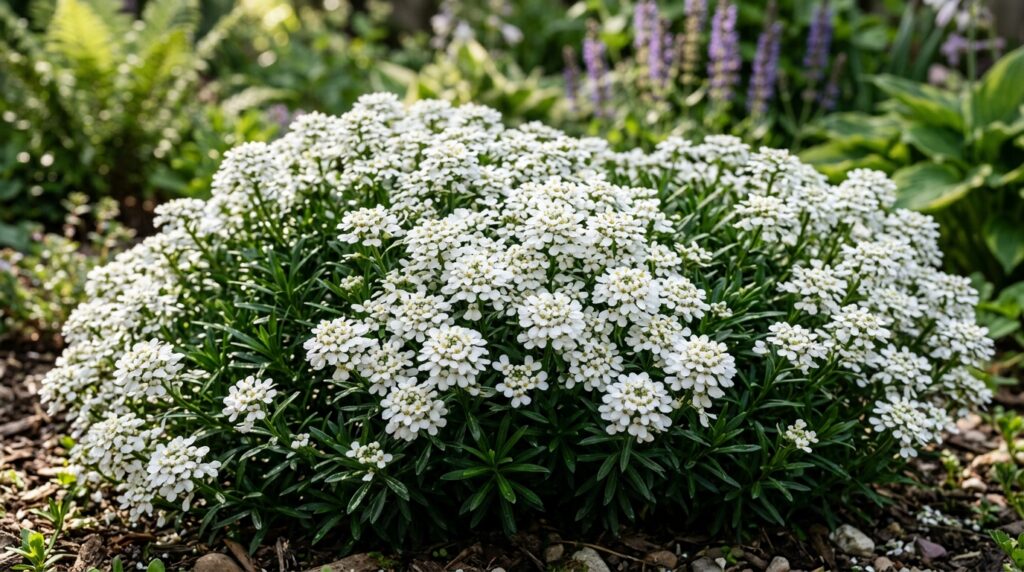
Candytuft is a low, spreading ground cover that produces a dense carpet of small white, pink, or purple flowers in early spring. It works beautifully cascading over rock walls or garden edges.
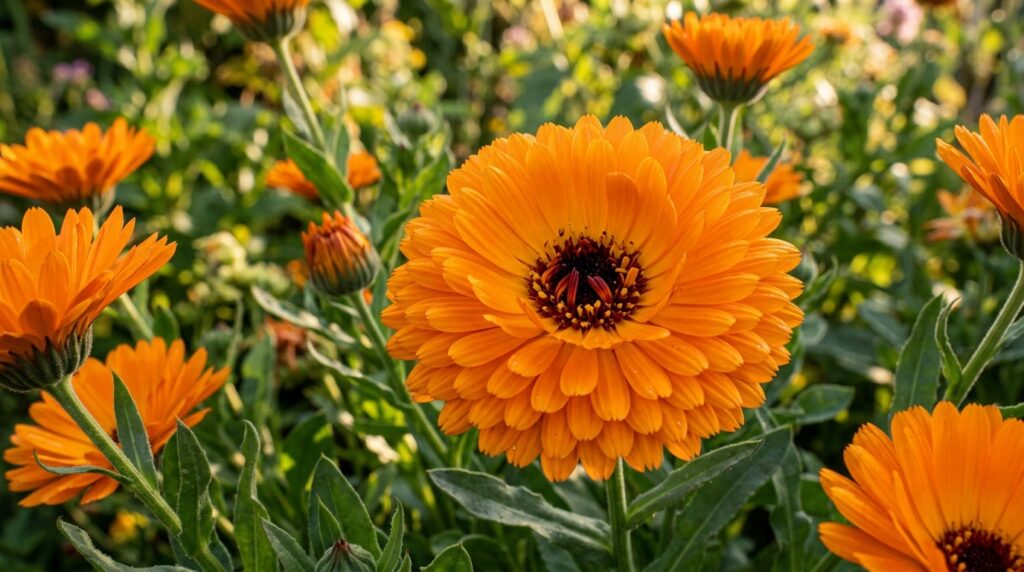
Calendula (Pot Marigold)
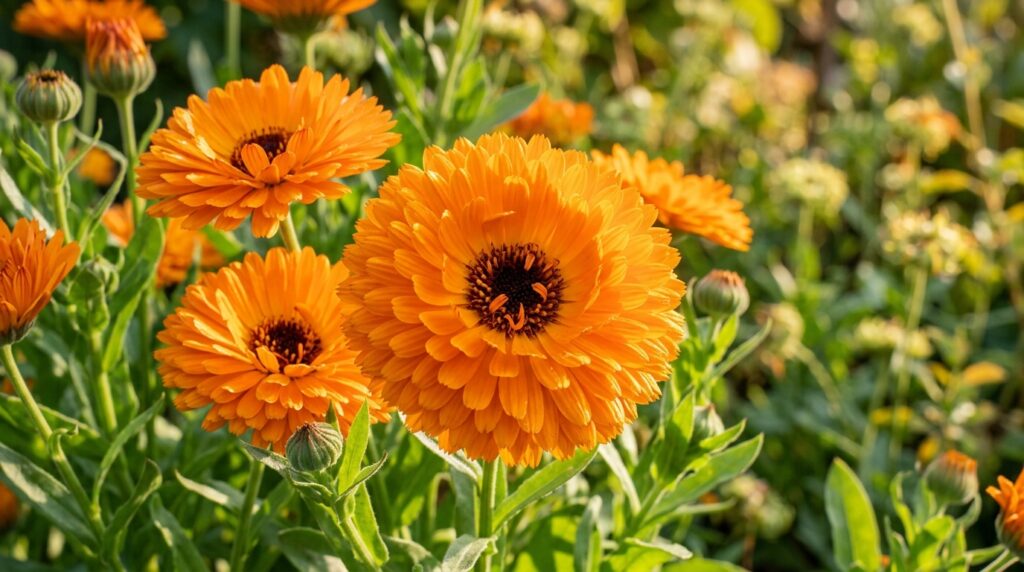
Calendula is one of the most useful flowers on this entire list because it is not just decorative. The bright orange and yellow petals are edible, frost-tolerant, and have a long history of being used in skin salves and homemade balms. I keep a patch near my kitchen door specifically because I use the dried petals in a simple calendula oil for dry skin in winter.
My take: Calendula reseeds itself so reliably that once you plant it, you rarely need to buy seed again. It is one of the lowest-effort, highest-reward flowers I grow.
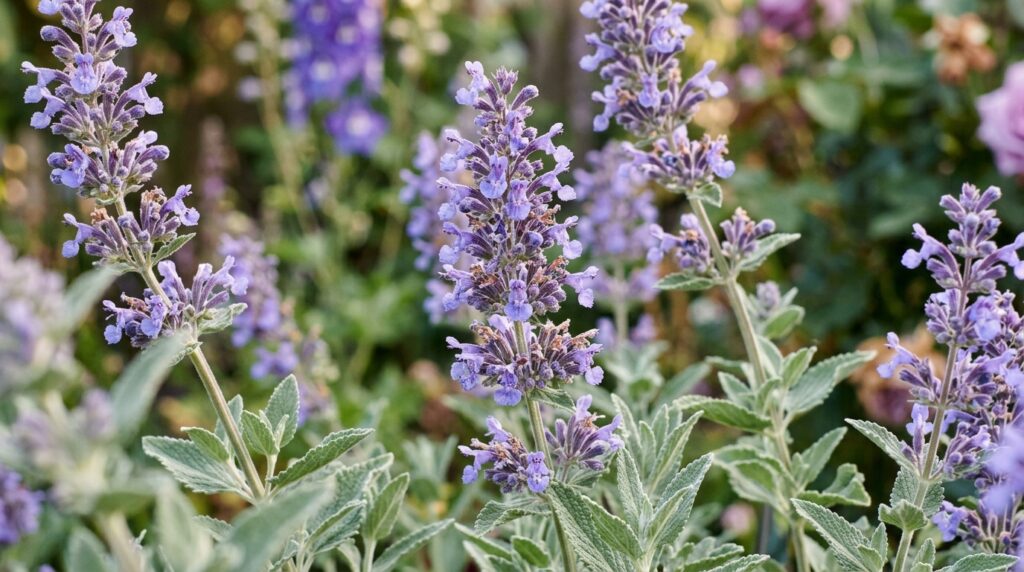
Catmint (Nepeta)
Catmint is a soft, silvery-leafed perennial with spikes of lavender-blue flowers that bloom from late spring straight through fall if you shear it back mid-season. It is closely related to catnip, and yes, my cat absolutely notices the difference between the two, though catmint does not trigger the same reaction in most cats.
My take: Plant catmint along a walkway. It softens hard edges beautifully, and the bees treat it like a highway rest stop all summer long.
Cattleya Orchid
Cattleya orchids are the large, ruffled, fragrant orchids you typically see in corsages and high-end floral arrangements. They are epiphytic, meaning in their native habitat they grow attached to trees rather than in soil, which is why home growers need a chunky orchid bark mix instead of regular potting soil.
My take: These are not a beginner houseplant. I killed my first Cattleya by watering it like a normal houseplant. Once I switched to the “soak and fully dry out” method that most orchid growers recommend, it has bloomed reliably every year since.

Cotoneaster (Flowering Shrub)
Cotoneaster is a flowering and fruiting shrub covered in small white or pink blossoms in spring, followed by bright red berries that last well into winter and feed birds when little else is available. It is a workhorse plant for foundation planting because it tolerates poor soil and needs almost no attention once established.

A Few More Worth Knowing
Rounding out the list to 30, here are a handful more that did not need a full write-up but are worth knowing by name:
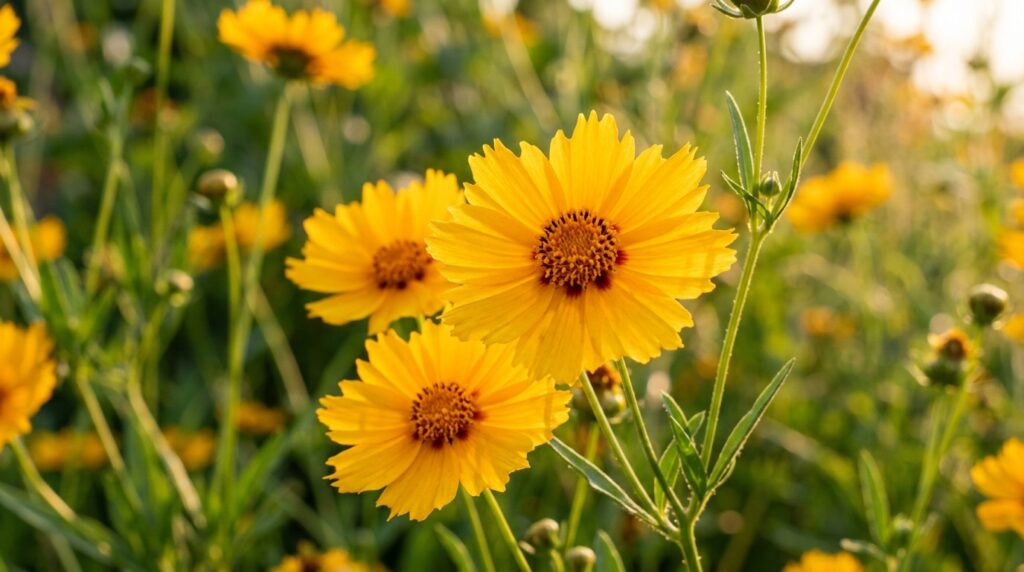
Coreopsis
A cheerful, daisy-like perennial that blooms non-stop through summer with almost no care.
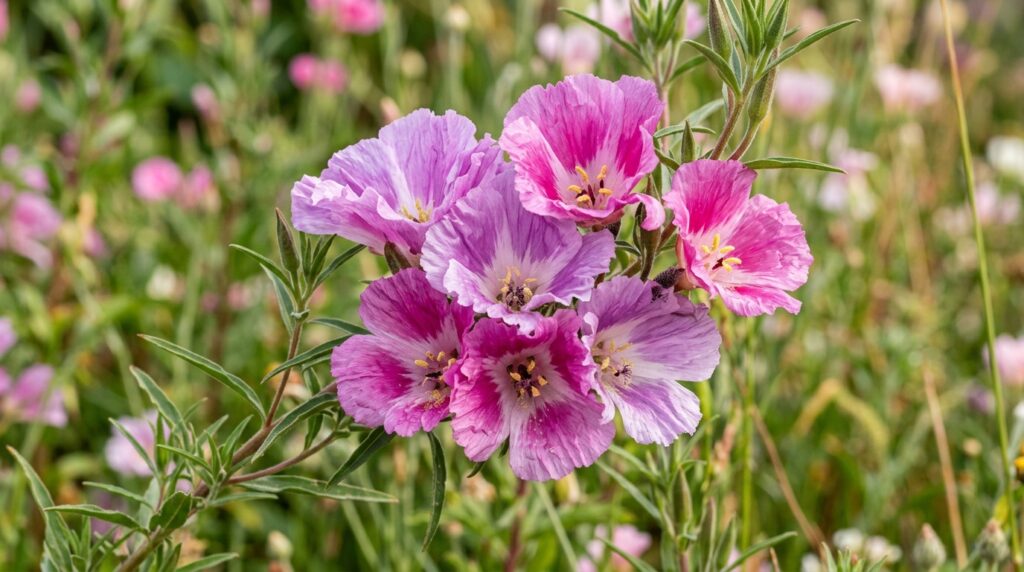
Clarkia
A delicate, ruffled wildflower native to the West Coast, great for cutting gardens.
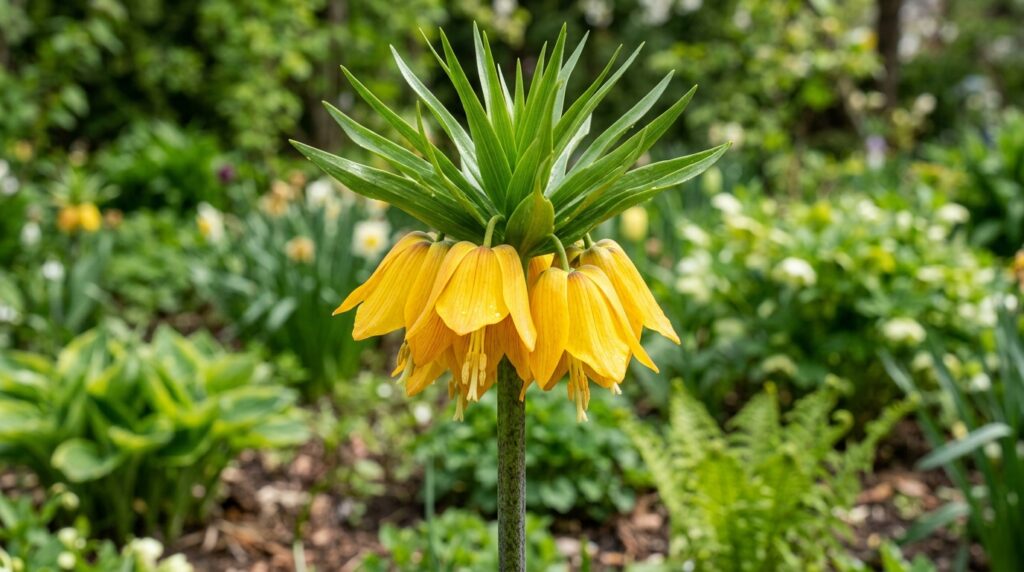
Crown Imperial (Fritillaria imperialis)
A tall, dramatic bulb with a ring of orange or yellow bells and a skunky scent that keeps deer away.
California Poppy
California Poppy is the official state flower of California, with silky orange petals that close up at night.

Chinese Hibiscus
Chinese Hibiscus is a tropical shrub with huge trumpet-shaped blooms, popular in warm climates and as a patio container plant.

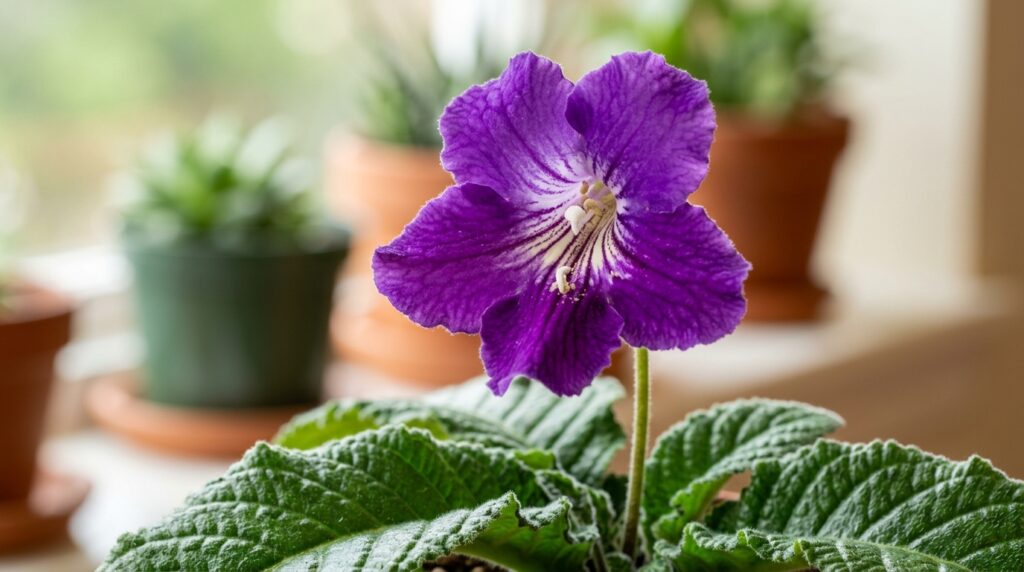
Cape Primrose (Streptocarpus)
Cape Primrose is a shade-loving houseplant relative of the African violet, with velvety leaves and tubular flowers.
Crape Myrtle
Crape Myrtle is technically a flowering tree, but such a summer staple across the South that it earns a spot on this list.

What Do C Flowers Actually Mean?
One thing I did not expect when I got into gardening was how much symbolism gets attached to specific flowers. If you are choosing a flower for a gift, a tattoo, or a baby name inspiration, here is a quick reference table for the meanings most commonly associated with popular C flowers.
| Flower | Common Symbolic Meaning |
|---|---|
| Carnation | Love, fascination, distinction (varies by color) |
| Calla Lily | Purity, elegance, rebirth |
| Camellia | Admiration, longevity, refined beauty |
| Clematis | Mental beauty, cleverness, ingenuity |
| Cosmos | Order, harmony, peace |
| Chrysanthemum | Joy, longevity, loyalty |
| Columbine | Foolishness in older folklore, but also faithfulness |
| Crocus | Cheerfulness, renewal, the first sign of spring |
| Cornflower | Hope, delicacy, single blessedness |
| Coneflower | Strength, healing |
I like knowing the meaning behind what I plant. It sounds a little sentimental, but when my daughter Clara was born, I planted a small ring of clematis around our mailbox specifically because the name felt right, and every spring when it blooms I think about that first year with her.
White Flowers That Start With C
If you are searching specifically for white flowers that start with C, here is a focused shortlist for bridal bouquets, moon gardens, or a calming monochrome bed. I have grown or arranged most of these myself, so here is what to expect from each.
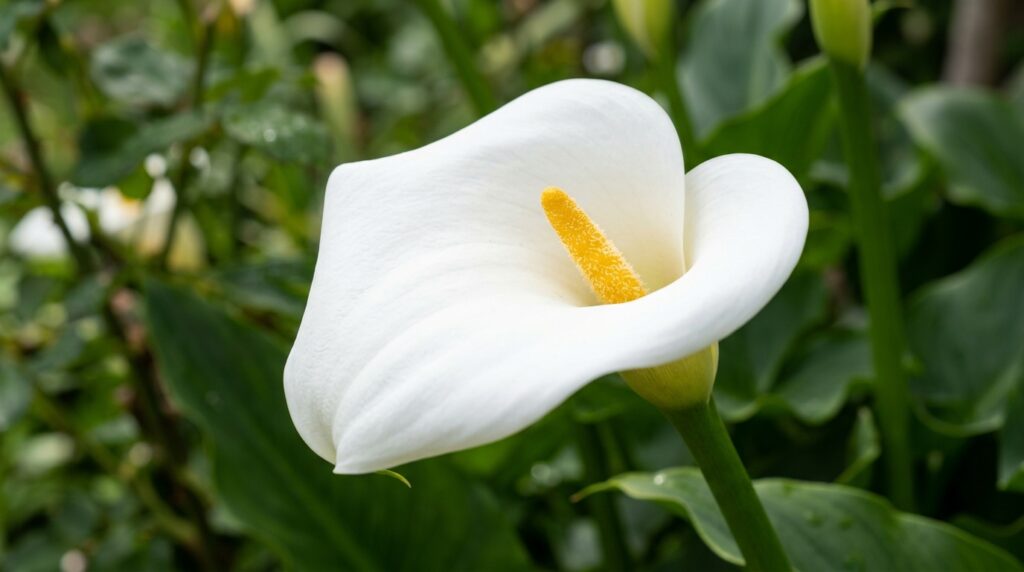
White Calla Lily
This is the classic wedding flower, with a smooth, trumpet-shaped bloom that photographs beautifully and holds its shape for days once cut. It pairs well with greenery on its own, so you do not need a busy bouquet to make it stand out.
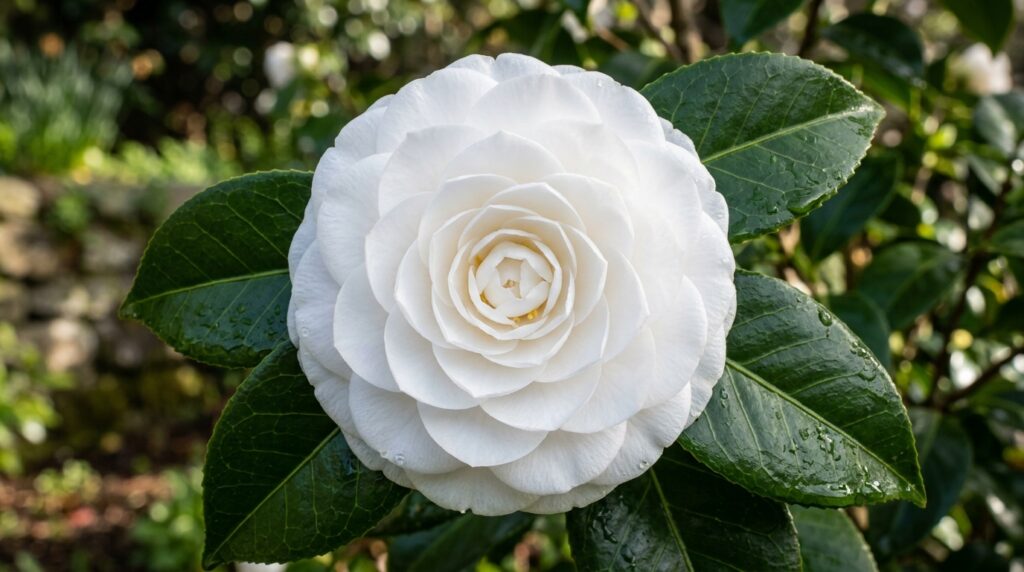
White Camellia
A layered, rose-like bloom that opens in late fall through early spring, when almost nothing else in a white garden is flowering. I use mine as a centerpiece plant near my front porch specifically because it blooms when the rest of the yard looks bare.
White Cosmos
Airy, daisy-like, and covered in feathery foliage, white cosmos brings a soft, meadow feel to a bed instead of the crisp formality of calla lily or camellia. It also reseeds itself, so a single packet can fill a bed for years.

White Chrysanthemum
A dense, full bloom that is the backbone of most fall arrangements. White varieties in particular are popular for memorial displays and sympathy bouquets because of their association with grief and remembrance in many cultures.

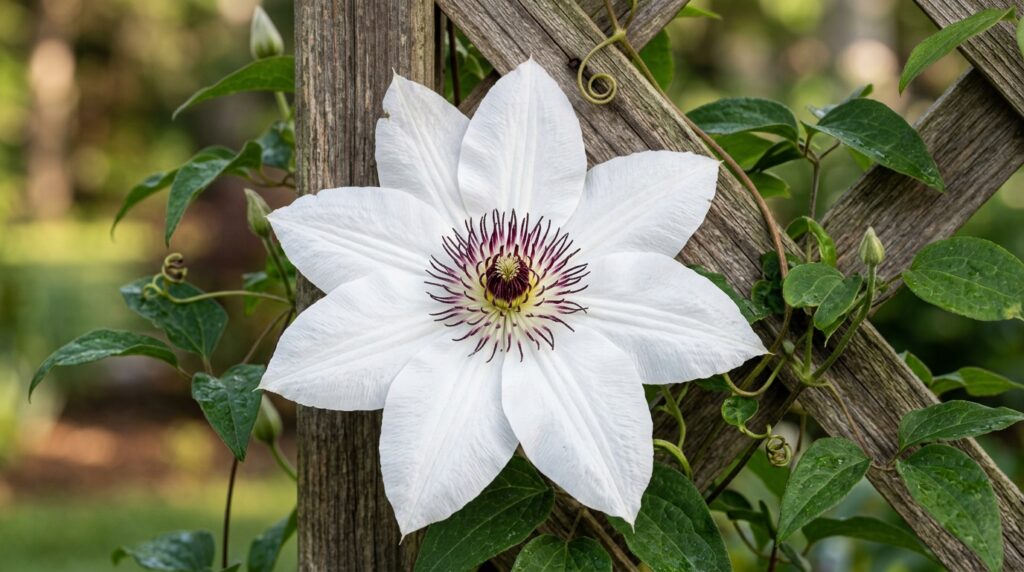
White Clematis (such as the variety ‘Henryi’)
A climbing vine with large, star-shaped flowers that can cover a trellis or arbor in white blooms by midsummer. It needs a sturdy structure to climb and shaded roots to thrive, which I cover in more detail below.
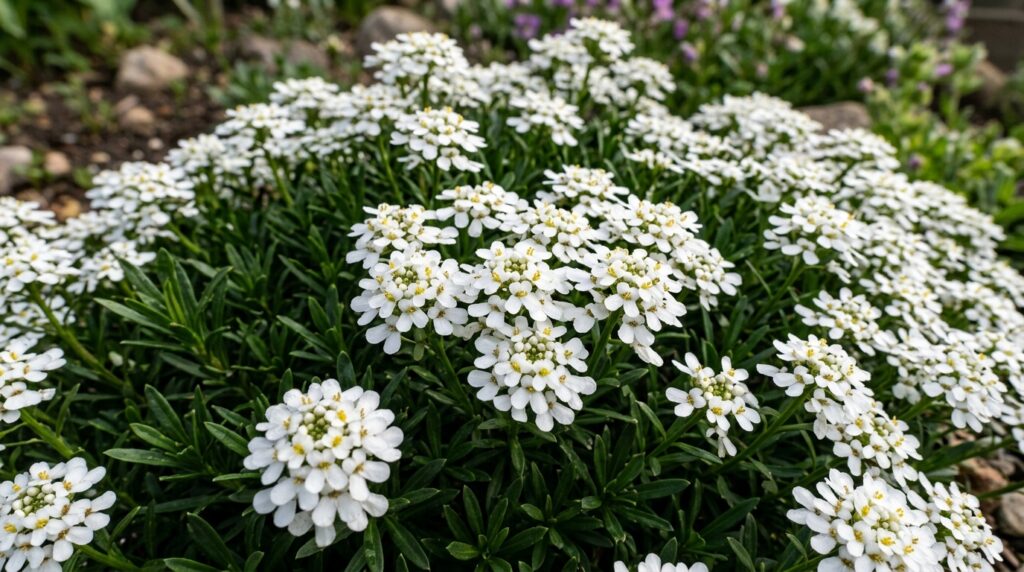
Candytuft
A low, spreading ground cover that forms a tight carpet of small white flowers in early spring. I use it to soften the edges of stone paths, since it spills naturally over hard lines.
White Carnation
Long-lasting, affordable, and available at almost any grocery store or florist. White carnations, in particular, carry symbolic weight, often associated with pure love, luck, and remembrance across cultures, which is part of why they are so common at both weddings and memorial services.
Purple Flowers That Start With C
Purple is one of the richest colors you will find across this letter. If you are decorating a bed around this shade, check out my full guide to dark flowers for even more moody color pairings. Here is what each of these purple flowers that start with C brings to a garden.
Clematis
Many purple cultivars are available, ranging from soft lavender to deep violet, and a single well-established vine can produce dozens of large, star-shaped blooms across a whole season. It is one of the most dramatic ways to add height and color to a fence or trellis.
Cornflower
Also called bachelor’s button, deeper violet varieties of cornflower have a fringed, almost feathery texture that stands out in a cottage-style bed. It self-seeds readily, so once established, it tends to come back on its own year after year.
Crocus
Classic spring purple crocus is usually the very first bloom to appear after winter, often pushing through the last patches of snow. I plant mine directly into the lawn, where they naturalize and spread wider every year.
Coneflower
Purple coneflower, or echinacea, has a raised orange-brown cone surrounded by drooping purple petals, and it holds up in heat and drought better than almost anything else on this list. Goldfinches and other birds also feed on the seed heads through winter if you leave them standing.

Celosia
In magenta-purple shades, celosia adds a bold, almost velvety texture to a bed, especially the crested “cockscomb” varieties that resemble coral. The color holds up extremely well when dried, making it a favorite for dried flower arrangements.
Cyclamen
A compact plant with swept-back purple petals that almost look like tiny shooting stars. It prefers cooler temperatures than most houseplants, so it does especially well as a winter indoor bloomer near a cool, bright window.
Annual Flowers That Start With C
If you want color every single year without waiting for a perennial to establish, these annual flowers that start with C are your best bet. Here is a closer look at why each one earns a spot on my own planting list.
Cosmos
One of the easiest flowers to grow from seed, cosmos tolerates poor soil, blooms non-stop from summer through the first frost, and draws in bees and butterflies constantly. It is the flower that got me into this whole hobby, so I am admittedly biased toward it.

Celosia
Available in both feathery plume shapes and dense, brain-like crested shapes, celosia holds its bold color for weeks in the garden and even longer once dried. It thrives in heat, which makes it a strong choice for late-summer beds when other annuals start to fade.
China Aster
This one produces daisy-like or fully double, chrysanthemum-style blooms on long, sturdy stems that are ideal for cutting. I grow a row of these specifically for indoor arrangements because the cut stems hold up so well in a vase.
Candytuft
A low, mounding annual (some varieties are also perennial) that forms a dense carpet of small white, pink, or purple flowers in early spring. It works well cascading over the edge of a raised bed or rock wall.
Calendula
Also called pot marigold — produces bright orange and yellow blooms that are edible and have a long history of use in homemade skin salves. It reseeds itself so reliably that I rarely need to buy new seed once it is established.
Annuals are also the easiest way to test a color scheme before committing to permanent perennials, which is exactly what I do every spring before deciding what stays in my beds long-term.
Flowers That Start With CH
Since this is a common variation people search for, here is a dedicated shortlist of flowers that start with CH, along with what makes each one worth growing.
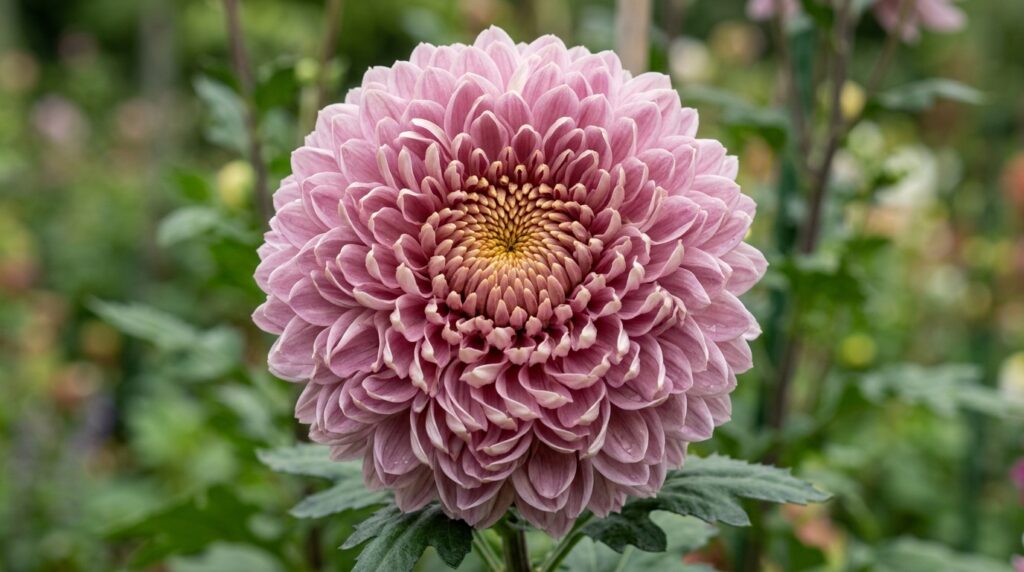
Chrysanthemum
The backbone of fall garden displays across the country, chrysanthemums bloom in dense, full clusters and come in almost every color except true blue. In Japan, the flower is deeply tied to the Imperial family and appears on the official Imperial Seal.
China Aster (Callistephus chinensis)
Despite the name, this annual is native to China rather than the American aster family, and it produces long-lasting, daisy-like blooms that are a favorite for cutting gardens. It comes in shades of purple, pink, and white.
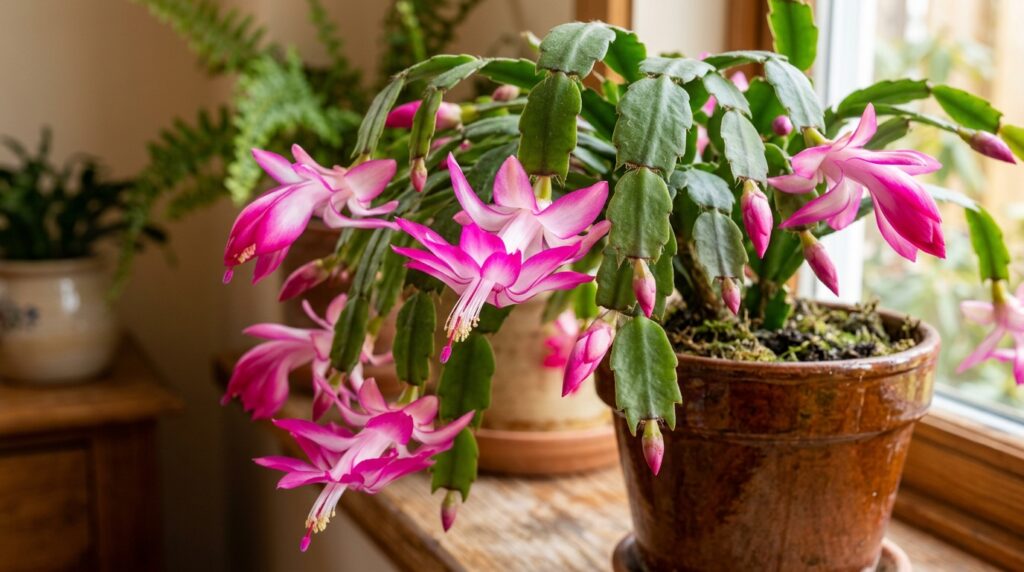
Christmas Cactus
A tropical, jointed-leaf succulent that blooms with bright pink, red, or white flowers right around the winter holidays, hence the name. Unlike desert cacti, it actually prefers indirect light and regular watering during its growing season.
Checkered Lily (Fritillaria meleagris)
A true spring bulb with a distinctive checkerboard pattern on its drooping, bell-shaped petals, usually in deep purple or white. It naturalizes well in damp meadows and is one of the more unusual bulbs you can add to a spring border.

Flowers That Start With CAR
For anyone searching for flowers that start with car, the answer is almost always carnation, but a few close relatives share the root and deserve a mention.
Carnation
The most recognized flower in this group, prized for its ruffled petals, spicy clove-like fragrance, and remarkably long vase life compared to most cut flowers. It is also the national flower of Spain and the state flower of Ohio.

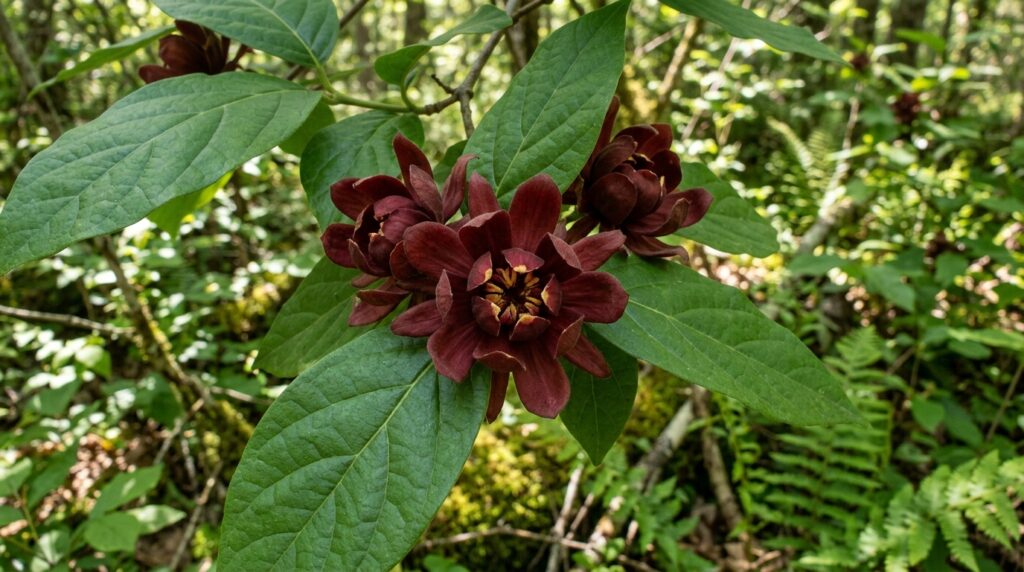
Carolina Allspice (Calycanthus floridus)
A native flowering shrub with deep maroon, strap-petaled blooms that give off a fruity, spicy scent often compared to strawberries or bananas. It thrives in partial shade and is a good choice for a native pollinator garden.
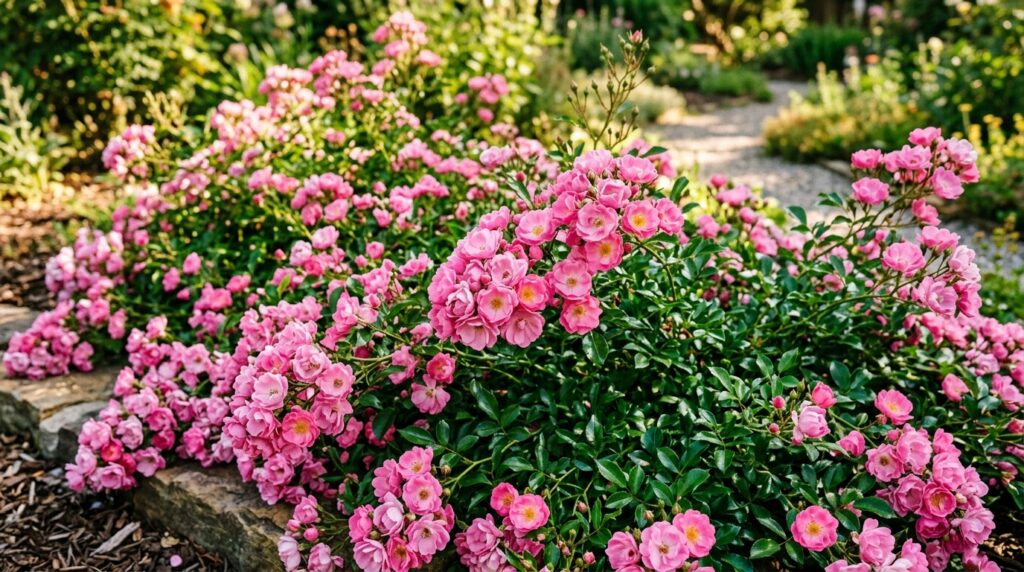
Carpet Rose
An informal name for low, spreading groundcover rose varieties that spill over slopes and retaining walls in a continuous carpet of small blooms. They are bred to be extremely disease-resistant, which makes them far lower maintenance than traditional hybrid tea roses.
Getting Your Hands Dirty: How I Actually Grow These
A big complaint I had with other blog posts on this topic is that they list 50 flowers and give zero real advice. So here is what actually works in my yard, based on trial and error over several growing seasons.
- Start with soil, not seeds. Before I plant anything, I check what my soil actually needs. If you have never tested your soil, my guide on how to dose fertilizer for plants walks through exactly how much to use so you are not guessing.
- Group by water needs. I keep my drought-tolerant plants like coneflower and cornflower together, away from thirstier plants like calla lily and clematis. This alone cut my watering time in half.
- Protect pollinators, not just plants. Many of these C flowers, especially cosmos, coneflower, and cornflower, attract bees and butterflies. If hummingbirds are also visiting your yard, take a look at my post on how to keep bees away from hummingbird feeders, since bees and hummingbirds competing for the same feeder is a more common problem than people expect.
- Succulent-adjacent care habits carry over. If you already grow succulents, some of those same low-water instincts apply well to coneflower and cornflower. My complete beginner guide to planting succulents covers drainage tips that also helped me stop overwatering my crocus bulbs.
Expert Tips for Growing Flowers That Start With C
- Deadhead regularly. Cosmos, celosia, and chrysanthemum all reward you with more blooms the more you cut spent flowers off.
- Watch your USDA hardiness zone. Camellia and canna lily are less cold-hardy than columbine or crocus, so check your zone before committing to a permanent spot in the ground.
- Mind the toxicity list. Calla lily, cyclamen, and even columbine can be harmful to pets or people if ingested in quantity, so plant them where curious pets and small children cannot easily reach.
- Layer your bloom times. Crocus opens in late winter, columbine and cornflower take over in spring, cosmos and coneflower carry the summer, and chrysanthemum closes out the fall. Plant a mix and you can have a C flower blooming almost year-round.
Pros and Cons of the Most Popular C Flowers
| Flower | Pros | Cons |
|---|---|---|
| Carnation | Long vase life, affordable, huge color range | Can look a bit “grocery store” if not styled well |
| Calla Lily | Elegant, dramatic, great for weddings | Toxic to pets, needs consistent moisture |
| Camellia | Winter blooms, evergreen structure | Slow growing, sensitive to harsh sun and wind |
| Clematis | Stunning vertical color, long bloom season | Needs shaded roots and sturdy support |
| Cosmos | Easy from seed, drought tolerant, pollinator favorite | Can flop over without staking in windy areas |
| Chrysanthemum | Reliable fall color, huge variety | Short bloom window compared to perennials |
| Columbine | Low maintenance, self-seeds, native option | Every part is poisonous if ingested |
| Crocus | Very early bloom, cheap bulbs | Short bloom window, small size |
| Coneflower | Drought-tolerant, attracts birds and pollinators | Can look weedy if not deadheaded |
Frequently Asked Questions
What flower begins with the letter C?
Dozens of flowers begin with C, but the most common ones people mean are carnation, calla lily, camellia, clematis, cosmos, and chrysanthemum. Carnation is usually the most-searched answer because it is so widely sold and recognized.
What kind of lily starts with C?
The calla lily is the flower most people mean, but it is worth knowing that the calla lily is not a true lily at all. As noted earlier, it belongs to the arum family (Araceae), while true lilies belong to the Lilium genus. Another true C-named lily variety is the Checkered Lily, or Fritillaria meleagris.
What is the C flower?
There is no single official “C flower,” but if you had to pick the most iconic and commonly referenced one, it would be the carnation, thanks to its long history, national flower status in Spain, and widespread use in the floral industry worldwide.
What is a rose-like flower that starts with C?
That is the camellia. Its layered, ruffled petals are frequently mistaken for roses, especially in white and deep red varieties, but you can tell them apart by the camellia’s glossy, leathery, evergreen leaves.
What are flowers that start with C with 5 letters?
A few options fit this specific search: Canna (5 letters), Camas (a native wildflower, 5 letters), and Cress (a flowering plant sometimes grown ornamentally, 5 letters) all qualify.
Final Thoughts
Flowers that start with C cover an enormous range, from the tiny spring crocus pushing through snow to the tropical drama of a canna lily in July. My honest advice after growing a good chunk of this list myself: start with cosmos and coneflower if you are a beginner, since both are nearly impossible to kill and reward you fast. Once you get more confident, branch out into clematis and camellia for structure and long-term payoff.
If this guide helped you plan your garden, take a look at my companion post on flowers that start with A for even more inspiration, and let me know in the comments which C flower you end up planting first. I would love to see how your garden turns out.